Annapurna Base Camp Trek - 8 Days

Trekking
4 reviews
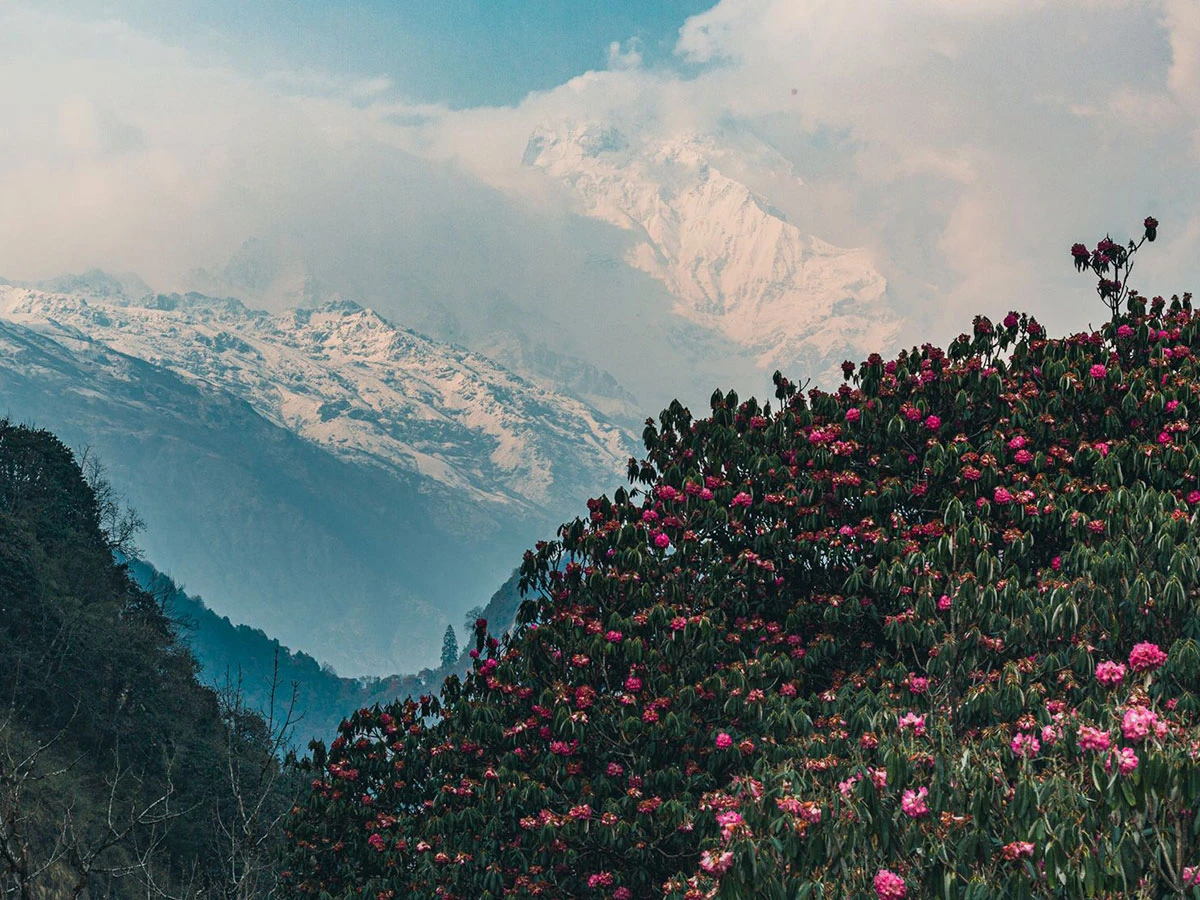
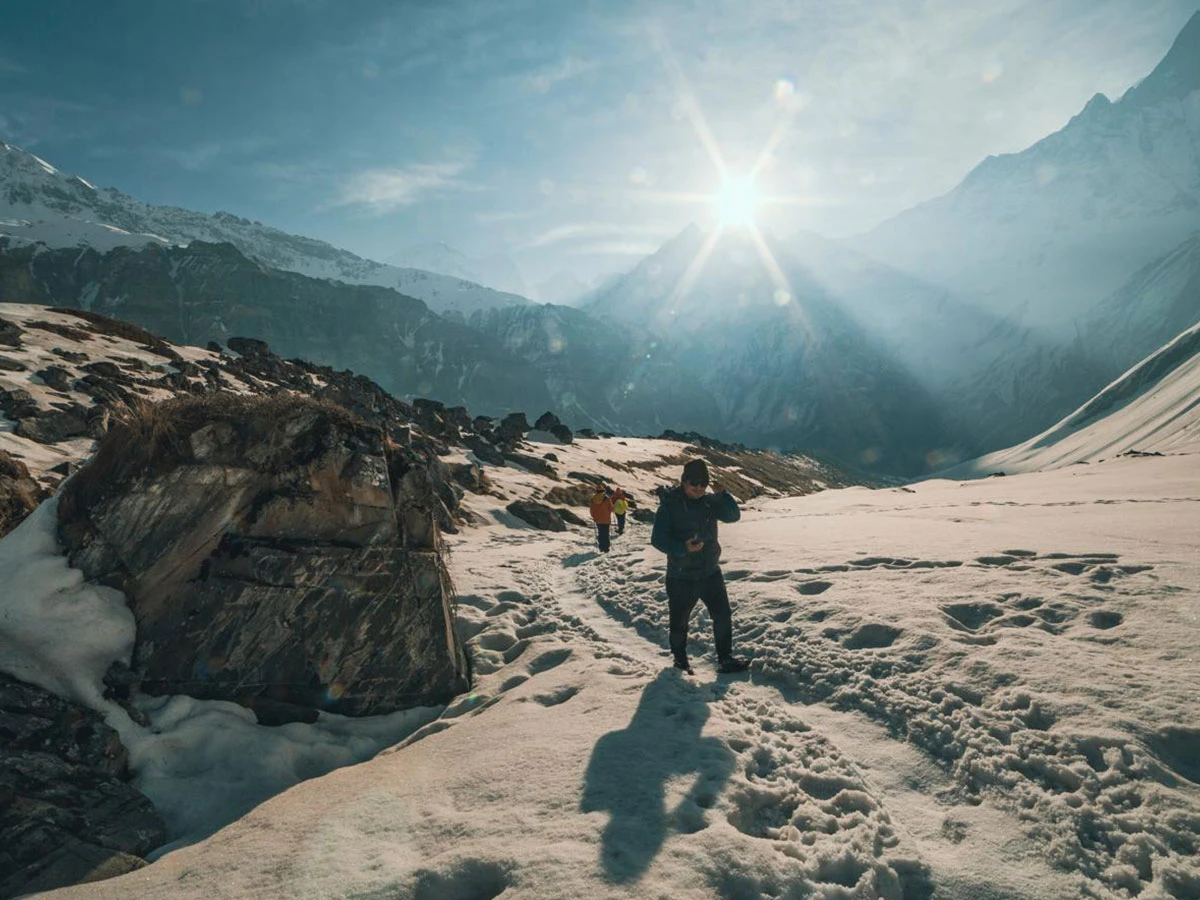
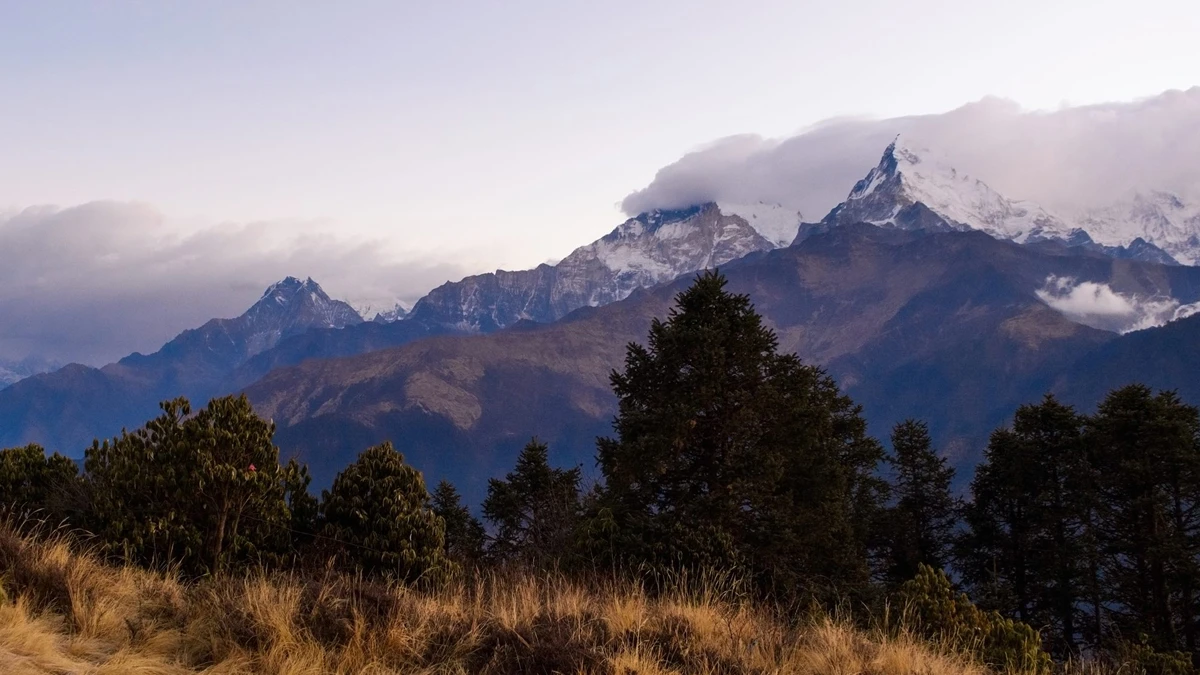
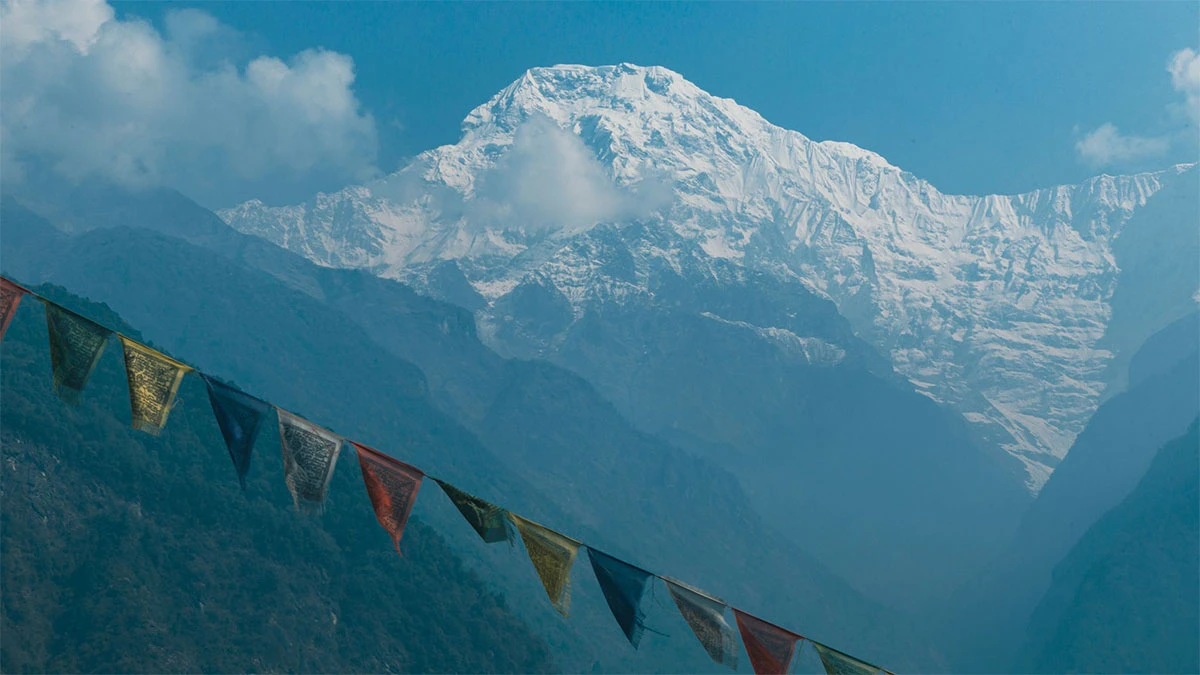
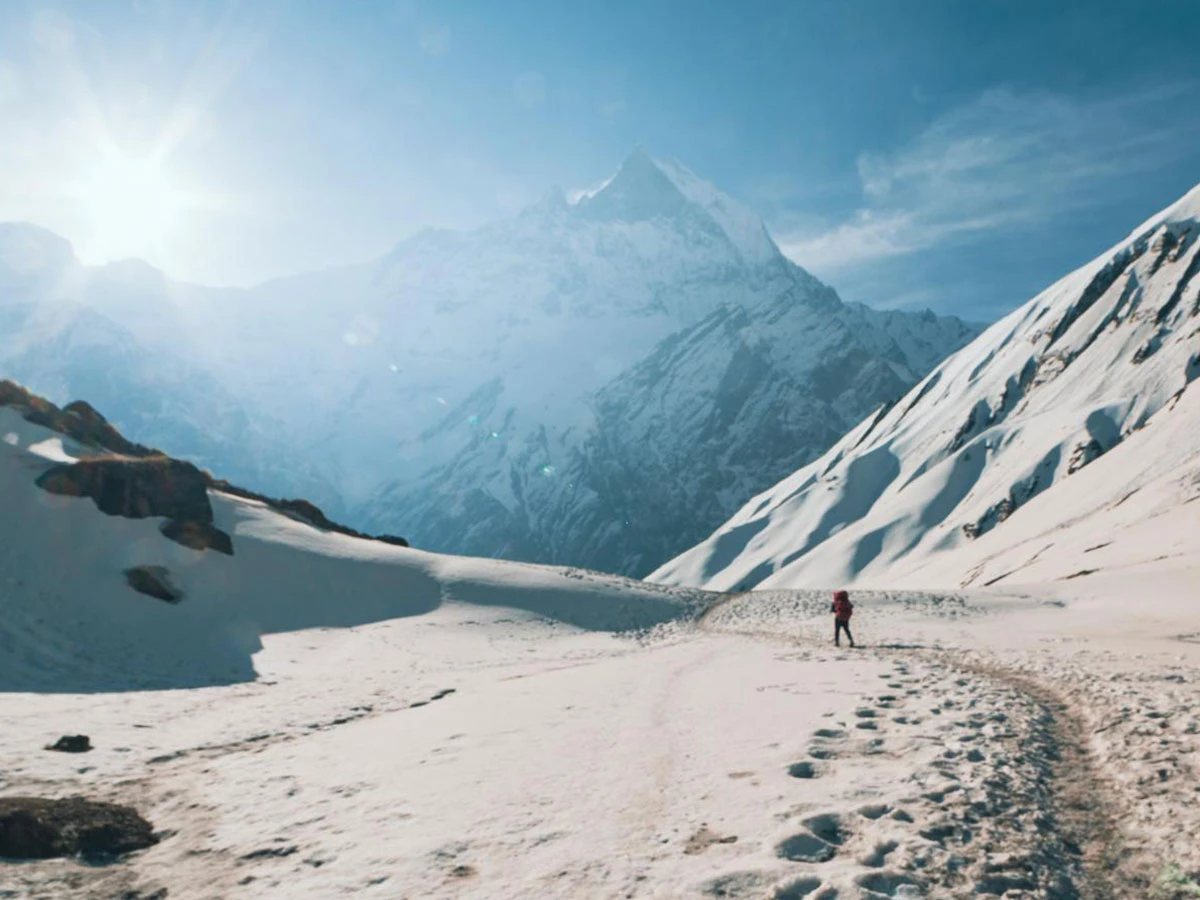
View of Annapurna Base Camp with snow-covered peaks and clear sky during 8 days trek
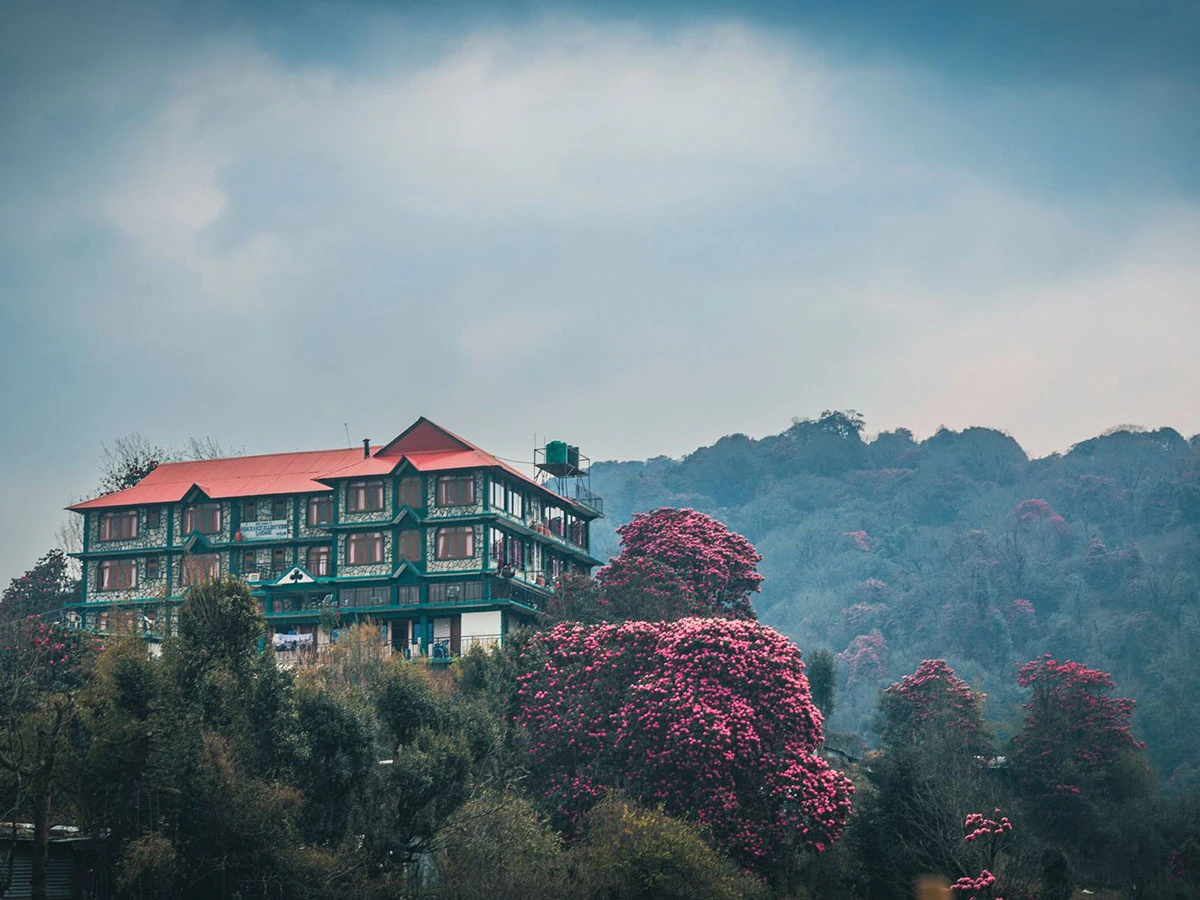
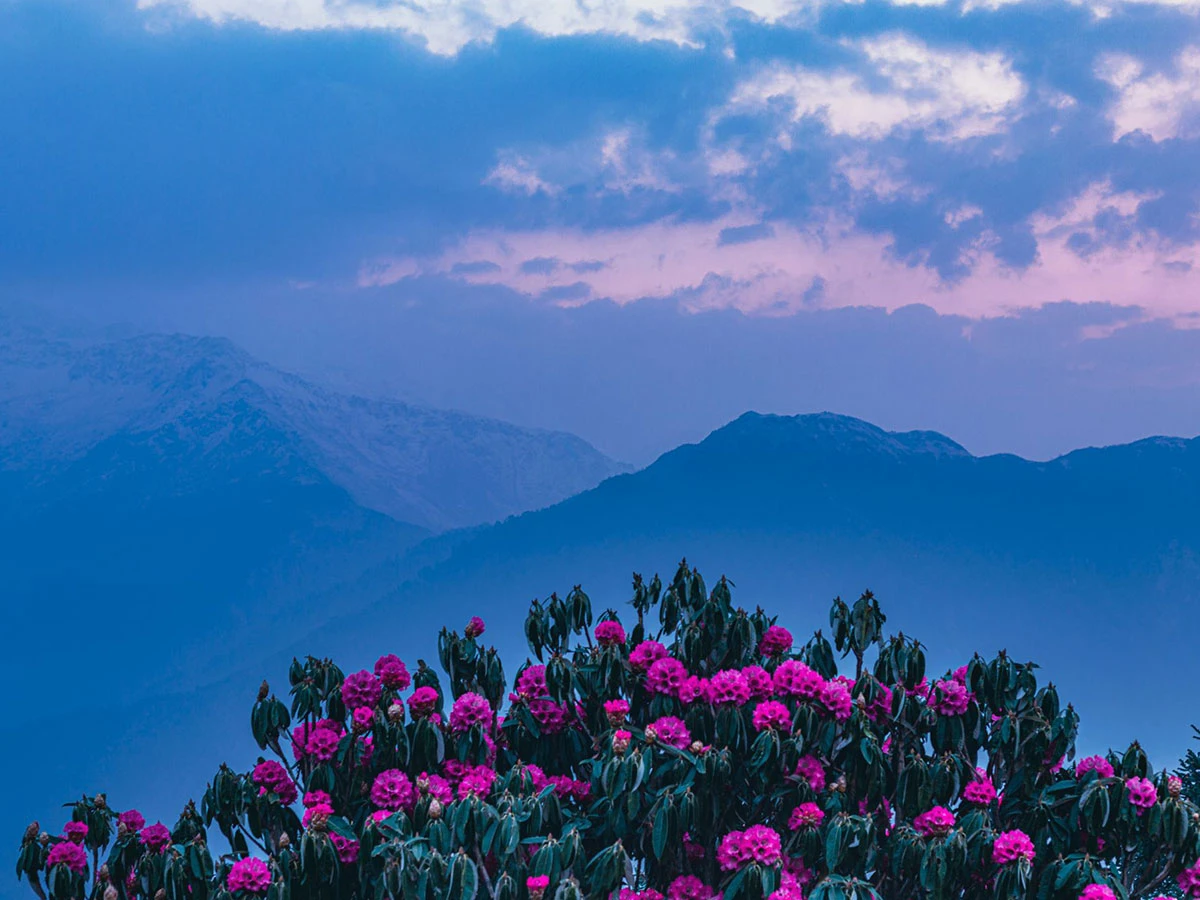
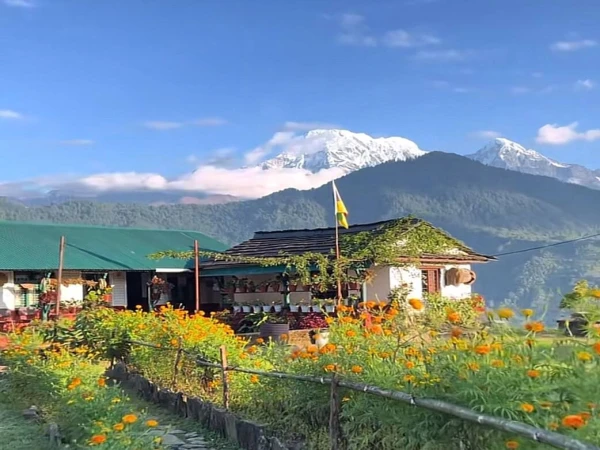
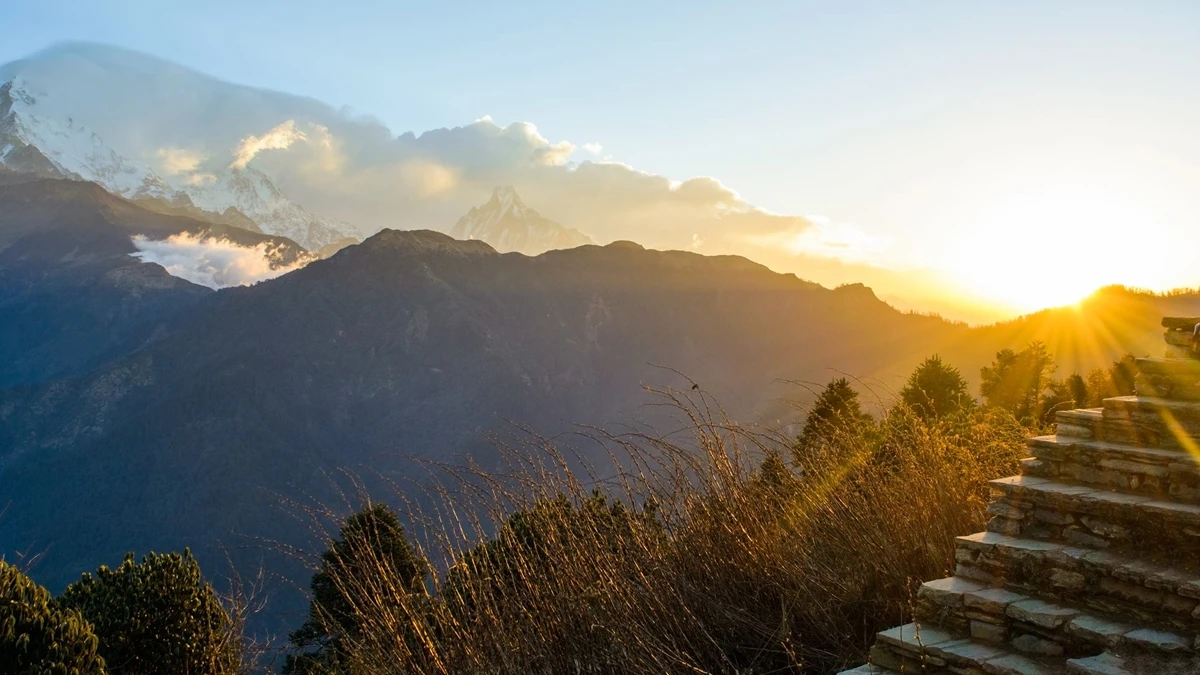
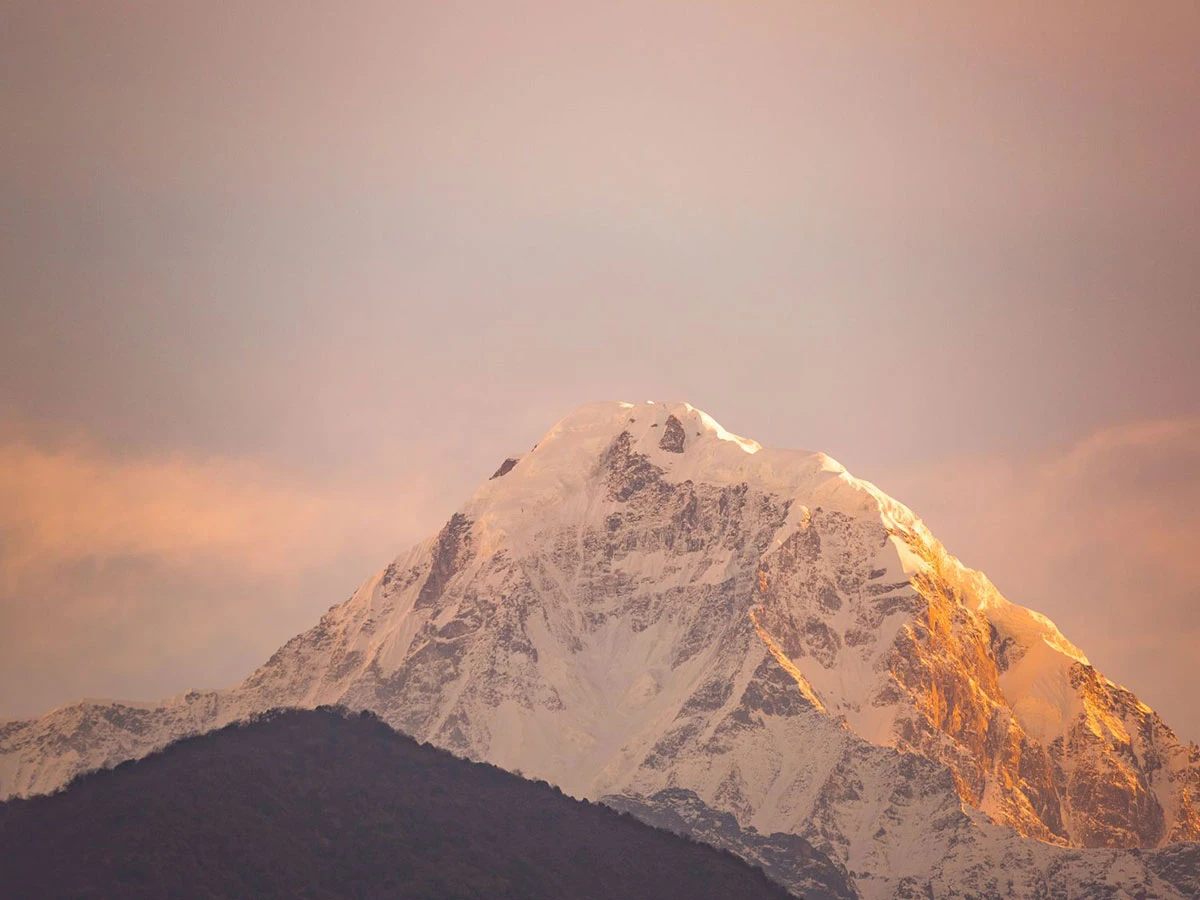
Green hills shining under the morning sun in Annapurna sanctuary on the Annapurna Base Camp Trek
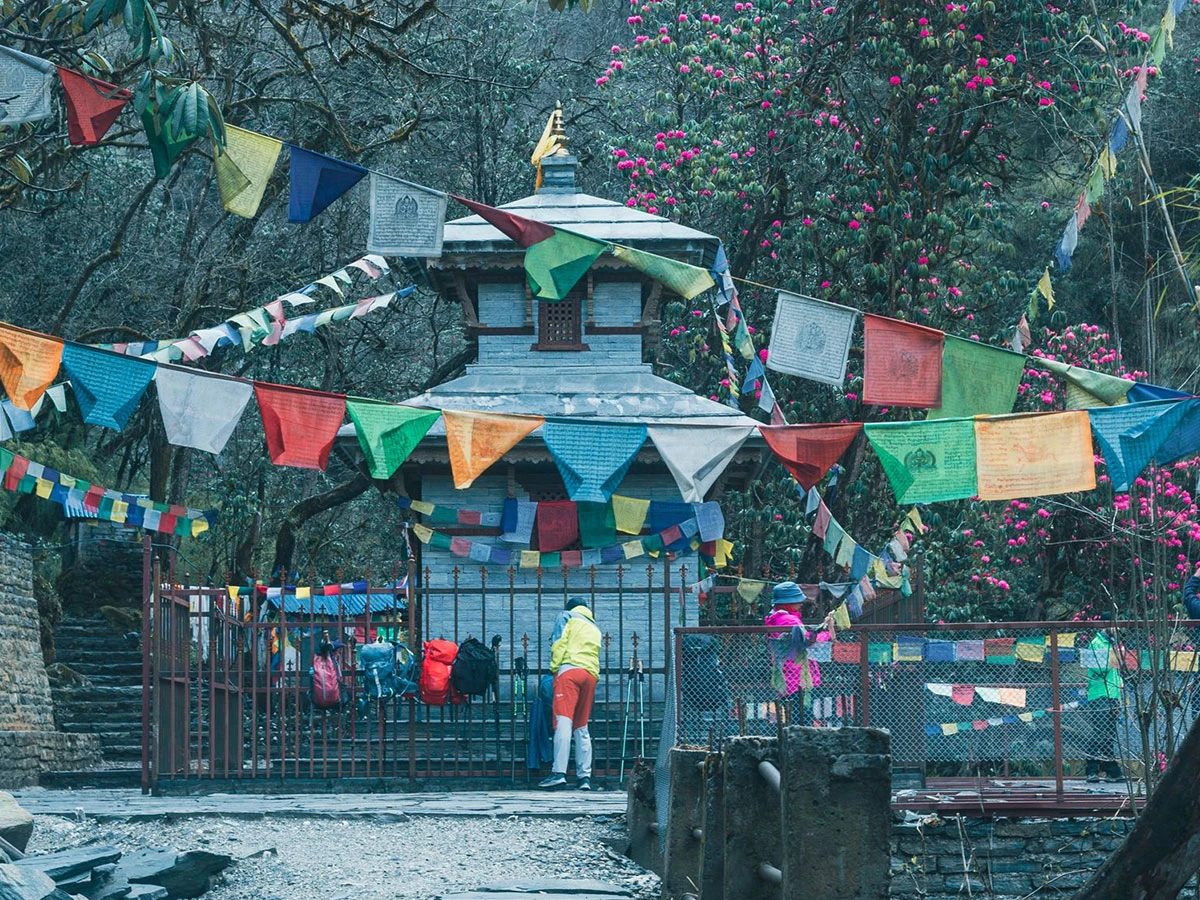
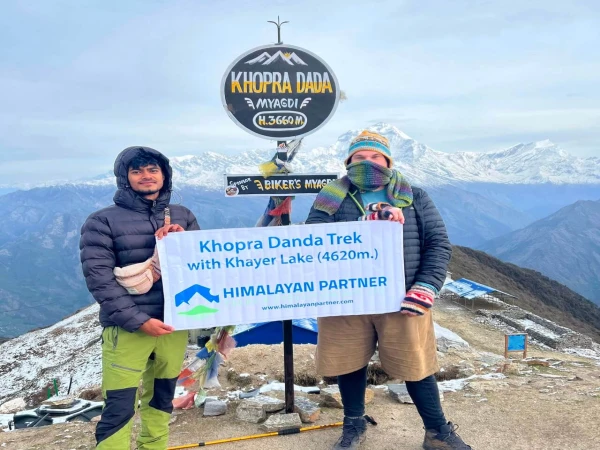
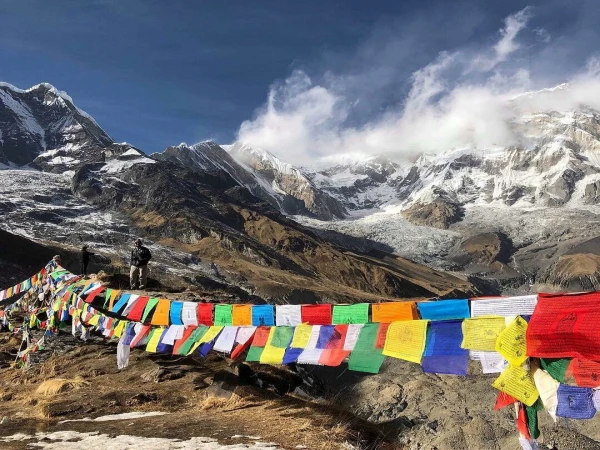
Snow-covered Himalayan peaks with colorful prayer flags at Annapurna Base Camp
Quick Overview
Duration8 Days
Trip GradeModerate
CountryNepal
Maximum Altitude4130 m
Group Size1 to 10
StartsKathmandu
EndsKathmandu
ActivitiesTrekking and Hiking
Best TimeSpring and Autumn

Annapurna Base Camp Trek 8 Days Overview

The first day of the Annapurna Base Camp Trek never feels like you're heading towards one of the world's most famous base camps.

Your journey starts when you leave the busy city of Pokhara behind and slowly dive into the quieter world. The roads become quieter, the air feels fresher, and the small villages appear. The mountains still seem far away, but they're waiting. That's how the Annapurna Base Camp Trek 8 Days begins.

Each day of the ABC trek adds something new. You're following the Modi Khola through quiet forests where it feels calm at every step. Every evening ends in a family-run lodge, where simple meals, warm conversations, and mountain hospitality become part of the journey.

The trail takes you into forests filled with bamboo and rhododendrons, and for a while, all you hear are birds, rivers, and your own footsteps. Then everything changes.

The trees slowly disappear, the valley opens wider, and the mountains that once looked distant now stand right in front of you. Annapurna South, Hiunchuli, Machhapuchhre, and finally, Annapurna Base Camp itself, at 4,130 meters. This is the magical moment. But don’t just wait for the destination and live your journey to the fullest.

If you're looking for ashort trek in Nepal that feels complete, this Annapurna Base Camp Trek in Nepal offers exactly that. Mountain scenery, local culture, comfortable tea houses, and a journey that unfolds naturally. By the end, you'll reach the heart of the Himalayas. But more importantly, you'll experience it.

Annapurna Base Camp Trek Highlights

  • Reach Annapurna Base Camp at 4,130 meters. 
  • Walk into the heart of the Annapurna Sanctuary.
  • Watch Machhapuchhre (Fishtail) appear a little closer.  
  • Cross suspension bridges above the Modi Khola.
  • Pass traditional Gurung villages where life is slow.
  • Walk through rhododendron and bamboo forests.
  • Wake up to crisp mountain mornings and Himalayan sunrises.
  • Experience Nepal's most iconic trek in just 8 unforgettable days.

What to Expect on the Annapurna Base Camp Trek 

Every trek doesn’t suit every traveller, and that's okay. The Annapurna Base Camp Trek 8 Days is for people who enjoy the journey just as much as the destination. If you're wondering whether this trek matches your travel style, here's a quick way to find out.

ABC trek is a great fit if you:

  • Want to experience the Himalayas but don't have two or three extra weeks.
  • Enjoy walking for 5 to 7 hours a day at a comfortable pace.
  • Prefer mountain trails, quiet villages, and nature over crowded tourist spots.
  • Want to stay in welcoming tea houses instead of camping.
  • If you're looking for your first Himalayan trek that's challenging, but doesn't require technical climbing.
  • Love waking up to mountain views, sharing stories over a warm meal, and ending each day with a sense of achievement.
  • Want a guided trekking experience where permits, logistics, and local support are taken care of.

ABC trek may not be the best choice if you:

  • You're looking for a luxury holiday with premium hotels and easy road access.
  • You don't enjoy walking for several hours each day or climbing long sections of stone steps.
  • You expect stable mountain weather every day. In the Himalayas, conditions can change quickly, and flexibility is part of the adventure.

The truth is, you don't need to be the fastest trekker or have years of hiking experience. But having a reasonable level of fitness, an open mind, and curiosity to keep walking around the next corner is enough. The mountains will take care of the rest.

Why does the Annapurna Base Camp trek 8 days feels different? 

Some treks are all about reaching the destination. This one is different, it shows you different scenery and views every single day. 

You Don't See Everything on Day One

This is probably the best part because the mountains don't try to impress you immediately. They slowly appear as you climb higher. One morning, it's green hills, the next day it's Machhapuchhre peeking through the trees, and suddenly you're walking inside the Annapurna Sanctuary, surrounded by peaks in every direction. You earned every view.

Eight Days Feels Complete

Some people get worried thinking the itinerary might feel rushed. But it doesn't. The trail has a natural rhythm. Walk, rest, eat, and repeat. By the time you reach Annapurna Base Camp, it feels like you've been living in the mountains for much longer than a week.

The Trail Never Gets Boring

Some treks feel repetitive after a few days. But not this one. ABC trek brings variety. You'll cross rivers in the morning, climb stone staircases after lunch, walk through bamboo forests, then finish the day in a quiet mountain village. The scenery keeps changing, so that your attention never drifts.

The Best Memories Usually Aren't at Base Camp

Ask someone who finished the Annapurna Base Camp trek what they remember most. They might answer the locals who poured them another cup of tea, the quiet morning in Chhomrong, the clouds lifting to reveal Machhapuchhre or the laugh they shared with strangers around the dining table. Yes, the Base Camp is incredible. But the trail gives you thousands of moments before you even get there.

It Challenges You Without Feeling Impossible

Yes, there are long climbs during the trek, and your legs will notice the stone steps. But you don't need climbing experience. You just need decent fitness, steady pacing, and the willingness to keep walking. That's why so many first-time trekkers choose the Annapurna Base Camp Trek 8 Days as their first Himalayan adventure.

What to Expect on the Annapurna Base Camp Trek

No two days on this trail feel the same. That's what keeps the journey interesting. It begins quietly in small villages, terraced fields, and with the sound of the Modi Khola. The trail doesn't rush you into the mountains. But it lets you settle in first.

As the days pass, the landscape changes almost without you noticing. The forest path becomes narrower, the air feels cooler, and the mountains, which felt far away once, feel really close now. 

There will be many stone steps. Some days your legs will remind you how many you've climbed. 

Tea houses become part of your daily routine. You arrive in the afternoon, leave your backpack, order something warm, and watch trekkers from around the world share stories from the trail. It's simple, comfortable, and enough.

As you get closer to Annapurna Base Camp, mornings become colder, and the scenery becomes quieter. The trees slowly disappear, and the valley opens up. Every step feels like it's leading somewhere special.

Then you arrive at your destination. There are no crowds or loud celebrations. You’ll just see mountains in every direction. This moment is hard to put into words.
Annapurna Base Camp Trek - 8 Days Itinerary

This 8-day Annapurna Base Camp trek offers a safe, steady climb through clear trails and cozy teahouses, with stunning Annapurna views—perfect for an unforgettable Himalayan adventure in 2025 or 2026.

Book with Himalayan Partner Treks and Expedition, a trusted trekking agency known for safety and warm hospitality. Enjoy quality service and create lasting memories in the Annapurna region.

We also provide customized Annapurna Base Camp itineraries based on your needs and preferences—just let us know!

Trip PlanExpand all

We start our journey with a drive from Kathmandu to Pokhara, which takes about 6 to 7 hours. Along the way, you'll see beautiful green hills, terraced fields, and charming villages. People work in the fields, children walk to school, and life goes on in these rural areas. The buses are comfortable, with spacious seats, air conditioning, and Wi-Fi. Pokhara is known as the "tourist capital of Nepal," offering many places to visit and adventurous activities. We'll visit Phewa Lake and nearby spots, enjoying the lively evening atmosphere around the lake.

  • Distance: Approximately 200 km / 124 miles
Max Altitude: 1,400 m / 4,593 ft Meals: Breakfast, Lunch, DinnerAccommodation: Hotel

After breakfast, we drive to Ghandruk, a well-known Gurung village famous for its stunning mountain views. After lunch in Ghandruk, we start our trek by descending through forests, crossing the Kimrong River, and then climbing uphill to reach Kimrong village. Today's trek takes about 4 to 5 hours. We'll rest, have dinner, and get a good night's sleep to prepare for a longer trek tomorrow.

  • Distance: Drive: Approximately 55 km / 34 miles; Trek: Approximately 8 km / 5 miles
Max Altitude: Ghandruk: 1,940 m, Kimrong: 1,900 m / 6,234 ft Meals: Breakfast, Lunch, DinnerAccommodation: Tea House

We begin by climbing uphill through forests and open areas to reach Chhomrong, a village at 2,170 meters (7,119 ft). Then, we descend stone steps, cross a long suspension bridge, and hike uphill to Sinuwa. The trail continues through a bamboo forest until we reach Deurali. Today's trek lasts about 6 to 7 hours.

  • Distance: Approximately 15 km / 9.3 miles
Max Altitude: 3,230 m / 10,597 ft Meals: Breakfast, Lunch, DinnerAccommodation: Lodge / Tea House

The trail from Deurali to Annapurna Base Camp is scenic. It takes about 4 to 5 hours of steady ascent to reach the base camp. Along the way, we pass through Machhapuchhre Base Camp, where we'll stop for lunch.

  • Distance: Approximately 7.7 km / 4.7 miles
Max Altitude: 4,130 m / 13,550 ft Meals: Breakfast, Lunch, DinnerAccommodation: Lodge / Tea House

After enjoying the morning views of the mountains, we start our descent to Sinuwa, following the same route as before. We pass through Deurali, then hike on a winding trail through the forest and climb steeply uphill to Khuldi Ghar. After a couple of hours, we finally reach Sinuwa, where we'll spend the night.

  • Distance: Approximately 15 km / 9.3 miles
Max Altitude: 2,340 m / 7,677 ft Meals: Breakfast, Lunch, DinnerAccommodation: Tea House

Today, we hike mostly downhill from Sinuwa to Jhinu Dada. We cross a 300-meter-long suspension bridge over a deep gorge and climb stone steps to reach Chhomrong. From there, we take a different path, descending to Jhinu Dada. A popular natural hot spring awaits us, where we can relax. Afterward, we continue walking for a short time to reach Jhinu Dada for rest.

  • Distance: Approximately 6.5 km / 4 miles
Max Altitude: 1,780 m / 5,839 ft Meals: Breakfast, Lunch, DinnerAccommodation: Lodge

After breakfast, we trek through farmland and terraced landscapes to reach Nayapul. From there, we drive back to Pokhara by jeep, following a road alongside the Modi River. After about a three-hour ride, we arrive in Pokhara and enjoy our time there.

  • Distance: Trek: Approximately 10 km / 6.2 miles; Drive: Approximately 45 km / 28 miles
Max Altitude: 822 m / 2,697 ft Meals: Breakfast, Lunch, DinnerAccommodation: Hotel

We drive back to Kathmandu, retracing the road we took earlier. After a 6 to 7-hour journey, we arrive in Kathmandu. You can freshen up and enjoy the lively nightlife in Thamel. If you're tired from the trek, you can relax in your hotel room.

  • Distance: Approximately 200 km / 124 miles
Max Altitude: 1,400 m / 4,593 ft Meals: Breakfast, Lunch, DinnerAccommodation: Hotel
Couldn't find what you're after?Reach out to our travel experts.
Customize Trip

Cost Details

Includes

  • Luggage storage facilities during the treks.
  • Two Night 3 star Hotel  in Pokhara with Breakfast.
  • Entry permits for Annapurna Conservation Area.
  • Private car transferTo/from Pokahara to Treking End/Start Point.
  • TIMS permits (Trekker’s  Information Management System).
  • One Professional Trekking Guide, his all necessary insurance, meals and allowances.
  • 3 meals per day and overnight accommodation in Hotel/lodge along the trekking trail.
  • Tourist Bus Ticket from Kathmandu-Pokara-Kathmandu.
  • Himalayan Partner Treks  Company T- Shirt.
  • All Tourist Tax.
  • Himalayan Partner Treks Sleeping Bag, Down Jacket (refundable).
  • Himalayan Partner Treks duffel bag for your trekking stuff.
  • One porter for two people.
  • Farewell Dinner with Tour Operator.

Excludes

  • International airfare and Nepal visa fees.
  • Extra Night hotel In Pokhara.
  • Your Travel / medical insurance .
  • Personal expenses such as telephone calls, alcoholic beverages, donation etc...
  • Tips for guides and porters.

Dates & Availability

We offer guaranteed departures for our 8 Days Annapurna Base Camp Package 2026/27. You can join our scheduled departures or request private trips tailored to your preferred dates. Early booking is recommended to secure flights, accommodations, and permits, especially during peak seasons.

For private trips, custom departure dates or any specific requirements, feel free to contact us directly, and we’ll be happy to organize the trek according to your schedule and preferences.

Essential Information

How to Reach the Starting Point of the Annapurna Base Camp Trek

The Annapurna Base Camp trek from Pokhara usually begins with a short drive to the trailhead. Most trekkers go to Nayapul or Ghandruk as the ABC trek starting point.

From Pokhara, you can take a local bus, tourist bus, or private jeep. The Nayapul to Ghandruk jeep is popular because it saves time and avoids long walks on the road. Local buses are cheaper but slower and less comfortable.

The roads are mostly hilly and can be rough, especially during the monsoon. The jeep ride offers scenic views and reaches higher points directly. Most treks start walking from Nayapul in the morning, while Ghandruk gives you a higher starting point and shorter walking distance on the first day.

Choosing the right transport depends on your budget, comfort preference, and how much walking you want on the first day.

Annapurna Base Camp Trek Route Overview

Every trek has a story. This one starts in Pokhara. After breakfast, you’ll leave the city behind and drive towards the trailhead of ABC. The road winds through green hills, small villages, and rivers. 

The first few days on the trail feel gentle. You'll pass terraced fields, cross long suspension bridges, and walk through Gurung villages. Tea houses appear just when you're ready for a break.

Then the trail slowly changes. The forests become thicker with bamboo and rhododendron trees. The sound of the Modi Khola never feels far away. Some sections are easy, but others make you work a little harder. Especially the stone steps.

As you reach places like Bamboo, Dovan, and Deurali, the mountains begin to take over the view. The trees become fewer, and the air feels cooler. Every turn seems to reveal another snowy peak.

Then comes Machhapuchhre Base Camp. This looks stunning. Most trekkers stop here for a while because the scenery suddenly feels different, bigger, and quieter. Now, you know you're close.

A few more hours on the trail, and you’ll arrive at Annapurna Base Camp (4,130 m). This is the moment you waited for so long. You can see all the towering peaks around you. Annapurna I, Machhapuchhre, Annapurna South, Hiunchuli.

The way back follows the same route. But it doesn't feel the same. You notice things you missed on the way up. It’s funny how the same trail can feel completely different. Maybe that's why so many trekkers say the journey back is just as memorable as the climb to base camp.

Is the Annapurna Base Camp Trek Difficult?

This is one of the first questions people ask before booking. The honest answer is, Annapurna Base Camp Trek difficulty depends more on your preparation than on your trekking experience.

The Annapurna Base Camp Trek 8 Days isn't a technical climb. You won't need ropes, climbing gear, or previous mountaineering experience. But it does require good stamina. You'll walk 5 to 7 hours most days, climb plenty of stone stairs, and gain altitude gradually as you move deeper into the Annapurna region.

What makes the trek challenging?

  • Long walking days rather than steep mountain climbing.
  • Thousands of stone steps, especially around Chhomrong.
  • Cold mornings and evenings at higher elevations.
  • Thin air near Annapurna Base Camp (4,130 m), where some trekkers may feel the effects of altitude.

The good news is that the trail is well established, with tea houses along the way, giving you plenty of opportunities to rest, eat, and stay hydrated.

Is it suitable for beginners?

Yes, many people complete the Annapurna Base Camp Beginner Trek. If you enjoy walking, stay reasonably active, and prepare a little before your trip, this ABC Trek Nepal can be an excellent first Himalayan trek.

A few weeks of regular walking, climbing stairs, or light cardio before your journey will make a noticeable difference. More importantly, don't rush on the trail. Walk at your own pace because the mountains aren't going anywhere.

Best Time for the Annapurna Base Camp Trek

The ABC trail is open throughout the year, but every season feels different. The best time depends on the kind of experience you're looking for.

Spring (March to May)

Everything feels alive during Spring. Rhododendron forests burst into red and pink colour. The weather is generally stable, and the mountains often stay visible for most of the day. It's one of the busiest seasons. If you enjoy flowers, comfortable temperatures, and vibrant landscapes, spring is hard to beat.

Autumn (September to November)

Ask many local guides their favourite season, and most will mention autumn. This season comes with clear weather after the monsoon rain. Skies are usually clear, and mountain views stretch for miles. Days are pleasant for walking, while nights become cooler as you gain altitude. This is the most popular time for the Annapurna Base Camp Trek in Nepal.

Off-season 

Winter and monsoon are considered off-season for trekking in Nepal. During winter, the mornings are colder, and snow can cover the higher sections. Only recommended for experienced trekkers. 

Monsoon season makes the lower trails muddy, and clouds often hide the mountain views. On the other hand, the forests become incredibly green, waterfalls are at their fullest, and you'll share the trail with far fewer people. But this season is not recommended. 

Food and Accommodation During the Annapurna Base Camp Trek

Life on the ABC trail is simple. Don't expect luxury hotels. Expect welcoming tea houses, warm meals, and a comfortable place to rest after a full day of walking.

Tea House Accommodation on ABC trek

Most nights are spent in locally owned tea houses. Rooms are simple but comfortable, usually with twin beds, blankets, and pillows. Higher on the trail, facilities become more basic, but the hospitality never changes.

You'll often spend the evening in a shared dining room, where trekkers gather around the heater, exchange stories, and plan the next day's walk.

Food on the ABC trek trails

The mountain food is hearty and filling. You'll find a mixture of local and international dishes, including:

  • Dal Bhat: It is Nepal's traditional meal and a favourite among trekkers.
  • Fried rice and noodles.
  • Momos (Nepali dumplings).
  • Soups, pasta, pancakes, eggs, and potatoes.
  • Tea, coffee, hot lemon, and ginger honey drinks.

The menu becomes simpler as you climb higher, but every meal is freshly prepared. And after walking for hours, even a basic plate of dal bhat tastes better than expected.

Good to Know

  • Vegetarian meals are widely available.
  • Vegan and other dietary requirements can usually be arranged with advance notice.
  • Hot showers, charging facilities, and Wi-Fi are available in many tea houses, though they may cost a small extra fee at higher elevations.
  • Carry a reusable water bottle. Safe drinking water is available along the trail, and it helps reduce plastic waste in the mountains.

The food isn't fancy, and the rooms aren't luxurious. But after a long day in the Himalayas, you'll realise you don't need much more. A warm meal, a comfortable bed, and the mountains waiting outside are often enough.

Permits for the Annapurna Base Camp Trek

Before heading to the mountains, there's a little paperwork. To trek to Annapurna Base Camp, you'll need the required  Annapurna Conservation Area Permit (ACAP). 

These help protect the region, support trail maintenance, and preserve the local environment and communities. You'll need to carry your permits throughout the trek, as they're checked at several checkpoints along the route.

If you book our Annapurna Base Camp Trek package, we will arrange everything before the trek begins. That means less time dealing with paperwork and more time looking forward to the journey.

How to Prepare for the Annapurna Base Camp Trek

You don't have to be a marathon runner or a fitness trainer for the ABC trek, but a little preparation makes a big difference.

A few weeks before your trek, try walking regularly, climbing stairs, or doing light cardio. It helps your body to adjust to long walking days and makes the journey far more enjoyable.

Before you leave, make sure you pack the essentials like comfortable trekking boots that you've already worn, warm layers for cold mornings and evenings, Sunscreen, sunglasses, a good daypack, and all other stuff you need. 

If you want a proper packing list, then you can check our package “packing list while trekking in Nepal

Why Trek With Himalayan Partner?

A great trek isn't only about the destination. It's also about the people who guide you there.

At Himalayan Partner, we believe the best trekking experiences are built on local knowledge, honest advice, and genuine care. Our guides know this trail beyond the map. They understand the changing weather, the pace that helps you enjoy the journey, and the small details that make a big difference along the way.

From arranging permits and transportation to choosing comfortable tea houses, every part of the journey is planned with your comfort and safety in mind. We keep our approach simple, with clear communication, experienced local guides, transparent pricing, and support whenever you need it.

The mountains will leave a lasting impression. And our job is to make sure your experience getting there is just as memorable.

Annapurna Base Camp Trek - 8 Days FAQs

The Annapurna Base Camp 8 Days trek is moderately challenging. It’s perfect for beginners with good fitness levels. The trail includes steady ascents, stone steps, and forest paths. Proper acclimatization and pacing make it doable even for first-timers trekking in Nepal.

On average, trekkers walk 8 to 12 kilometers (5 to 7 miles) per day during the Annapurna Base Camp 8 Days itinerary. The walking hours usually range from 4 to 7 hours daily, depending on the terrain and elevation gain.

No prior trekking experience is required for Annapurna Base Camp Trek. It’s suitable for fit trekkers with basic preparation. Hiring a guide makes it easier for beginners to navigate and adjust to Annapurna Base Camp elevation.

Yes, you need two permits: Annapurna Conservation Area Permit (ACAP) and Trekkers' Information Management System (TIMS) card. These permits help fund conservation efforts and provide safety information.

Helicopter rescue is available in case of emergencies during the Annapurna Base Camp Trek. Having travel insurance covering high-altitude trekking in Nepal is crucial for covering the cost of evacuation.

Temperatures at Annapurna Base Camp elevation can drop to -10°C (14°F) at night, especially in winter months. Daytime temperatures range from 5°C to 15°C (41°F to 59°F). Proper trekking gear is essential to stay warm.


Yes, the Annapurna Base Camp Trek is considered safe for solo female trekkers. Choosing reputable trekking agencies, hiring a guide, and staying in established tea houses ensures safety and a comfortable experience.

 No, they refer to the same trek. The Annapurna Sanctuary Trek is another name for the Annapurna Base Camp Trek because the base camp lies within a natural amphitheater known as the Annapurna Sanctuary.

ATMs are available in some starting and ending points, but it's advisable to carry enough cash to cover your expenses during the trek, as not all teahouses accept cards.

Stunning views of the Annapurna and Machapuchare (Fishtail) mountains.

Rich cultural experiences with visits to charming villages.

Relaxing in natural hot springs at Jhinu Danda.

Immersion in lush rhododendron forests and terraced farmlands.