Mardi Himal Trek - 7 Days

Trekking
Mardi Himal Trek 9 Days
Mardi Himal Trek - 9 Days
Quick Overview
Duration9 Days
Trip GradeEasy
CountryNepal
Maximum Altitude4500 meters.
Group Size1 to 15
StartsKathmandu
EndsPokhara or Kathmandu
ActivitiesTrekking and Hiking
Best Timespring and Autumn

Highlights of Mardi Himal Trek

  • Start from Kathmandu, drive to Pokhara, and from there the trek begins.
  • Trails of Mardi Himal are quiet. It is not crowded like the Everest and Annapurna regions.
  • Forests are full of rhododendrons, birds everywhere, waterfalls sometimes arise, and it feels peaceful to walk.
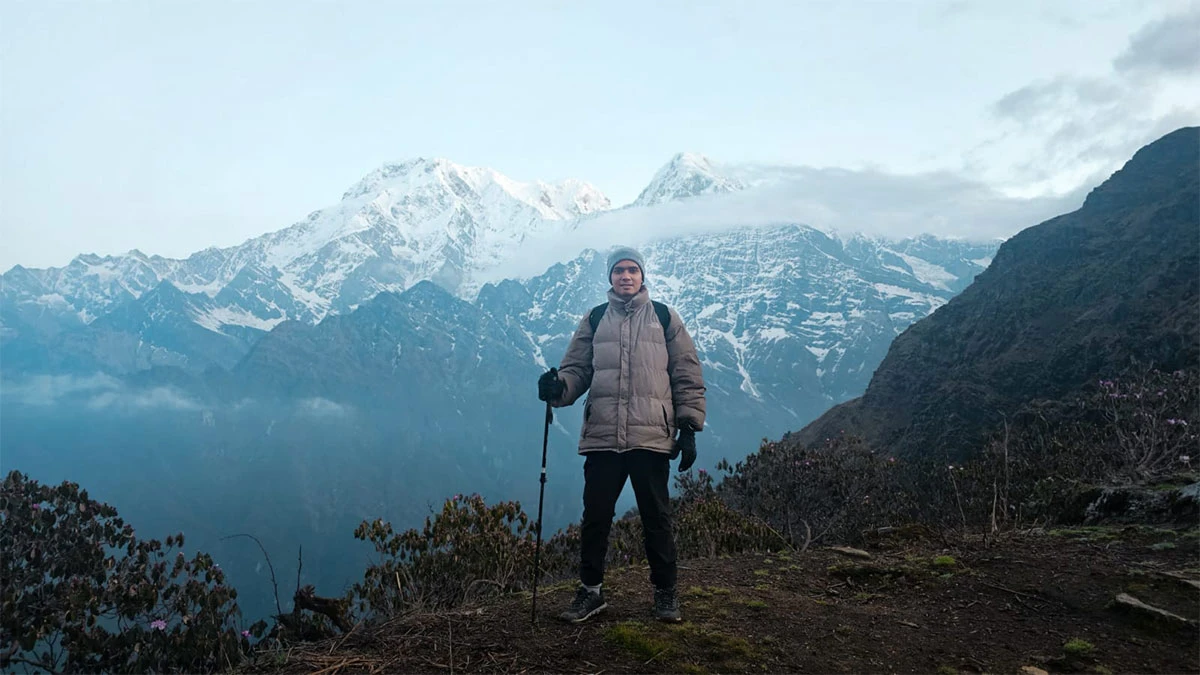
  • Machhapuchhre, Mardi Himal, Hiunchuli, Annapurna South, and Dhaulagiri show them off, and they look stunning.
  • Sunrise at Mardi Himal Base Camp looks so beautiful that it feels worth waking up at 4 a.m.
  • Villages like Dhampus, Forest Camp, Low Camp, and High Camp are along the way
  • Flowers, trees, and maybe a stray Himalayan bird check you out.
  • Discover the people's lifestyles, culture, and traditions by visiting the settlement of Siding.
  • Cameras are out in every corner because everything is picture-worthy.

Overview of Mardi Himal Trek

The Mardi Himal Trek is a hidden gem inside the Annapurna region. This trek is not too long and not too crowded. There are just mountains, fresh air, and your own pace. You’ll complete this 7-day trek by walking, sweating a little, laughing a little, and stopping too often just to stare.

You start in Pokhara and take a drive to Kande. And then the trail begins. The first day is easy. There are a few streams, small villages, birds chirping, and mountain views from afar.  The next couple of days, it gets real. Rhododendron forests are everywhere, colors pop, and the trail twists and turns. Sometimes it’s quiet, other times, you bump into trekkers from everywhere around the world. Everyone’s tired but happy. 

Then comes Low Camp and High Camp. You feel a little tired here, but the views are totally worth it. Mist in the morning, sunlight hits the trees. Clouds are below your feet, and you feel tiny but in a good way. And then you go to Mardi Himal Base Camp for sunrise. Machhapuchhre, Mardi Himal, Hiunchuli, and Annapurna South peaks surround you. Your jaw drops looking at the beautiful. 

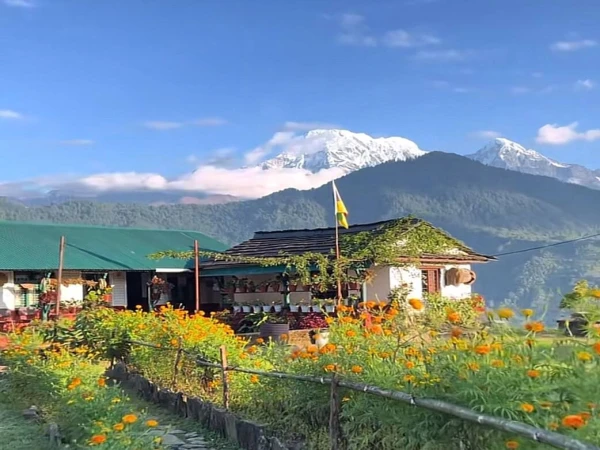
You’ll walk through beautiful villages along the way, like Dhampus, Forest Camp, and Low Camp. People wave, smile, and sometimes offer a cup of tea. Simple life but has a big heart. This trek isn’t about speed. It’s about the moments. The mornings when the sun hits the peaks. The nights around a small fire. The forests, the streams, the colors. You’ll stay here for seven magical days, and you’ll love it. 

How Are The Views on Mardi Himal Trek Route?

The views on the Mardi Himal Trek hit you from the very first step. You’ll start walking, and there’s Machhapuchhre (Fishtail) teasing you in the distance. Then Hiunchuli, Mardi Himal, Annapurna South, and Dhaulagiri. Peaks are everywhere around you. They make you stop and stare.

The mornings give the real magic. Sunrise at Mardi Himal Base Camp looks magical. Valleys look orange, pink, and misty. Cold air hits, but you don’t care. Legs ache, but your eyes are busy. Every peak seems bigger than the day before.

Sometimes the forest blocks the mountains. Then suddenly it opens up. Rhododendrons frame the peaks. streams sparkle in the sunlight. Villages pop up in the distance with mountains rising behind them. Every step feels like a surprise.

Even cloudy days can be epic. Peaks peek through fog, sunlight slips in patches, snow caps shine, and there may be a rainbow. And as you get closer to High Camp and Base Camp, the mountains feel huge, and you feel tiny. 

Honestly, the Mardi Himal trek is all about the views. Sunrise, sunset, mountains, forests, villages, and every other thing. Nepal just shows off every glance that makes you want to pause, snap a photo, or just breathe.

Who is this Mardi Himal Trek Suitable For?

The Mardi Himal trek is suitable for almost everyone. Here's a breakdown of who would find this trek enjoyable:

  • Nature Lovers: If you love nature, this is your place. Mountains, forests, streams, and rhododendrons are all over. You can stop, look, and breathe. 
  • Moderate trekkers: It’s good for moderate trekkers. This trek is not too easy and not too hard. Legs will ache sometimes, but you’ll survive. Beginners can do it if they’re ready to walk 4-6 hours a day.
  • Quiet Trails: If you like quiet trails, you can try this trek because it is not crowded like Everest or Annapurna. Some days, you feel like the mountains are all yours.
  • Photographers: Every turn and every step is picture-perfect. Sunrise at Mardi Himal Base Camp looks dreamy.
  • Families or small groups: Seven days is enough to see the Himalayan peaks, meet locals, enjoy nature, and not rush.
  • Solo travelers: You’ll be fine because you’ll meet other trekkers. Share snacks, share stories, and laugh a little.
  • Adventure seekers: If you love walking, mountains, and adventure that’s not extreme, then this trek is for you.

Mardi Himal Trek Cost 

The Cost of Mardi Himal depends on many factors. It depends on the comfort you choose and the season you go. 

  • Flights/Transport: Road transportation is cheaper, and flights are expensive but faster.
  • Permits: ACAP TIMS required. It is not expensive.
  • Tea houses: Basic rooms cost less than the mid-range or private rooms. In peak season, even basic rooms cost more.
  • Food & drinks: Prices climb higher because everything is carried by porters/mules.
  • Guide & porter: It adds extra cost, but it is worth it for your safety and convenience.

Approx cost for 7 days:

  • Budget: $400-$600
  • Standard (guide & porter): $600-$900
Mardi Himal Trek - 7 Days Itinerary

Trip PlanExpand all
  • Driving Distance: ~200 km, 6-7 hours

The trip begins with a long drive from Kathmandu to Pokhara. Roads twist through hills, rivers follow you almost the whole way. Your journey is sometimes smooth, sometimes a little bumpy. But the views are stunning. Small towns, green terraces, roadside tea shops. After a few hours of travel, Pokhara finally appears. Pokhara is a calm city, you can walk near Fewa Lake, grab dinner, and relax. Tomorrow the trek begins.

Max Altitude: Pokhara (822 m) Meals: Lunch and DinnerAccommodation: Hotel
  • Driving Distance: ~27 km, 1-1.5 hours
  • Walking Distance: ~6 km, 4-5 hours

Take a short drive from Pokhara to Kande after breakfast. The real walking starts here from  Kande. The trail climbs slowly through forests and tiny villages. Rhododendron trees are everywhere. In spring, they explode with colors like red, pink, and sometimes white. You walk, rest, and walk again. After a few hours, Pritam Deurali appears. It is a quiet place with simple tea houses, fresh air, and mountain silence.

Max Altitude: Pritam Deurali (2,100 m) Meals: Breakfast, Lunch & DinnerAccommodation: Tea House
  • Walking Distance: ~7 km, 5-6 hours

Today, the trail dives deeper into the forest. Tall trees are above you, and birds are somewhere in the branches. The path is peaceful; it almost feels meditative. There are not many villages on the trail. There is just forest, stones, and mountain air. Eventually, you reach Forest Camp. There is a small settlement hidden between trees. This is a perfect stop after a long walk.

Max Altitude: Forest Camp (2,520 m) Meals: Breakfast, Lunch & DinnerAccommodation: Tea House
  • Walking Distance: ~6 km, 4-5 hours

The climb continues today by slowly gaining altitude. The forest begins to open here and there. And suddenly, the mountains show themselves. Machhapuchhre appears first. It looks sharp and beautiful. This looks so pretty, it's hard to ignore. The trail keeps winding upward until you reach Low Camp. Now the views start getting serious.

Max Altitude: Low Camp (2,970 m) Meals: Breakfast, Lunch & DinnerAccommodation: Tea House
  • Walking Distance: ~5 km
  • Trekking Time: 4-5 hours

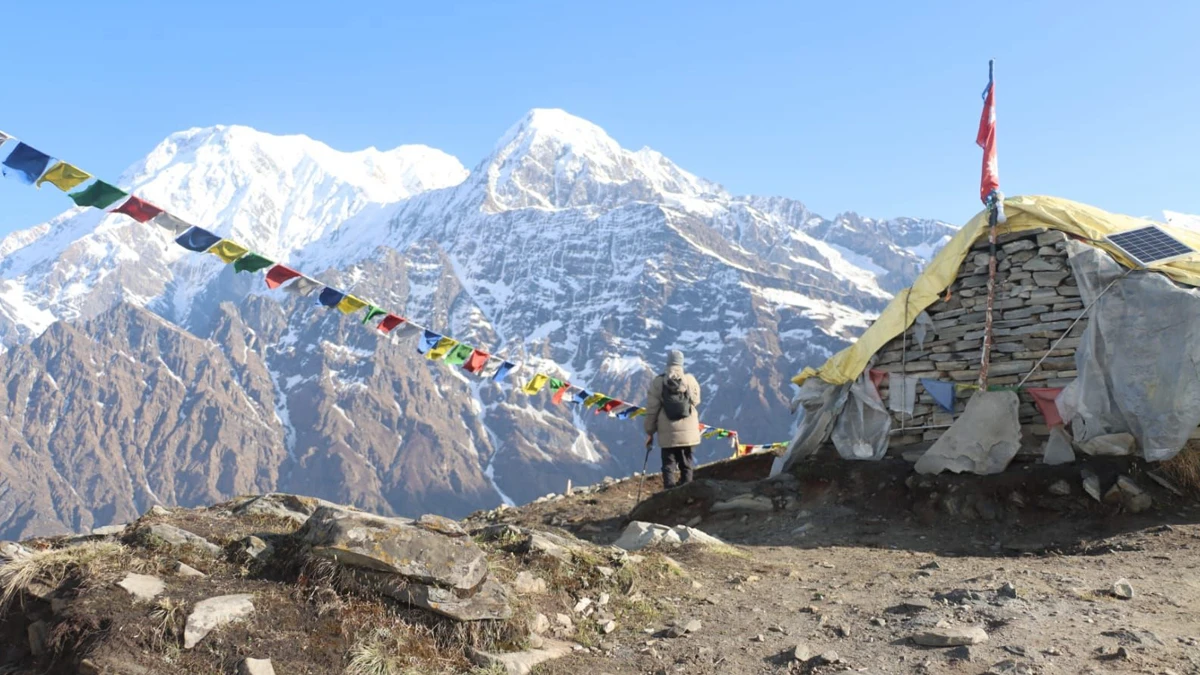
The landscape changes today. As trees get smaller, the terrain feels more alpine. You’ll see open sky and big views. Walking gets a little tougher, the air gets thinner, and the legs are working harder. But the reward of beautiful mountains like Machhapuchhre, Annapurna South, and Hiunchuli all stand tall around you. From High Camp, the scenery is incredible, especially during sunset.

Max Altitude: High Camp (3,580 m) Meals: Breakfast, Lunch & DinnerAccommodation: Tea House
  • Max Altitude: Mardi Himal Base Camp (4,500 m)
  • Ending Altitude: Low Camp (2,970 m)
  • Walking Distance: ~12 km,  7-8 hours

Today, you need to wake up early around 4 a.m. You’ll take a hike to Mardi Himal Base Camp, which is the highlight. The trail climbs along a narrow ridge, and the wind is sometimes strong. But the views are mind-blowing. As the sun rises, the peaks glow gold. Mardi Himal, Machhapuchhre, and Annapurna South look massive, silent, and unforgettable. After spending some time there, you trek back down to Low Camp for the night.

Meals: Breakfast, Lunch & DinnerAccommodation: Tea House
  • Trekking Distance: ~6 km, 3-4 hours
  • Driving Distance: ~25 km, 2 hours

This is the last day on the trail. The path drops through forests toward Siding Village. It is a quiet place with traditional houses, farm fields, and mountain life moves slowly. From Siding, you’ll take a jeep that takes you back to Pokhara. The trek ends here. But honestly, the mountains stay in your head long after.

Max Altitude: Pokhara (822 m) Meals: Breakfast & Lunch
Couldn't find what you're after?Reach out to our travel experts.
Customize Trip

Cost Details

Includes

Transportation

  • Airport pick-up and drop-off in Kathmandu
  • Tourist bus transport between Kathmandu and Pokhara

Permits & Documentation

  • Annapurna Conservation Area Permit (ACAP)
  • TIMS Card (Trekkers’ Information Management System)

Guide & Porter

  • Experienced and English-speaking trekking guide
  • One porter for every two trekkers
  • Guide and porter salary, food, accommodation, and insurance

Accommodation

  • Tea house accommodation during the trek

Meals

  • Three meals a day during the trek (Breakfast, Lunch, Dinner)
  • Support & Safety
  • A basic first aid kit carried by the guide

Excludes

  • Nepal visa fees.
  • Your travel / medical insurance and emergency evacuation cost .
  • Personal expenses such as telephone calls, alcoholic beverages, donation etc...
  • Tips for guides and porters.

Dates & Availability

Select Departure Dates
Mar 2026
Apr 2026
May 2026
Jun 2026
Departure Date
Status
Price
Departure Date
Starts: 22 Mar, 2026Ends: 30 Mar, 2026
Status
Guaranteed
Price
US$480US$769
Save US$289
Departure Date
Starts: 24 Mar, 2026Ends: 01 Apr, 2026
Status
Guaranteed
Price
US$480US$769
Save US$289
Departure Date
Starts: 26 Mar, 2026Ends: 03 Apr, 2026
Status
Guaranteed
Price
US$480US$769
Save US$289
Departure Date
Starts: 28 Mar, 2026Ends: 05 Apr, 2026
Status
Guaranteed
Price
US$480US$769
Save US$289

Essential Information

Best Time for Mardi Himal Trek

The best time for the Mardi Himal Trek is in the autumn and Spring. You’ll love the weather conditions of these months. Let us tell you in detail: 

  • Autumn (Sep-Nov):  Autumn brings clear skies. Mountains like Machhapuchhre and Annapurna pop up in the trail. Their views look amazingly beautiful. Trails get busy during this season. You’ll see lots of trekkers, but the vibe is amazing.
  • Spring (Mar-May): Spring in Mardi Himal looks beautiful. Forests burst with rhododendrons in red and pink, everywhere. Birds chirp, and flowers are all around. The weather conditions are nice and warm. Crowds are smaller, and this feels peaceful.
  • Winter (Dec-Feb): Winter in Mardi Himal comes with cold mornings and crisp air. Snow sometimes dusts peaks, and almost there are no trekkers. This place is quiet, with an untouched vibe. Nights are super freezing, so you need to bring warm clothes.
  • Monsoon (Jun-Aug): Monsoon season brings rain. Trails are slippery, and clouds hide the mountains. There might also be leeches in the trail. This season is not ideal unless you like wet jungle adventure.

Mardi Himal Trek Difficulty

Mardi Himal is a moderate trek. This trek is not super easy nor is it super tough. For this trek, 5-7 days is enough for most people. The trails start easy, then they get steep near Base Camp. It is a heart-pumping section, but it is doable. Good fitness helps a lot. Beginners with some trekking experience can manage the trek easily. If it's your first time, your legs will burn on steep climbs, but bringing trekking poles helps a lot. You need to walk 5-7 hours per day. Some days are shorter, some feel longer. If you can walk well, you’re good to go. 

The highest point of Mardi Himal Base Camp is at about 4,500 m. At this height, oxygen is lower, breathing feels heavier, and walking becomes slower. So, some trekkers may feel high altitude symptoms like headache or fatigue, but if you walk slowly and hydrate yourself well, nothing scares.

Permits Required during Mardi Himal Trek 

For the Mardi Himal trek, you’ll need some special permits. There are two main permits you need, and you cannot skip. You need to carry them and keep the copies too. 

  • ACAP (Annapurna Conservation Area Permit): This is a mandatory permit. This permit helps to protect the Annapurna area.
  • TIMS Card (Trekkers’ Information Management System): It is a small card that is for your safety while trekking in Nepal.

Food and Accommodation During the Mardi Himal Trek

Mardi Himal Trek provides you with filling and nutritious food. Nepalese classic Dal Bhat is everywhere. You can also get foods like noodles, soups, momos, eggs, etc. Prices go up as you climb higher. A meal that’s cheap in the lower region might double near Base Camp. Carry energy bars or chocolate because they are a lifesaver during long trekking days. Also, don’t forget to try local snacks from teahouses.

During the Mardi Himal Trek, there are tea houses all along the trail. You’ll never sleep under a tree unless you want to. Rooms are basic and clean enough. You’ll get hot showers only in bigger stops. Don’t expect luxury. Nights can get cold, so a sleeping bag is a lifesaver.

Packing List For Mardi Himal Trek

Packing right for the Mardi Himal Trek makes a huge difference. The trail moves from warm forests to cold mountains. So, you need to be prepared with your bag. 

Clothing

  • Down jacket or warm insulated jacket
  • Fleece or warm mid-layer
  • Moisture-wicking base layers
  • Waterproof jacket or raincoat
  • Trekking pants
  • Thermal innerwear
  • Warm socks (3-4 pairs)
  • Gloves
  • Wool hat 
  • Sun hat or cap

 Footwear

  • Good quality trekking boots
  • Lightweight sandals or camp shoes

Trekking Gear

  • Backpack
  • Sleeping bag
  • Trekking poles (optional)
  • Headlamp or flashlight

Personal Essentials

  • Water bottle or hydration bladder
  • Sunscreen
  • Lip balm
  • Sunglasses

Health & Safety

  • Basic first aid kit
  • Personal medications
  • Blister treatment or bandages

Extras

  • Power bank
  • Charging cables
  • Snacks or energy bars
  • Camera or phone for photos 

Why Should You Trek to Mardi Himal with Himalayan Parner? 

  • Local team: Our guide has real mountain knowledge. They know the trails well, the weather, the villages, the shortcuts, and even the small tea houses, which makes the journey smoother.
  • Experienced guides: Our guides not only guide you from point A to B. They share stories, local culture, and little mountain secrets.
  • Everything is organized by us: Permits, transport, tea house bookings, and every other thing is organized by us before the trek starts. So there is less stress for you and you’ll have more time to enjoy the mountains.
  • Your safety comes first: Altitude is real in the Himalayas. Guides will watch your pace, your health. If something feels off, they know what to do.
  • Well-paced itinerary: We will not make you rush in the mountains. You can take time to walk slowly, take photos, and breathe the mountain air a bit.
  • Authentic Himalayan experience: You’ll meet locals, eat simple mountain food, and sit near a warm stove in the evening. These small moments will stay with you.
  • Support from start to finish: From the moment you arrive in Nepal until the trek ends. We are always there to help.

Mardi Himal Trek - 7 Days FAQs

The Mardi Himal trek is another one of the newly opened trekking regions in Nepal's Annapurna region. This takes you to the base of the great Mardi Himal (5,587m) and the splendid view of Annapurna, Machhapuchhre, and Hiunchuli range. It is not as famous as some of the other famous trails. Thus, you get more seclusion and a true feel of the Himalayas.

Mardi Himal Trek takes, on average, nine days in total if calculating the transportation from Kathmandu to Pokhara and vice versa. Trekking typically takes four to five days to get to the Mardi Himal Base Camp and return to Pokhara.

Based on the above Itinerary, one could access Mardi Himal from Kathmandu in an approximately 45 45-minute' drive to Kande.

The highest point of the Mardi Himal Trek is Mardi Himal Base Camp, about 4500m (14681 ft).

The Mardi Himal Trek is considered a moderate to challenging trek due to its high altitude and steep ascents. However, it suits experienced and novice trekkers with a reasonable fitness level and proper acclimatization.

Yes, you can camp during the Mardi Himal trek. We offer a special Mardi Himal camping trek for those who are interested. Contact us for more information.

The best time to do Mardi Himal Trek is in the early part of the year, from March up to May, and in the later part of the year, from September to November. These times are best for weather and crowd-free visibility of snow-capped mountains without being overly cold or hot.

During the Mardi Himal Trek, your accommodations will be in tea houses or lodges on the trail. These simple but comfortable lodgings provide twin accommodation with an en suite or shared bathroom. Otherwise, you can go on a camping trek where we supply the best camping equipment and quality tents.

There is a range of meals served in the tea houses, especially Nepali foods such as dal bhat, vegetable curries, and momos. They also offer Continental foods such as pasta, pizza, and bread, among other meals. The food served is plain but wholesome and meets the needs of many diets.

Hiring a licensed and experienced guide is advisable and mandatory. A guide offers protection, helps in directing you where to go, shares useful information about the culture and other aspects of the land, and generally makes the trekking experience much better.