Everest Base Camp Trek Cost
The Everest Base Camp Trek cost for a 14-day itinerary usually depends on group size and services. Price varies in many aspects. Our package includes permits, accommodation, meals, Lukla flight, and all the necessary guides and support, and the cost is around USD 1500 per person. A few things that affect it are mainly the number of people in the group, the type of accommodation, the season (spring & autumn are higher), and extra services or upgrades.
Best Time To Do This Trek
The best time to trek to the Everest Base Camp depends on many aspects such as weather, trail condition and personal preferences. Situated in the Khumbu Region in Nepal, Everest Base Camp Trek requires a careful choice of trekking time for an enjoyable and thrilling experience.
Spring and Autumn are the best seasons fortrekking in Nepal. These two seasons offer the best weather with excellent trail conditions, which is why most people prefer to trek during these times of the year.
-
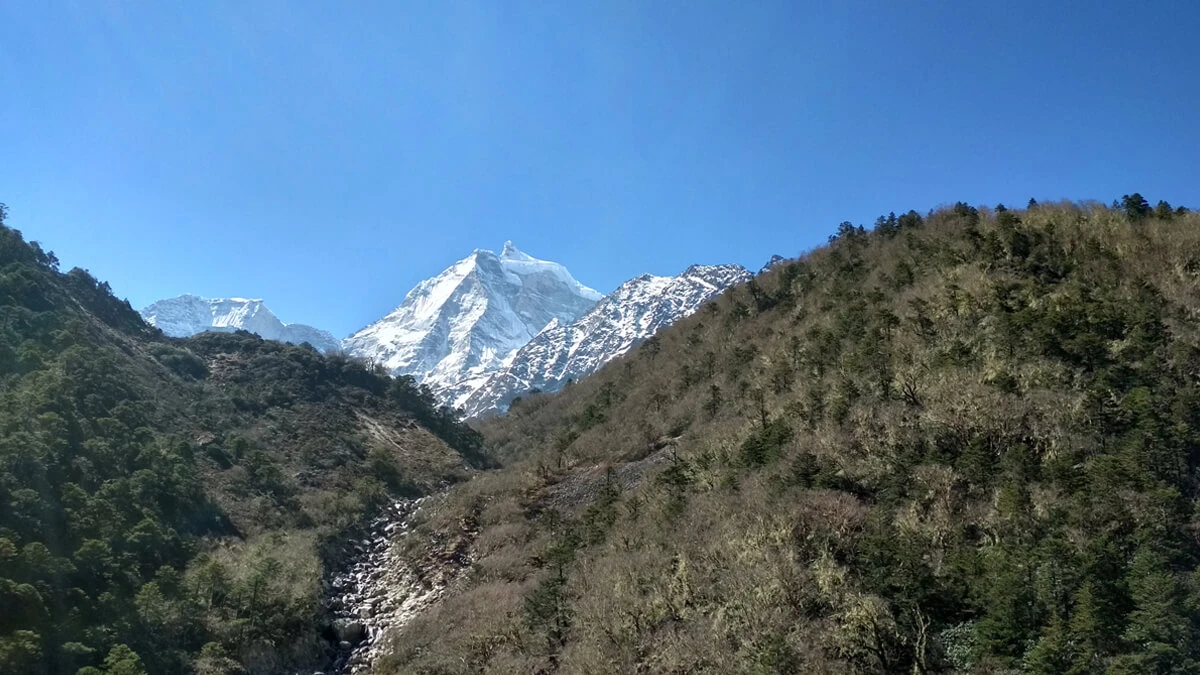
Spring: In Spring, the trail of Khumbu Region is full of beautiful rhododendrons and the green forests, allowing trekkers to have the cinematic views. The sky is clean and clear, that gives the best views of himalayan ranges.The trekking trail is also comortable during his season.
-
Autumn: Another season is greatly recommended for the Everest Base Camp trek. The weather is clear and fresh after monsoon rain, which is perfect for trekking. Autumn has lesser crowds as compared to the spring and this brings about easy accommodation and transport. Rain and snow falls are limited, so travelers move safely through the remote pathways of Khumbu region.
-
EBC Trek During Off Season: Monsoon in everest region brings rain, and the trails can be slick and muddy. Natural disasters like landslides might also occur. Winter brings a heavy snowfall and some way on the trails might get blocked too, but you'll see best view during winter. In spite of such inconveniences, off-season trekking is regarded as an affordable option and the Khumbu region has comparatively less rush.
Foods and Accommodations during Everest Base Camp Trek
Accommodation on Everest Base Camp Trek
The 14 days Everest Base Camp trek package includes accommodation in local tea houses throughout the trek. The tea houses offer basic but comfortable lodging with mattresses, pillows, blankets and sometimes attached bathrooms. Most tea houses have common bathrooms. The rooms will be twin share, with 2 single beds, though single supplement rooms can be arranged at extra cost. The tea houses allow you to really experience the local culture by staying alongside villagers, guides and fellow trekkers. All meals are included during the trek.
If you would like to upgrade to a higher standard of accommodation, with more amenities and privacy, we can arrange lodges along the way according to your preferences and budget. Please let us know if you would like to upgrade at any point and we will be happy to check availability and pricing to make your trek more comfortable.
Foods on Everest Base Camp Trek
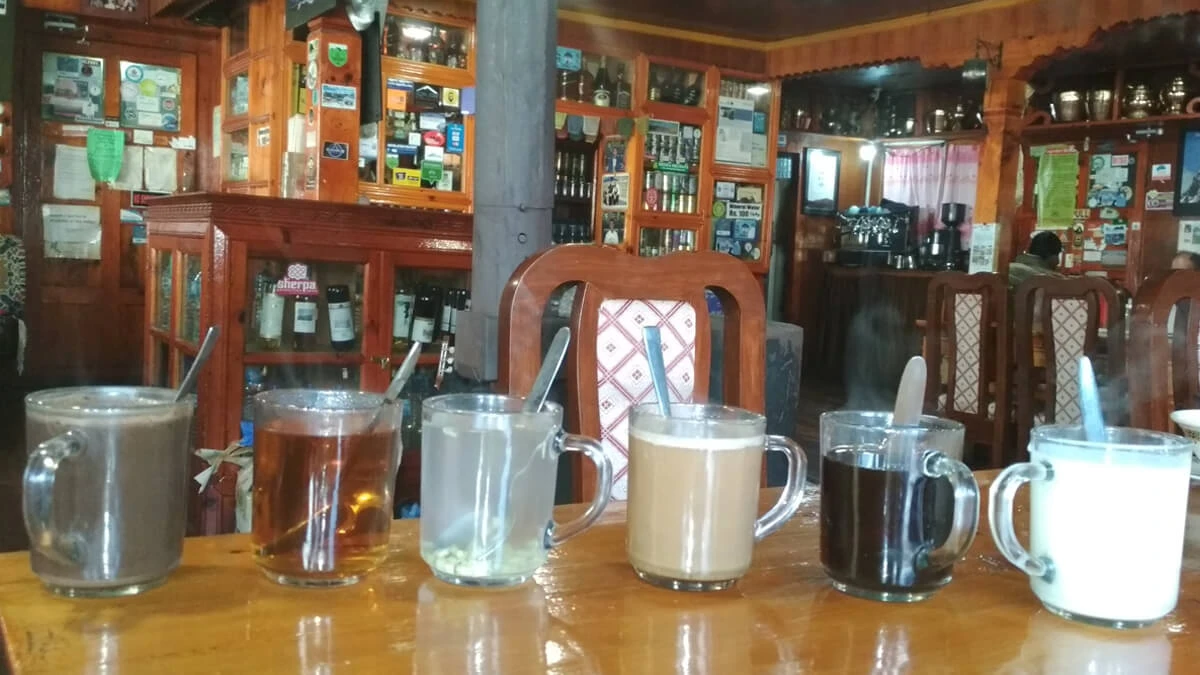
The Everest Base Camp trek package includes three delicious, fresh-cooked meals per day: breakfast, lunch and dinner. All meals are provided at the local tea houses and lodges along the route. The menu is primarily Nepali cuisine along with a variety of multi-cuisine options.
A typical breakfast spread consists of porridge, oatmeal, toast, eggs, pancakes or local items like Tibetan bread. Lunch includes dal bhat (lentil soup, rice, curried vegetables), noodles, momos, sandwiches etc. Hearty dinners consist of curries, pasta, pizza and more. At locations like Lukla and Namche Bazaar, you can also find global dishes like fish and chips, burgers and baked goods.
Boiled drinking water is provided free of cost to refill your reusable bottles. The friendly staff cooks up hot, tasty and hygienic meals to fuel your days of thrilling Himalayan trekking. With 3 meals per day included, you can focus on enjoying the stunning mountain landscapes rather than worrying about food.
Permits During Everest Base Camp Trek
-
Sagarmatha National Park Entry Permit: To trek through Sagarmatha National Park, tourists need a Sagarmatha National Park Entry Permit.
-
Khumbu Pasang Lhamu Rural Municipality Entry Permit: The Khumbu Pasang Lhamu Rural Municipality Permit is a special permit that replaces the TIMS card for this journey.
-
Gaurishankar Conservation Area Entry Permit: This is the alternative permit that is required if trekkers to travel to Lukla via Jiri.
-
All these permits are managed my us. You can walk freely without any tension of paper works.
Everest Base Camp Trek Difficulty
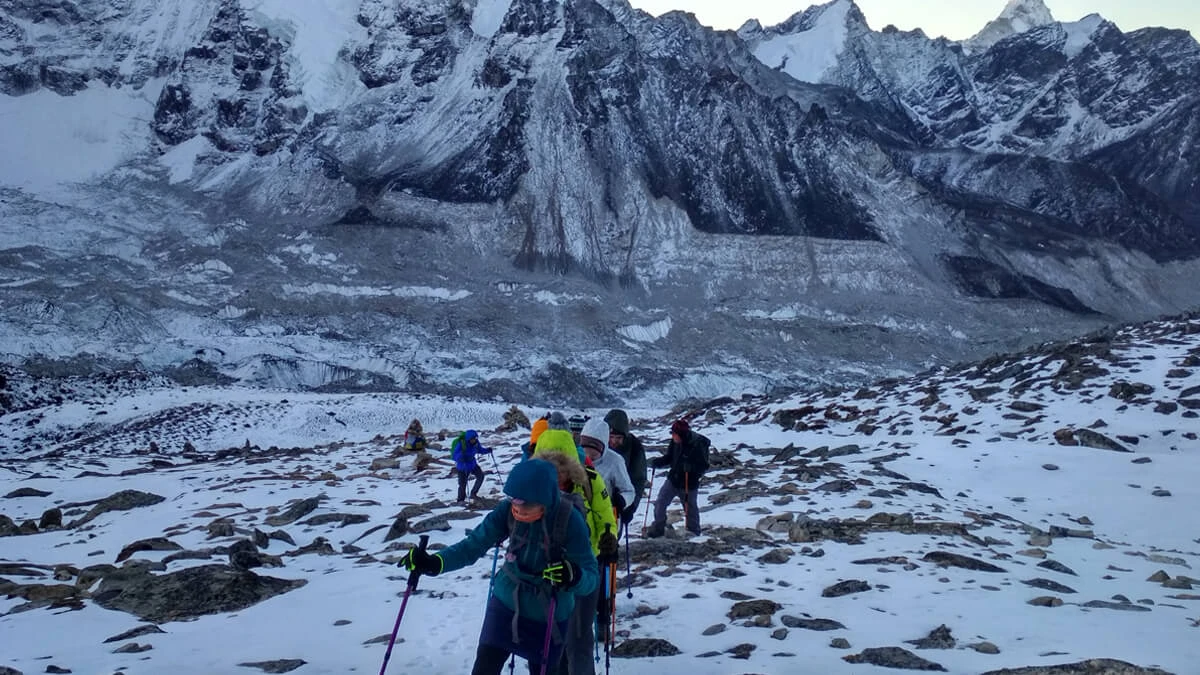
Trek to the Everest Base Camp is quite challenging as it requires both the physical and mental strength. It typically involves 6 to 7 hours of hiking daily. Trekkers may find the endurance needed for such long walks involving some degree of difficulty.
In addition to this, the elevation makes the challenge even more complicated, as base camp stands at 5,364 meters above sea level. Low levels of oxygen and the high pressure in high-altitude environments exacerbate the risk of altitude sickness, including HACE, HAPE, and AMS; these conditions can be extremely dangerous to one’s health.
In addition, the volatility of the Himalayan weather makes things worse. Sudden changes of the weather are the main challenges in the trekking area; low temperatures, strong winds, and rainfall during monsoon or winter require serious preparation to prevent risks and maintain safety for everyone during a trek.
Challenges of Everest Base Camp Trek
- High Altitude: This Himalayan trek takes you to the heights more than 5000 meters above the sea level which results in dropping of oxygen levels and suffering from the altitude sickness symptoms, i.e., headaches and nausea. These risks can be lowered sufficiently with a proper acclimatization done, which is very relevant for a successful climb.
- Physical Endurance: The journey demands a high level of stamina as the trekkers must walk for a long time. Besides various challenges, they have to overcome steep and wobbly slopes.
- Weather Variability: Himalayan weather can have sudden changes that can range from hail, rain, or very low or very high temperatures, especially in higher altitudes. Proper dress and equipment are a must when you are preparing for a kind of weather, which is always unpredictable.
- Remote Environment: The trekking in the Everest region is going to be in a remote area where medical aid and emergency services are almost generally accessible.
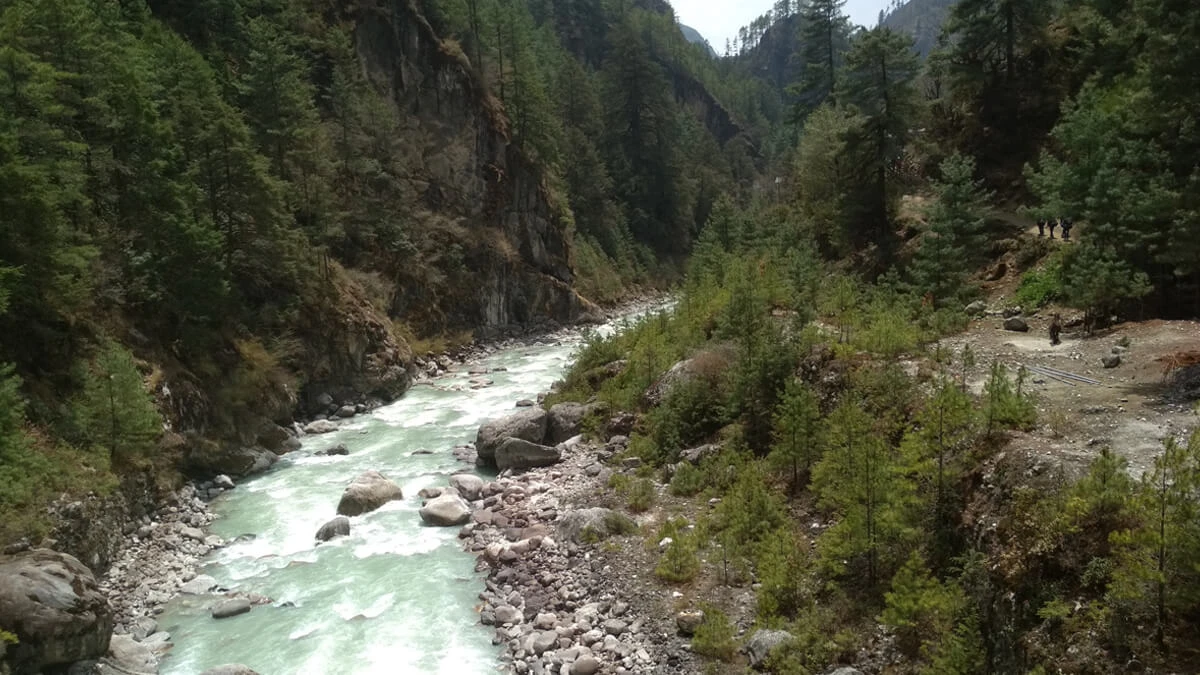
- Trail Conditions: The path to Everest base camp is not easy because the trail is rocky and uneven. Trekkers face steep hills, downhill treks, river crossing, and slippery slopes that demand care and firm steps.
Preparations Required for The Trek
The Everest Base Camp Trek preparation, demands a good deal of consideration and a high level of preparedness to deal with the landscapes and possible dangers that the trek might present. As has been indicated, there is a high level of difficulty here, and good preparation becomes an essential factor for the safety and readiness for emergencies.
- Physical & Mental Conditioning: The Everest Base Camp Trek is a difficult and tiring journey, and it requires you to be fit both mentally and physically.
- Training Before Trekking: Trekking to the Everest Base Camp that is known as the most difficult trek in Everest Region of Nepal demands a certain level of experience to overcome it. The rocks, glaciers, and high altitude have risks, and trekkers go through rock climbing training to control the risks.
- Choosing the Optimal Time: It is necessary to understand Nepal's seasonal weather patterns in order to determine the most appropriate time to start the EBC trek.
Safety Tips for Everest Base Camp Trek
Everest Base Camp is not just about the view. It’s about surviving it, too. I’ve seen trekkers rush and regret. So, don’t be one of them. Here are some safety tips fo Everest Base Camp Trek.
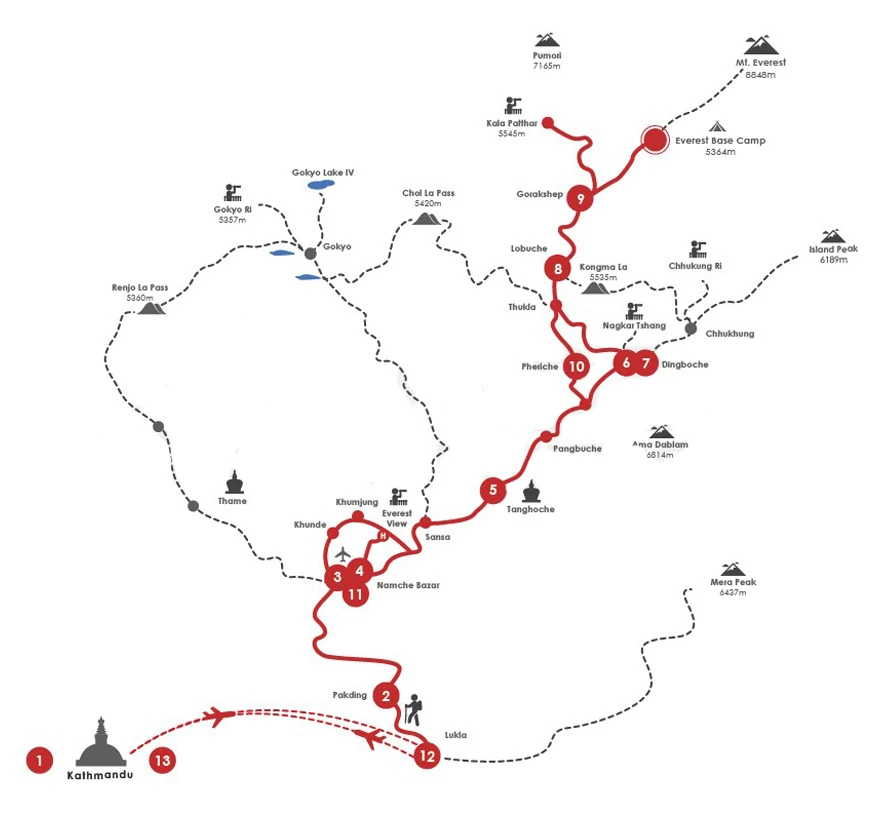
- Acclimatization is key: You can’t just sprint to EBC and hope for the best. Spend a day in Namche Bazaar, then Dingboche. Walk a little higher, and sleep lower. Your head might ache, and nausea hits; don’t ignore it. Seriously, don’t.
- Your body needs preparation: Prepare with short hikes, stairs, and cardio. Strong legs save lives here.
- The weather is unpredictable: Sun in the morning, snowstorm in the afternoon. You need to layer up. A hat, sunglasses, and sunscreen also help you a lot.
- Hydrate as much as you can: Drink 3-4 liters a day. Electrolytes help too. Eat small meals and avoid alcohol.
- Gear matters: Good boots and trekking poles are lifesavers. Also carry a headlamp for dark mornings, a water purifier. Don’t rely on plastic bottles everywhere.
- Walk slowly: Take short breaks. Don’t rush; walk at a comfortable pace.
- Watch your step: Trails aren’t always friendly. Sometimes there might be loose rocks, slippery ice, and rivers to cross. One wrong step can harm you.
- Positive mindset: Stay patient and positive. Respect the Sherpas, respect fellow trekkers, and then you’ll enjoy the most.
EBC isn’t just about the photo at the end. It’s the story you survive to tell.
Why Should You Choose Himalayan Partner for your Everest Base Camp Trek?
Choosing the right company for your Everest Base Camp Trek matters more than people think. Because once you’re up there in the Khumbu region of Nepal, there’s no room for mistakes and no shortcuts either.
At Himalayan Partner Treks & Expedition, the approach is simple. We keep it real, safe, and make sure you actually enjoy the journey, not just complete it. We don’t just sell an Everest Base Camp Trek package. We plan it like someone close to us is going.
What makes us different?
- Experienced local guides: Not just trained, but raised around these mountains. They know the trails, the weather, and how your body reacts at altitude. That matters.
- Proper acclimatization planning: The Everest Base Camp Trek itinerary is designed to go slow where needed.
- All logistics handled: Permits, flights, accommodation, and meals are all arranged by us. You don’t have to stress about small things.
- Flexible and customizable trips: Want a private trek? Shorter plan? Or Extra comfort? We’ll arrange it for you.
- 24/7 support: Before the trek, during the trek, and even after the trek. Someone is always there if you need help.
- Transparent pricing: The Everest Base Camp Trek cost is clear. No hidden charges and no last-minute surprises.
- Safety comes first: Altitude sickness, weather changes, emergencies, for everything we are prepared.
At the end of the day, this is not just another trip to Sagarmatha National Park. It’s your Everest journey, and we’ll make sure it goes right. So, don’t just dream about Everest. You can experience it safely with Himalayan Partner. Reserve your Everest Base Camp Trek today, with expert guides, all permits, and full support included.