
Khopra Danda Trek Guide 2026
Khopra Danda is a quiet trekking place in Nepal’s Annapurna region. It is famous for peaceful trails and wide views of the Himalayas. The Khopra Danda Trek is a good choice for people who want to walk away from crowded routes like Poon Hill.
From Khopra Danda, trekkers can see mountains such as Dhaulagiri, Annapurna South, and Nilgiri. The trail goes through green forests and small Gurung and Magar villages. Most trekkers stay in community lodges run by local families.
The trek is not very hard and can be done by beginners with basic fitness. This article gives clear information about the Khopra Dada trek, including route details, cost, best time to go, packing tips, and local culture.
If you want a safe, well-planned, and memorable trek, Himalayan Partner can help you organize everything. From transport and accommodation to guides and permits, they take care of all the details so you can enjoy the mountains.
Start planning your Khopra Dada trek today with Himalayan Partner and experience the beauty, culture, and calm of this hidden Himalayan gem.
Khopra Dada Trek Highlights
- Quiet and less crowded trekking trail
- Stunning views of Dhaulagiri, Annapurna South, and Nilgiri
- Panoramic sunrise and sunset from Khopra Ridge
- Walk through lush forests and rhododendron trails
- Stay in community-run lodges in Gurung and Magar villages
- Moderate trek suitable for beginners and experienced trekkers
- Explore local culture and village life
- Option to visit Khayer Lake, a serene high-altitude lake
- Flexible itineraries, can be done in 4–6 days
Where is Khopra Dada Located?
Khopra Dada is located in the Annapurna region of Nepal, north of Pokhara. It lies on a quiet ridge above the popular Ghorepani–Poon Hill trail. Khopra Dada sits at an altitude of about 3,660 meters, which gives clear views of the surrounding mountains.
The trek usually starts from villages like Ghandruk, Ulleri, or Tadapani, which can be reached by road from Pokhara. Because Khopra Dada is slightly away from the main trekking routes, it receives fewer visitors than other places in the Annapurna area.
This makes it a good choice for trekkers who want calm trails and natural scenery. The area is managed by local communities, helping protect nature and support village life.
Why Choose Khopra Dada Trek in 2026?
The Khopra Danda Trek is a quiet and beautiful trek in Nepal. Unlike busy trails like Poon Hill, the Khopra Ridge Trek has few visitors. You can enjoy clear views of Dhaulagiri, Annapurna South, Nilgiri, and other Himalayan peaks without large crowds.
The trail goes through green forests and small villages where Gurung and Magar people live. Trekkers can stay in community lodges, which help local families. The trek is not very hard. Beginners and experienced trekkers can do it.
In 2026, Khopra Dada will be known as a hidden gem. Trekkers like its sunrise and sunset views, calm paths, and natural beauty. You can also visit Khayer Lake, a quiet lake near the ridge.
The trek can be done in 4–6 days. It is a perfect choice for people who want peaceful trails, amazing views, and local culture. The Khopra Ridge Trek is easy to plan and gives a true Himalayan experience.
Khopra Dada Trek Itinerary
The Khopra Dada Trek Itinerary is usually done in 5–6 days, but it can be shortened or extended depending on your pace. This detailed plan helps you prepare for the trek, see all key spots, and enjoy local culture.
Day 1: Pokhara to Ghandruk
Drive from Pokhara to Ghandruk (3–4 hours). Explore the Gurung village, traditional stone houses, and local temples. Enjoy views of Annapurna South and Machapuchare. Overnight stay in a community lodge.
Tip: Start early to enjoy daylight and take photos of the mountains.
Day 2: Ghandruk to Dobato
Trek from Ghandruk to Dobato (4–5 hours). The trail passes forests, terraced fields, and small villages. Cross streams and walk through rhododendron trees. Dobato is a small settlement with community-run lodges. Overnight stay in Dobato.
Tip: Carry water and light snacks for the day.
Day 3: Dobato to Khopra Dada
Trek to Khopra Dada (Khopra Ridge) (5–6 hours). The trail gradually climbs with panoramic views of Dhaulagiri, Annapurna South, Nilgiri, and Annapurna II. Watch sunrise or sunset from the ridge. Stay overnight in a community lodge near the ridge.
Tip: Take extra layers; it can be cold at the ridge, even in spring.
Day 4: Khopra Dada to Khayer Lake (Optional) and Back to Dobato
Optional hike to Khayer Lake, a serene high-altitude lake near Khopra Ridge. Return to Dobato for overnight stay. Enjoy the calm environment and local village life.
Tip: Start early to get the best lake views and avoid clouds in the afternoon.
Day 5: Dobato to Ghandruk
Trek back from Dobato to Ghandruk (4–5 hours). Take your time to enjoy the mountain views and forests. Interact with Gurung and Magar villagers along the way. Overnight stay in Ghandruk.
Tip: Keep your camera ready for birds and wildlife sightings.
Day 6: Ghandruk to Pokhara
Drive back to Pokhara (3–4 hours). End the trek with memories of quiet trails, amazing mountain views, and cultural experiences.
Tip: Use this day to rest or explore Pokhara city before your onward travel.
Khopra Dada Trek Altitude & Difficulty
The Khopra Dada trek goes up to about 3,660 meters at Khopra Ridge. From here, you can see Dhaulagiri, Annapurna South, Nilgiri, and other Himalayan peaks. At this height, some trekkers may feel short of breath or a little tired. It is important to walk slowly, drink water, and take short breaks.
The Khopra Dada trek difficulty is moderate. Most trails are safe and clear, but some parts near the ridge are steep. You should have basic fitness and be ready to walk 4–6 hours each day. Beginners can do the trek if they take it slow.
The trek passes through forests, fields, and small villages. This makes climbing easier and helps your body adjust to the altitude. Most days are steady walks rather than hard climbs. Staying in community lodges along the way gives time to rest.
The Khopra Dada trek is great for both beginners and experienced hikers. It is moderate, safe, and offers amazing mountain views.
Best Time to Visit Khopra Dada
The best time to visit Khopra Dada is in spring (March to May) and autumn (September to November). During these months, the weather is clear, the skies are blue, and the mountain views are at their best. You can enjoy sunrise and sunset from Khopra Ridge without clouds blocking the view.
In spring, the forests and hills are full of flowers, especially rhododendrons. This makes the trek very colorful and scenic. In autumn, the air is clean and fresh after the monsoon, and the mountains look sharp and clear.
The monsoon season (June to August) is not ideal. Trails can be slippery, and heavy rain may cause landslides. Winter (December to February) is also possible, but it is cold, and some areas may have snow. Only trekkers with warm gear should attempt it in winter.
Visiting in spring or autumn also means the community lodges are open, and the local people are ready to welcome trekkers. Following this guide will help you plan your Khopra Dada trek for the best weather, clear views, and a safe and enjoyable experience.
Khopra Dada Trek Cost in 2026
The Khopra Dada trek cost depends on how you plan your trip. Costs include permits, guide or porter fees, food, and accommodation.
Permits: You need a TIMS card and Annapurna Conservation Area Permit (ACAP). These usually cost around $40–$50 in total.
Guide or porter: Hiring a guide costs about $25–$30 per day, and a porter is around $20 per day. A guide helps with navigation, safety, and local knowledge.
Accommodation: Staying in community lodges costs $5–$10 per night for a room.
Food: Meals at lodges are around $5–$8 per meal. You can save money by sharing meals or bringing snacks.
Other costs may include transport from Pokhara to the trek starting point, gear or equipment, and personal expenses. Budget trekkers can complete the Khopra Dada trek for about $200–$250 for 5–6 days. Those who hire guides, porters, and eat extra meals may spend $300–$400.
Planning your budget in advance will help you enjoy the trek without stress. The Khopra Dada trek cost in 2026 is reasonable, especially for the amazing views, quiet trails, and cultural experience you get on this hidden gem in the Annapurna region.
Khopra Dada vs Poon Hill (2026 Comparison)
Many trekkers wonder about Khopra Dada vs Poon Hill. Both are in the Annapurna region and offer great mountain views, but they are very different experiences.
Poon Hill is popular and crowded. Many tourists visit every year, especially during sunrise. The trails are well-marked and easy, making it suitable for beginners. Accommodation and food are widely available, but the crowds can take away the peaceful feeling.
Khopra Dada, on the other hand, is quieter and less crowded. The Khopra Ridge Trek gives a more peaceful experience with clear views of Dhaulagiri, Annapurna South, and Nilgiri. The trails go through forests and small villages, offering an authentic look at Gurung and Magar culture. Staying in community lodges also supports local families.
The difficulty is slightly higher at Khopra Dada, but the reward is bigger for trekkers who want solitude and nature. Poon Hill is easier and shorter, ideal for casual trekkers or people with limited time.
In 2026, if you want peaceful trails, amazing scenery, and cultural experiences, Khopra Dada is the better choice. If you prefer a short, easy trek with many visitors, Poon Hill is suitable.
For Budget Travelers: Experiencing the Himalayas Without Luxury at Khopra Danda
The Khopra Danda Trek is a great choice for budget travelers in Nepal. It offers big mountain views without high costs. Located in the Annapurna region, this trek is quiet, affordable, and real.
You do not need luxury lodges to enjoy the Himalayas. At Khopra, simple living is part of the journey.
Why Khopra Danda Trek Is Good for Budget Travelers
Many popular treks in Nepal are crowded and expensive. Khopra Danda is different. It is less commercial and more peaceful. This keeps daily costs low and the experience more personal.
For travelers looking for cheap trekking routes in Nepal, Khopra Danda is a smart option.
Affordable Lodges on the Khopra Danda Trek
The Khopra Ridge Trek has community-run lodges. These lodges are basic but clean. Rooms are warm and safe. Prices are fair and fixed.
This makes the trek ideal for budget trekking in the Annapurna region.
Simple and Filling Local Food
Food on the Khopra Danda Trek is local and affordable. Dal bhat, dhido, and seasonal vegetables are common meals. They give enough energy for long walking days.
Eating local food helps save money and supports local families.
No Extra Costs, Just Nature
Khopra Danda has fewer shops and services. There are no luxury upgrades or hidden charges. You pay only for food and a bed.
In return, you get free views of Dhaulagiri, Annapurna South, and Machhapuchhre. The mountains are the real reward.
Community-Based and Responsible Trekking
The Khopra Danda Trek supports community-based tourism in Nepal. Local people manage the lodges. Your money stays in the village.
This makes Khopra one of the best options for responsible and budget-friendly trekking.
Slow Travel That Saves Money
The trail allows slow walking and short days. This helps reduce tiredness and health risks. You do not need expensive gear or porters.
This makes the trek suitable for first-time trekkers in Nepal.
Simple Living Is the Real Luxury
Khopra Danda shows that luxury is not always comfort. Silence, space, and fresh air matter more. For many travelers, this is the best part of the journey.
Culture & Local Communities of Khopra Dada
The Khopra Dada culture comes from the Gurung and Magar villages along the trekking trail. People live in stone houses and grow crops on terraced fields. Walking through the villages shows how they live every day. You can see their work, clothing, and traditional farming.
Many lodges in Khopra Dada are run by local families. Staying in these lodges helps the community. You get a real village experience and home-cooked meals. You can also talk with the villagers and learn about their life.
Trekking in this area means being respectful. Always greet villagers politely. Keep the trails clean and avoid loud noises. Learning a few local words is appreciated and shows respect.
Seeing the Gurung and Magar culture makes the trek more special. You learn how people live in the mountains, how they farm, and how they welcome visitors. Staying in community lodges and following local rules helps support the villages. It also gives you a true cultural experience.
The Khopra Dada trek is not only about mountains. It is also about the people and their way of life. Experiencing their culture makes your trek more memorable and meaningful.
Accommodation & Food on Khopra Dada Trek
The Khopra Dada accommodation mainly consists of community-run lodges in the villages along the trail. These lodges are simple but comfortable. They provide beds, blankets, and basic facilities. Staying in these lodges helps local families and supports the community.
Most lodges offer home-cooked meals. You can find Nepali dishes like dal bhat (rice and lentils), noodles, and soups. Breakfast usually includes tea, porridge, or bread. Meals are fresh and filling, but prices are slightly higher than in Pokhara because everything is carried up the trail.
Trekkers should bring some snacks and energy bars for the day. Water is available in lodges, but it is safer to use boiled or treated water.
The lodges provide a chance to meet other trekkers and enjoy the local hospitality. Staying in community lodges is also a way to experience Gurung and Magar culture first-hand.
Overall, the accommodation and food on Khopra Dada Trek are simple but good. They make your trek comfortable, safe, and culturally rich.
Packing List for Khopra Dada Trek
Packing well is important for the Khopra Dada trek. You need clothes, gear, and other items for comfort and safety. Here is a detailed list for trekkers:
Clothing
Warm layers: jackets, fleece, and thermal clothes for cold mornings and evenings.
T-shirts and light shirts: for daytime trekking.
Trekking pants: comfortable and quick-dry.
Rain jacket or poncho: weather can change quickly.
Hat, gloves, and socks: to stay warm at high altitude.
Footwear
Trekking shoes or boots: strong, comfortable, and waterproof.
Sandals or flip-flops: for evenings in the lodges.
Gear
Backpack (20–30L): for daily essentials.
Sleeping bag: lodges provide blankets, but it’s warmer to have your own.
Trekking poles: help on steep or slippery paths.
Water bottle and water purifier/tablets.
Other essentials
Sunscreen, sunglasses, and lip balm.
Personal items: toiletries, medicines, first aid kit.
Snacks and energy bars.
Headlamp or small torch.
Optional items
Camera or phone for photos.
Notebook or guidebook.
Packing these items makes the trek safe, comfortable, and enjoyable. It also helps you handle cold, rain, and long walking days on the Khopra Dada trail.
How to Reach Khopra Dada Trek
The Khopra Dada Trek is in the Annapurna region of Nepal, north of Pokhara. Planning your transport carefully is important to ensure a smooth and stress-free start to your trek.
Step 1: Reach Pokhara
Pokhara is the gateway to the Khopra Danda Trek. It is well connected by air and road from Nepal’s capital, Kathmandu.
By Flight:
Daily flights operate between Kathmandu (Tribhuvan International Airport) and Pokhara Airport.
Flight duration: approximately 25 minutes.
This is the fastest and most convenient way to reach Pokhara.
By Bus:
Tourist buses and local buses run from Kathmandu to Pokhara.
Travel time: around 6–7 hours, depending on road conditions.
Buses are affordable, but expect basic comfort and possible delays on hilly roads.
Step 2: Pokhara to Trek Starting Point
The trek to Khopra Dada usually begins from one of these villages:
Ghandruk
Tadapani
Ulleri
These villages are accessible by local jeep or bus from Pokhara:
Private Jeep: 3–4 hours, depending on road conditions. Offers more flexibility and comfort.
Local Bus/Shared Jeep: Slightly cheaper but slower. Roads can be bumpy, especially in the monsoon season.
Tip: Start early in the morning to avoid traffic, enjoy scenic drives, and reach the village with daylight.
Step 3: Begin Trekking on Foot
From the chosen starting village, the Khopra Danda Trek begins on foot.
Trail Highlights:
Walk through lush forests, terraced fields, and small Gurung and Magar villages.
Rivers and streams cross the trail, adding natural charm.
Wooden signs along the route help you stay on track.
Trekkers usually take 4–6 hours per day depending on pace and altitude adjustment.
Tip: Carry water, snacks, and a light daypack for essentials. Walking poles can help on steep sections.
Step 4: Optional Stops Before Khopra Dada
Many trekkers stop overnight in Ghandruk or Dobato before reaching Khopra Ridge.
These stops help with altitude acclimatization and allow exploration of local culture.
Staying in community lodges provides meals, rest, and a chance to interact with villagers.
Step 5: Local Transport Tips
Book jeeps or buses in advance during peak trekking seasons (spring and autumn).
Roads may be rough in monsoon season (June–August). Travel carefully.
Carry cash as ATMs are limited beyond Pokhara.
Always check with local lodges if you plan to start the trek in the early morning or late afternoon, especially for first-time trekkers.
Step 6: Safety & Preparation
Make sure you reach the starting village in daylight to avoid hiking in the dark.
Keep copies of trekking permits (TIMS and ACAP) ready, as guides may need them at checkpoints.
Wear comfortable trekking shoes for rough trails and minor river crossings.
Khopra Dada Trek Map & Route
The Khopra Dada trek starts from Ghandruk, Tadapani, or Ulleri. The main route passes through Dobato, Khopra Ridge (Khopra Dada), and optionally Khayer Lake. The trek usually takes 5–6 days with steady climbs and easy trails.
Follow the main path to enjoy mountain views, forests, and village life. A map is provided below to help you visualize the trail and key stops for a safe and enjoyable trek.
Trekking to Khopra Danda With a Kid: Is It Safe and Worth It?
Yes, trekking to Khopra Danda with a kid is possible, if planned well. Compared to many high-altitude treks in Nepal, the Khopra Danda Trek is quieter, flexible, and less demanding. This makes it a good option for families who want a simple Himalayan trekking experience.
However, age, fitness, and pace matter.
Why Khopra Danda Is Family-Friendly
The Khopra Ridge Trek is less crowded and more peaceful than popular routes like Poon Hill. Fewer people mean safer trails and calmer walking days, which helps when trekking with children.
Key family-friendly features:
- Gradual altitude gain
- Flexible walking hours
- Community-run lodges with warm meals
- Quiet trails with fewer distractions
Best Age for Kids on Khopra Danda Trek
- The trek is best suited for kids aged 8 years and above who:
- Can walk for several hours a day
- Are comfortable sleeping in basic lodges
- Enjoy nature and outdoor activity
- Younger children can still join shorter sections of the trek, depending on fitness and weather.
Accommodation and Food for Kids
Community lodges on the Khopra Danda route are simple but safe. Rooms are clean, and meals are freshly cooked.
Kid-friendly food options usually include:
- Dal bhat
- Rice and vegetables
- Soup and noodles
- Tea and hot drinks
Parents can also carry familiar snacks for comfort.
Safety and Comfort on the Trail
Safety depends more on planning than difficulty. Khopra allows slow walking days, which helps children adjust naturally.
Tips for trekking Khopra Danda with kids:
- Walk slowly and take breaks
- Keep days short
- Dress kids warmly
- Avoid rushing to higher points
The highest point, Khopra Ridge (around 3,660 m), is manageable with proper rest days.
Educational and Emotional Benefits for Kids
Trekking in the Annapurna region helps children:
- Learn patience and resilience
- Experience village life in Nepal
- Understand nature and simple living
- Build confidence through walking challenges
Many families say the quiet nature of Khopra helps kids stay calm and focused.
When Khopra Danda May Not Be Ideal
Khopra may not suit families who:
- Want luxury lodges or private bathrooms
- Prefer short walks with road access
- Are uncomfortable with basic facilities
This trek is about experience, not comfort.
Final Verdict: Is Khopra Danda Good for Family Trekking?
If your child enjoys walking, nature, and simple living, trekking to Khopra Danda with a kid can be a meaningful family adventure. It offers safety, affordability, and learning, without the pressure of crowded trails.
Is Khopra Dada Worth It?
Yes, the Khopra Dada trek is worth it for anyone who loves mountains, peace, and culture. Unlike crowded trails, Khopra Dada offers quiet paths, stunning views, and a real village experience.
The trek gives you panoramic views of Dhaulagiri, Annapurna South, and Nilgiri. You also walk through forests, terraced fields, and Gurung and Magar villages, which shows the traditional life of local communities. Staying in community lodges helps locals and gives an authentic experience.
The trek is moderate in difficulty, so both beginners and experienced hikers can enjoy it. Whether you want a short 4-day trek or a longer 6-day adventure, Khopra Dada offers beauty, calm, and culture in one journey.
It is a hidden gem in the Annapurna region and a trek you will remember for life.
Khayer Lake: A Serene High-Altitude Gem Near Khopra Dada
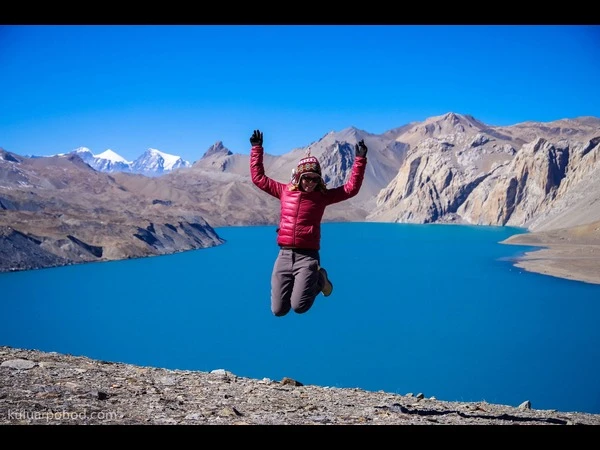
Khayer Lake, also called Khayar Lake, is a peaceful high-altitude lake near Khopra Ridge in Nepal’s Annapurna region. It sits at approximately 3,400–3,500 meters and is a hidden gem for trekkers who enjoy quiet nature and scenic beauty.
Tip: If you extend your trek by an extra day, you can include a visit to Khayer Lake for a serene and memorable experience.
Why Visit Khayer Lake?
- Solitude and Peace: Unlike crowded viewpoints like Poon Hill, Khayer Lake receives few visitors, offering a calm atmosphere.
- Breathtaking Scenery: The lake reflects the snow-capped peaks of Dhaulagiri, Annapurna South, and Nilgiri, perfect for photography.
- Cultural Significance: Local communities consider it sacred, and small traditional rituals are sometimes held nearby.
- Nature and Wildlife: Surrounded by rhododendron and pine forests, the area is great for spotting alpine flora and birds.
Trekking to Khayer Lake
- The hike is optional and usually done as a day trip from Khopra Dada.
- Distance: ~4–5 km one way
- Duration: ~2–3 hours each way, depending on pace
- Difficulty: Moderate, with some steep and rocky sections
- Best Time: Early morning for clear reflections and fewer clouds
Tip: Bring warm clothes, water, and snacks. Weather can change quickly at this altitude.
What You’ll Experience
- Quiet, meditative surroundings
- Stunning mountain reflections on the lake
- A peaceful break from trekking, ideal for photos and relaxation
- Insight into local traditions and spiritual landscapes
Why Adding Khayer Lake Is Worth It
Extending your Khopra Dada Trek by one day to visit Khayer Lake adds:
- Extra scenic highlights
- Unique photo opportunities
- A slower, mindful trekking experience
- Deeper connection with the natural and cultural environment
Complimentary Services for Our Khopra Dada Trekkers
When you choose us for your Khopra Dada Trek, we make sure you feel supported from the moment you arrive in Nepal. To make your journey smoother and more comfortable, we offer the following complimentary items and services:
- Trekking T-shirt
- A comfortable, breathable trekking shirt to start your adventure in style.
- Trekking Stick / Pole
- Provided to help with balance and support on uphill and downhill trails.
- Private Car for Arrival & Departure
- Airport pick-up and drop-off in a private vehicle so you begin and end your trip without stress.
- Down Jacket Rental
- A warm down jacket for cold mornings and higher altitudes. No extra rental cost.
- Trek Completion Certificate
- A personalized certificate to celebrate your achievement at the end of the trek.
These add-ons are offered at no extra charge, so you can travel lighter and focus on what matters, enjoying the Himalayas and creating unforgettable memories.
FAQs – Khopra Dada Trek (2026)
1. Where is Khopra Dada located?
Khopra Dada is in the Annapurna region of Nepal, north of Pokhara. The trek usually starts from Ghandruk, Tadapani, or Ulleri.
2. What is the best time to visit Khopra Dada?
The best time is spring (March–May) and autumn (September–November). The weather is clear, and mountain views are at their best.
3. How difficult is the Khopra Dada trek?
The trek is moderate. It has some steep sections but is suitable for beginners with basic fitness and experienced trekkers.
4. What is the altitude of Khopra Dada?
The highest point is Khopra Ridge at 3,660 meters. Some trekkers may feel mild shortness of breath, so take breaks and stay hydrated.
5. How much does the Khopra Dada trek cost?
The trek can cost around $200–$250 for 5–6 days for budget trekkers. Hiring a guide or porter increases the cost to $300–$400.
6. How long is the Khopra Dada trek itinerary?
The trek usually takes 5–6 days. You pass through Ghandruk, Dobato, Khopra Ridge, and optionally Khayer Lake.
7. What is the accommodation and food like?
Most lodges are community-run. They offer beds, blankets, and home-cooked meals like dal bhat, noodles, and soup.
8. What should I pack for the trek?
Pack warm clothes, trekking shoes, rain gear, water bottle, snacks, sleeping bag, and basic personal items.
9. How can I reach Khopra Dada?
Start from Pokhara, then take a bus or jeep to the trailhead in Ghandruk, Tadapani, or Ulleri. From there, start trekking.
10. Is Khopra Dada worth it compared to Poon Hill?
Yes, it is quieter, less crowded, and offers better panoramic views and a real village experience. Poon Hill is easier but more crowded.
.webp)
