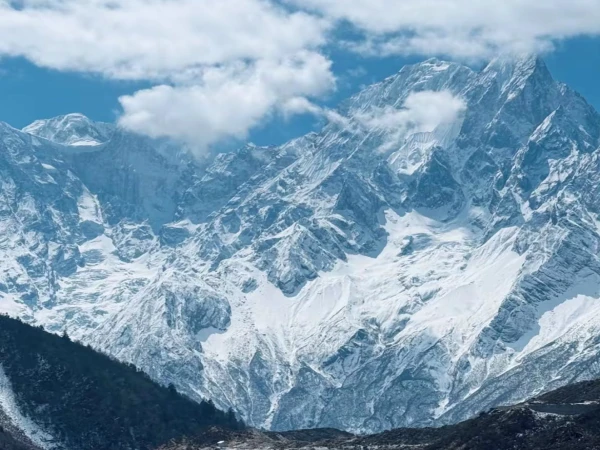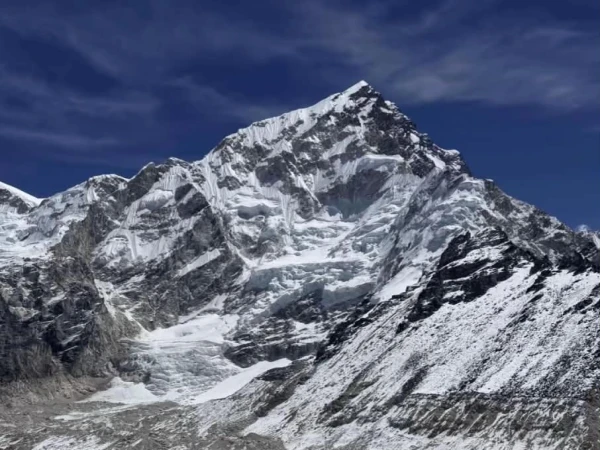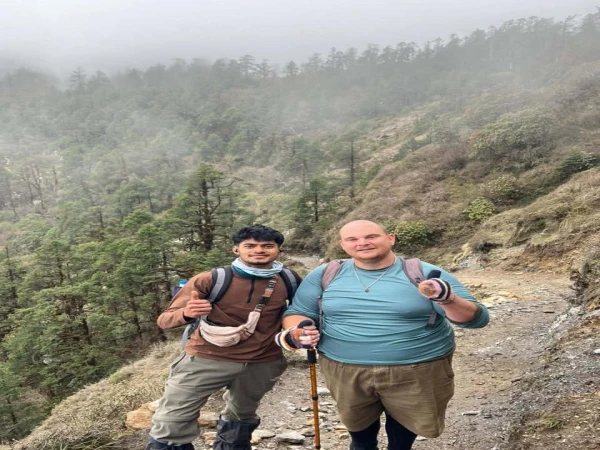
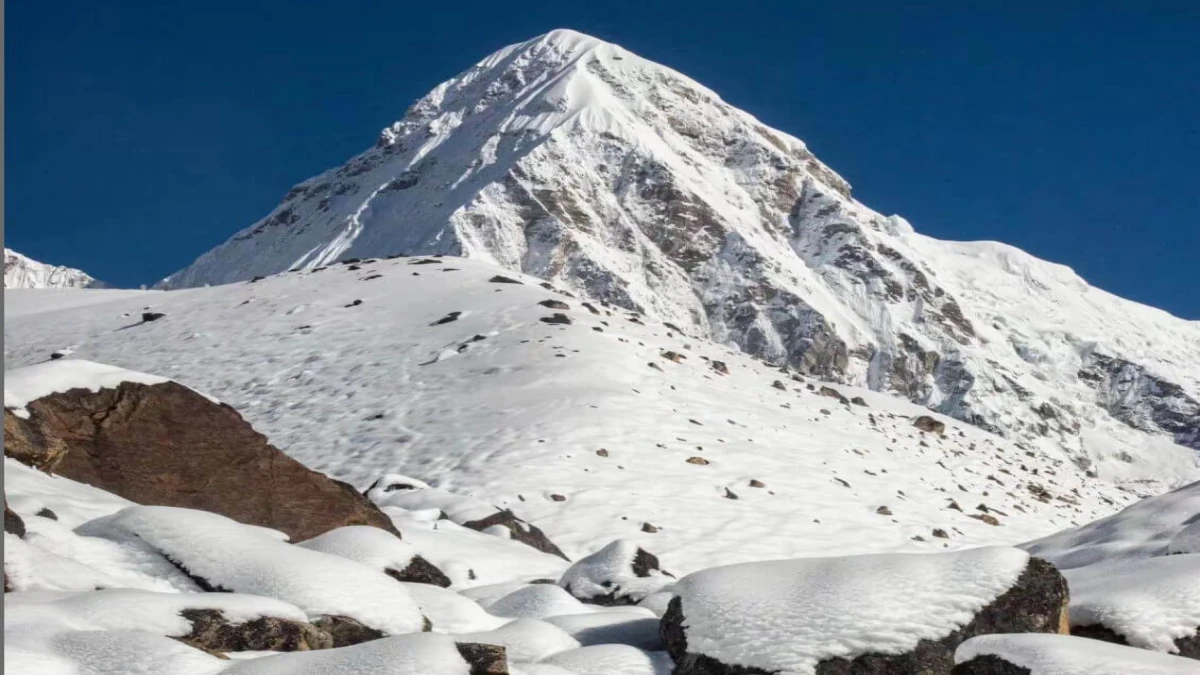
When I tell people I went to the Everest Base Camp Trek, the first question I get is “How hard is this trek?” Trekking to the foot of the world's highest mountain feels scary, right? And honestly, yes, it is tough. It was harder than I thought. But not impossible. The Everest Base Camp trek is long, and the high altitude makes your lungs work harder, your legs might scream some days. But you don’t need any climbing skills or special gear. Just a positive mindset and patience are needed. Some days were easy. Walking through villages, meeting locals, and enjoying the journey. Other days felt hard because of long hours, steep trails, and thin air. Still, walking slowly, step by step, I made it. And the moment I saw Everest from Base Camp, every walk, every sore muscle, and every breathless climb felt worth it.
Is Everest Base Camp Trek Really Difficult?
Honestly, yes, the Everest Base Camp Trek is difficult. It is tough but not impossible. First day, I was confident and excited at the same time. But by the third day, my legs felt like bricks, my lungs were screaming, and my heart was racing like crazy. But no technical climbing is needed; you just need confidence. The real challenge in the EBC trek is Altitude. Thin air, long walking hours, cold mornings, and some rocky and steep trail makes this trek more difficult. You need to listen to your body, walk at your own pace, and listen to your guide carefully. Then yes, even beginners and families can also do this trek. And the moment you reach Everest Base Camp, you’ll forget all of your pain and struggle. This is the magical moment that you’ll remember for your lifetime.
Everest Base Camp Trek Difficulty Overview
When I first started my Everest Base Camp trek through Lukla, I thought, “It can’t be that hard.” But no, I was wrong. Some days are really hard. You’ll trek for 12-14 days, depending on your pace. Some days feel really long and tiring. The maximum altitude of this trek is Kala Patthar at 5,364 meters. Here, the thin air hits hard. Daily walking hours for this trek are around 5-7 hours. Some days you need to walk even more, while some days less too, though rocky trails, muddy paths, and stone steps that never end. But you don’t need any previous trekking experience; you just need some stamina and patience. You need to have average fitness. So, do some cardio exercise before the trek, because it helps you a lot. Even if the trek is tough, the villages, locals, and the mountain views make you keep moving. Standing and looking at Everest Base Camp, every hard step feels tiny.
What makes the Everest Base Camp Trek difficult?
Everest Base Camp Trek gets difficult in a lot of ways. Here’s what made it tough for me:
- Altitude: Altitude is a real challenge in the EBC trek. Air gets thin, legs feel heavy, you might feel short of breath, and headaches sometimes. Even I felt this.
- Long walking days: You need to walk for 5-7 hours in a normal walking day. But somedays feels endless, your feet complain, and your mind doubts.
- Rocky trails: The terrain isn’t easy at all. The stone steps never end. Paths are narrow sometime and you need to cross the suspension bridges, which might get scary if you’re not used to it.
- Weather: Mornings are cold, afternoon is windy, and the sun is strong. The weather can change anytime, one minute it is too hot, while another moment it is too cold.
- Mental challenge: It’s not just walking. You’ll get tired, bored, and frustrated. Some mornings, you’ll want to just sit and give up. But then, the mountains, the locals, the view, keep you going.
Everest Base Camp Trek Difficulty: Day by Day
I did the 12-day Everest Base Camp trek, and here’s how the difficulty felt, day by day. Some days were easier than I expected. Other days, my legs hated me.
- Day 1, Flight to Lukla, Trek to Phakding: The flight to Lukla is scenic and thrilling. Trails gently move upward through small rivers and villages. Warming up. Felt good.
- Day 2, Trek from Phakding to Namche: Today, you’ll feel an uphill challenge. Lungs notice the thin air. Legs feel heavier than usual.
- Day 3, Trek from Phakding to Namche Bazaar: Today, you have a long hike on rocky paths. Your heart pumps, and you’ll get tired, but the scenes of villages and mountains keep you moving. Tea breaks during the walk give you instant energy.
- Day 4, Acclimatization Day: Today is an acclimatization day, so today you’ll do short walks only. Let the body adjust to the altitude, explore the mountains, and keep your brain relaxed.
- Day 5, Trek from Namche Bazaar to Tengboche: This day feels moderate. The route contains longer, uphill, rocky trails, a windy path, and monastery views.
- Day 6, Trek from Tengboche to Dingboche: It is a tough day. The steps never end, thin air hits hard, legs burn, and you may also feel like giving up. But you need to keep breathing, and just take one step at a time.
- Day 7, Acclimatization Day: This is another rest day. You can go on short walks. Lungs still feel heavy here. Hydration and snacks are key.
- Day 8, Trek from Dingboche to Lobuche Village: Today, you’ll walk through rocky paths, altitude also gets serious. Some frustration might creep in. But the mountains keep you going.
- Day 9, Trek from Lobuche to Gorak Shep and hike to Everest Base Camp: This is the longest day. Today, your leg screams, and your heart starts racing. Air is really thin, but reaching base camp feels unreal. Your every step feels worth it.
- Day 10, Hike to Kala Patthar for sunrise, Trek to Pangboche: You’ll take an early sunrise hike. It is physically brutal but visually breathtaking. Everest is glowing behind the sun. Energy is drained, but the soul is full.
- Day 11, Trek from Pangboche to Namche Bazaar: It is mostly downhill. It feels relief for the legs, but it is still long. Views are also familiar now.
- Day 12: Trek from Namche to Lukla: It is the last day of your trek. Your leg gets tired, your heart feels happy, and then you’ll get back to Lukla. Trek is completed. It is a mix of exhaustion and satisfaction.
Honestly, every day felt different. Some days your body complains. Some days, your mind doubts you. But the pace, views, and the locals make it manageable.
How Fit Do You Need to Be for the Everest Base Camp Trek?
For the Everest Base Camp Trek, you don’t need to be an athlete. I’m not an athlete either. And I made it. So what you need is good stamina. Your legs must be strong enough for 5-7 hours of walking per day. Lungs need to be ready for thin air and also be prepared for a bit of mental toughness, because some days test you more than your body.
Before my trek, I did some cardio, walked up long stairs, and did short hikes. It helped me a lot. So, for beginners and families too, it is possible. Just a proper plan, rest, and you need to listen to your body.
Personally, I learned that we need to be prepared mentally more than physically. Your mind gives up before your body does. So, keep it positive, hydrate yourself, and take breaks. The mountains reward patience.
Altitude Sickness: How It Makes the Everest Base Camp Trek Harder
Altitude sickness on the Everest Base Camp trek hits you differently. I first felt it on day 3, coming up to Namche Bazaar. My head was pounding, my lungs were burning, and my legs felt so heavy. And yes, it’s normal. Thin air makes everything harder in the EBC trek. Even slow walking feels like running. Heart races, breathing gets faster, and sleeping is hard at night. Some trekkers get dizzy, some feel nauseous. I was lucky, I just got a headache and a tight chest.
The secret to get rid of AMS is to take it slow, rest, and hydrate. Don’t rush, and acclimatize properly. I did short walks, sipped water constantly, and let my body adjust. Slowly, energy returned. Altitude sickness doesn’t make the trek impossible. It just makes it mentally tougher. Honestly, dealing with AMS became part of the adventure. Once you adjust, everything else feels easier. And seeing Everest at base camp, every headache and heavy breath suddenly feels totally worth it.
How to Reduce the Difficulty of the Everest Base Camp Trek
I learned a few tricks along the way that made the trek way easier. Here’s what helped me:
- Take it slow: Don’t rush. I walked at my own pace, and it made a huge difference.
- Acclimatize properly: Use rest days. Short walks during rest days help your body adjust a lot.
- Hydrate constantly: Water, electrolytes, teas, and whatever works best. Thin air dehydrates fast. So, keep a bottle in hand the whole time.
- Dress in layers: Morning is cold, and there is strong sun in day time, while the afternoon is windy. Layers will keep you comfortable and flexible all day.
- Pack smart: Keep your backpack light. Only keep essentials. A heavy bag makes long hikes brutal.
- Listen to your body: If you get a headache, feel dizzy, and experience other symptoms of AMS, then slow down. Don’t push yourself hard just to keep up with others. Trek at your own pace.
- Train yourself beforehand: Do some exercises like cardio, stairs, short hikes, etc. No need to do anything extreme, but these exercies helps a lot.
- Eat well: You need enough energy to keep moving. So, eat well, and keep some snacks with you. This works perfectly.
- Use trekking poles: Trekking poles are life saver on steep trails and endless stone steps. My knees stayed happy because of them.
If you follow these tips, your trek can be manageable. It is still challenging but less scary. Every step feels a little easier. And finally, I could actually enjoy the views instead of just surviving.
Best Time to Trek to Everest Base Camp to Reduce Difficulty
The season you choose makes a huge difference while trekking in Nepal, and especially in the Everest Base Camp Trek. I did my EBC trek in autumn, and it was perfect. The sky was clear. It was not too cold, and the trails were busy but not crowded. Here’s what I learned:
- Spring (March-May): The spring season brings beautiful rhododendrons, clear skies, and good weather. Trails are a bit crowded. Thin air still hits hard, of course.
- Autumn (September-November): The autumn season is my personal favorite. This is the time when you can see the clear views of Everest. Mornings are cool and days are sunny. The trail is busy too, but it is manageable. This is perfect trekking weather.
- Winter (December-February): The winter season brings very cold weather, snowy trails, and Fewer trekkers. This season becomes hard for beginners. You also need proper gear. If it’s your first time trekking in Nepal, then I suggest you skip the winter season.
- Monsoon (June-August): Monsoon season comes with rain, mud, and slippery trails. Landslides are possible too in this season. Honestly, this time is the hardest for safety and difficulty. So, I wouldn’t recommend it.
If your goal is to reduce difficulty, autumn or spring is the way to go. I felt strong, less fatigued, and could actually enjoy the views. Winter or monsoon season is tougher, mentally and physically.
Common Mistakes That Increase Trek Difficulty
I made a few mistakes on my trek and learned the hard way. Here’s what I’d warn anyone about:
- Rushing the trek: If you’re rushing and trying to finish the trek fast, then this is your big mistake. Your legs and lungs will hate you for this. If you slow down, it feels way better.
- Skipping acclimatization days: I saw some trekkers skip rest days to finish faster. But it is a bad idea. Because altitude hits harder. So, take your time.
- Carrying a heavy backpack: Trust me, every extra kilo counts on steep trails. Packing light helps you way more than you think.
- Ignoring symptoms: Don’t ignore symptoms like headache, dizziness, etc. Don’t push yourself hard. Some people ignore it and regret it. So, listen to your body.
- Not training beforehand: I did short hikes. Those who didn’t struggle more. Even small cardio helps. So, training before trek is life saver.
- Not drinking enough water: Thin air dehydrates fast. So, sip water constantly. Those who won't hydrate themselves enough will suffer more.
- Skipping meals or snacks: Energy dips fast. Keep chocolate, nuts, and instant noodles with you. It is a lifesaver.
These mistakes make the trek way harder than it should be. I learned to pace myself, listen to my body, and enjoy the mountains instead of fighting them.
Conclusion
The Everest Base Camp trek is challenging. Some days push you to your limits. But that’s part of the adventure. Every step and every struggle teaches you something. I learned patience and learned to listen to my body. And I learned that pacing yourself isn’t just smart, it’s the only way to truly enjoy it.
The views you get to see here are unreal. Sunrise over Kala Patthar, Everest towering above, Villages, rivers, mountains everywhere. This feels so peaceful. Every headache, every heavy breath is worth it.
If you’re thinking about the Everest Base Camp trek, don’t worry about being perfect. You don’t need extreme fitness or mountaineering skills. Just prepare a bit, take it slow, and enjoy the journey. And when you finally stand at base camp, looking at the world’s highest peak. You’ll understand why it’s called an adventure of a lifetime. If you’re planning your own journey, then you can check our Everest Base Camp Trek itinerary to see how the route, acclimatization days, and walking pace are planned for a comfortable and safe trek.