Pikey Peak Trek - 6 Days

Pikey Peak Trek - 6 Days
Quick Overview
Duration6 Days
Trip GradeModerate
CountryNepal
Maximum Altitude4,065 meters
Group Size1-20
StartsKathmandu
EndsKathmandu
ActivitiesTrekking
Best TimeAutumn & Spring

Pikey Peak Overview

Have you ever thought of seeing the world's tallest mountain, Mount Everest, without the huge crowd? If yes, then Pikey Peak Trek is for you. A 6-day trek, not too long, not too tough, but trust me, the views are totally worth it.

The Peaky Peak trek starts from Kathmandu by flying to Tumlingtar, and there the real adventure begins. This is a beautiful trek that goes through villages, forests, and monasteries where the story is hidden in every step that you take. Local people smile at you, you’ll make new friends among your fellow trekkers from other countries, share your stories, and live the trek to your fullest.  

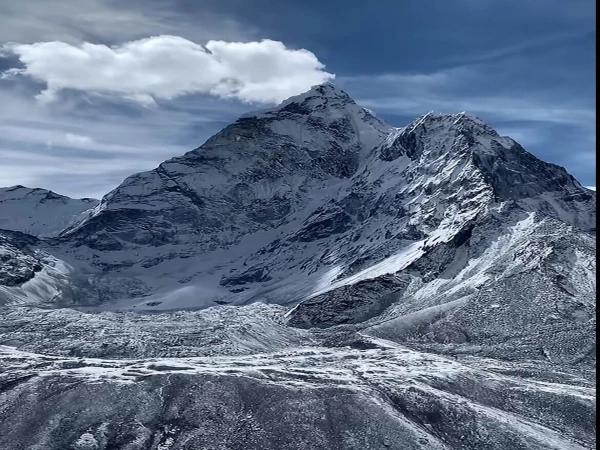
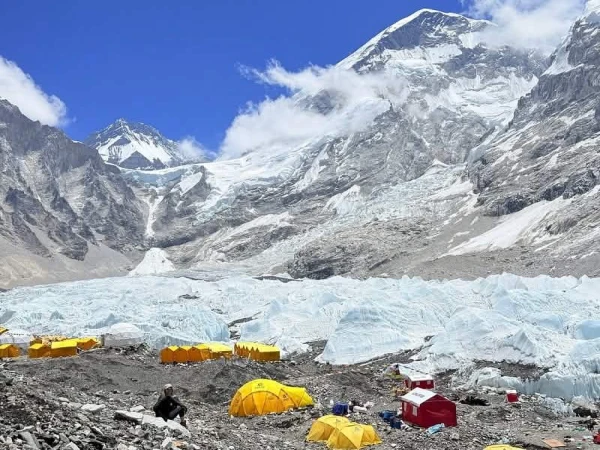
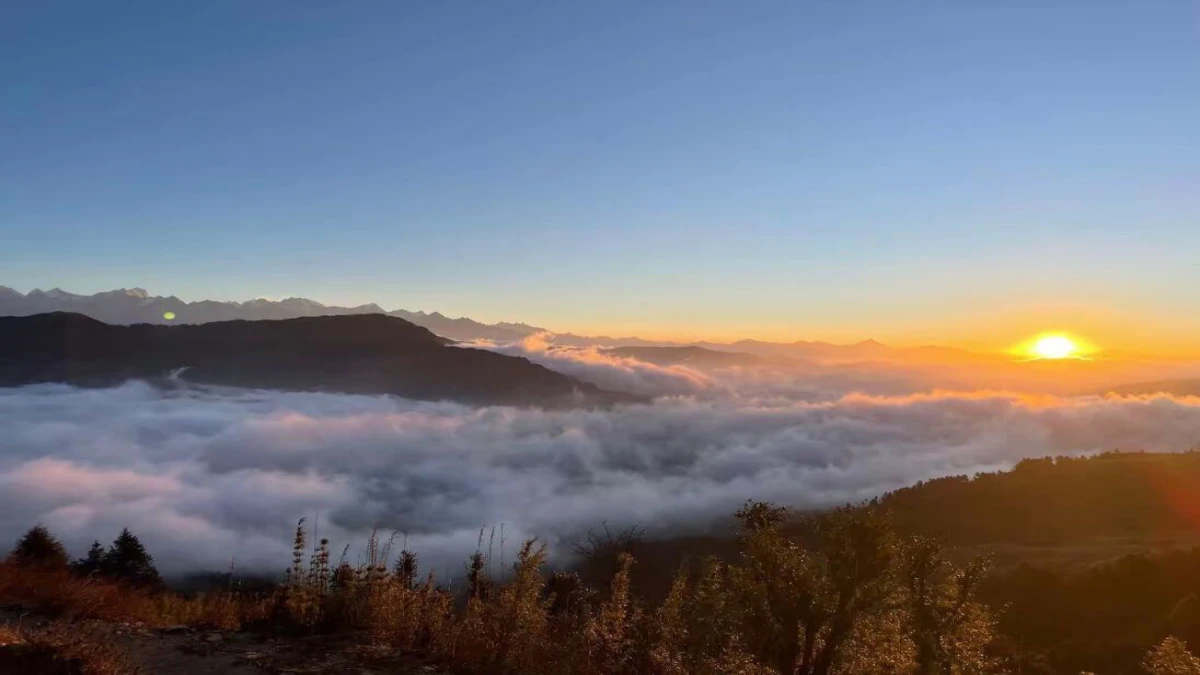
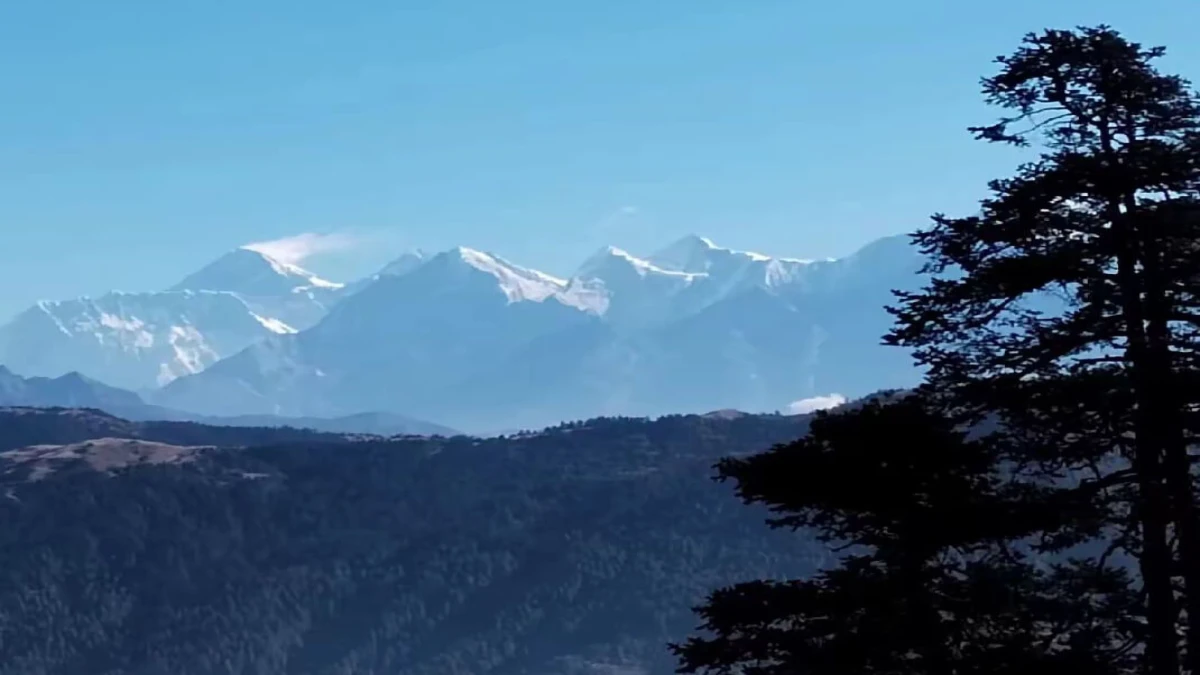
By Day 4, you’ll reach the Pikey Peak to witness a beautiful sunrise over the mountains. Everest, Makalu, and Kanchenjunga surround you and glow magically. This feeling makes you feel small in a good way. By the end, you’ll not just remember mountains, but also remember the moments you lived here, the people, and the feeling of seeing the world's tallest mountain turning golden in morning sunlight. 

Pikey Peak trek is not just a trek. It’s a little adventure, a bit of culture, and, if you love Nepal’s mountains, then it’s a short story that you’ll want to read again and again.

Pikey Peak Trek Facts

  • Trek Duration: 6 Days
  • Maximum Altitude: ~4,065 m (Pikey Peak)
  • Difficulty Level: Moderate (suitable for beginners too)
  • Total Trekking Distance: ~50-55 km
  • Average Trekking Hours: 4-6 hours/day
  • Starting Point: Kathmandu → Flight to Tumlingtar → Drive to Num
  • Ending Point: Num → Drive to Tumlingtar → Flight back to Kathmandu
  • Best Seasons: Spring (March-May) and Autumn (September-November)
  • Accommodation: Teahouses & Lodges 
  • Meals Included: Breakfast, lunch, and dinner during the trek
  • Permits Required: TIMS Card, Sagarmatha National Park Entry Permit 
  • Scenery & Highlights: Himalayan sunrise, Mt. Everest, Mt. Makalu, Mt. Kanchenjunga, rhododendron forests, streams, terraced fields, traditional Sherpa villages, monasteries
  • Cultural Experience: Local Sherpa villages, monasteries, festivals (if in season), tea with locals, storytelling & traditions

Why Should You Choose the Pikey Peak Trek

Not every trek needs to be long, crowded, or exhausting. Some are short, quiet, and powerful. The Pikey Peak Trek, 6 days, is the same. Here are some reasons why you should choose Pikey Peak Trek.

  • Sunrise Views: You wake up early to hike to Pikey Peak for the best sunrise view that is hitting Everest, Makalu, and Kanchenjunga. At this moment, every mountains shine in golden color. Heart skips and cameras scream for photographs.
  • Cultural Immersion: You get to walk through Sherpa villages. Sip tea here and hear their stories.
  • Peaceful Trails: Peaky Peak Trek is less crowded than the Everest Base Camp. It mostly has empty paths. You only get to listen to the sound of birds, streams, and wind. Perfect nature soundtrack.
  • Beginner-Friendly: The difficulty level of this trek is moderate. There is some uphill, and sometimes you might feel hard, but it’s doable and fun.
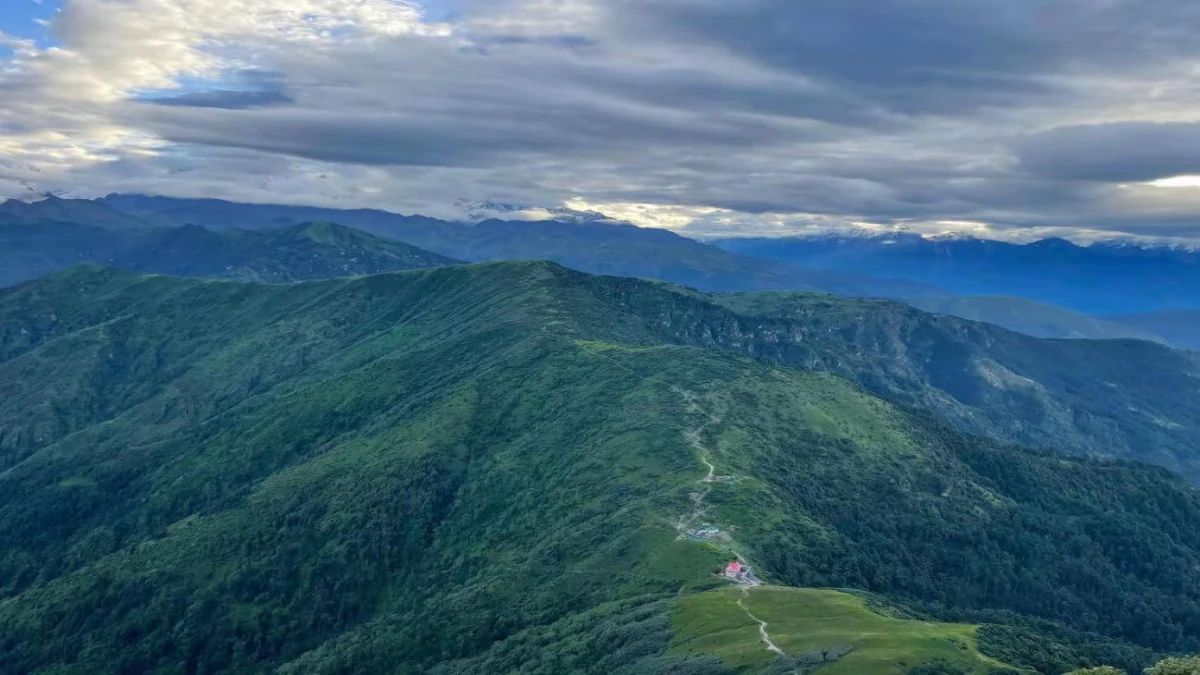
  • Nature Everywhere: Trekking trail of Pikey Peak is full of rhododendron forests, streams, and terraced fields. 
  • Short & Sweet: 6 days trek to Pikey Peak is enough. It’s not too long and not too short. 
  • Comfortable Trek: This trek includes teahouses, simple food, and friendly guides. You can explore villages, foods, and enjoy your trek.

How to Reach Pikey Peak

Reaching Pikey Peak is also a part of the adventure. It is not complicated, but it is a mix of flight, road, and walking. And honestly, the journey itself is beautiful.

The journey starts in the early morning from Kathmandu, where we will take a drive from Kathmandu to Dhap village. This drive takes around 7-8 hours, depending on the road conditions. Roads are rough but scenic. You pass through hills, rivers, and small villages. Then our trek starts from Dhap. From here, it’s all walking through forests, villages, and quiet paths.

After a few days of trekking through Jhapre, Jasmane, and nearby settlements, you’ll reach Pikey Peak for an early sunrise. Morning is cold, but the view makes everything worth it. Now, you trek back towards Phaplu, where the trek ends. From Phaplu, we drive back to Kathmandu. Even if you came back from your trek, the memories will remain with you forever. This route keeps the trek short, efficient, and scenic. 
Pikey Peak Trek - 6 Days Itinerary

Trip PlanExpand all
  • Driving Distance: ~230 km
  • Driving Time: 8-9 hours

Today you’ll start early from Kathmandu with a long drive on winding roads, hills, rivers, and villages passing by. In the evening, we’ll reach Dhap Village, which is quiet and cool. It is a perfect place to rest before trekking begins.

Max Altitude: ~2,850 m (Dhap Village) Meals: Breakfast, Lunch, and DinnerAccommodation: Tea House / Lodges
  • Trekking Distance: ~8 km
  • Trekking Time: 4-5 hours

This is the day when trekking begins, the first day on foot. You’ll start on a slow pace, through forest trails, and prayer flags, and views also slowly open up. After walking sometimes, you’ll reach Jhapre village. Jhapre gives you your first real Himalayan feeling. You can roam around the village, talk with locals, and spend your overnight here. 

Max Altitude: ~2,920 m (Jhapre) Meals: Breakfast, Lunch, and DinnerAccommodation: Tea House / Lodges
  • Trekking Distance: ~9 km
  • Trekking Time: 5-6 hours

Today's trek starts from Jhapre. The trail is quieter today with dense forests, cooler air, and a steady climb all day. You’ll reach the base camp by afternoon. The night is cold here. Stars are everywhere. You can rest here and have a good sleep. Tomorrow is finally the summit day, get ready for this.

Max Altitude: ~3,640 m (Pikey Peak Base Camp) Meals: Breakfast, Lunch, and DinnerAccommodation: Tea House / Lodges
  • Trekking Distance: ~12 km
  • Trekking Time: 6-7 hours
  • Maximum Altitude: ~4,065 m (Pikey Peak)

Today is the day we waited for. We need to start early today with headlamps on. Start slow with an uphill climb. Sunrise hits Everest, Makalu, and Kanchenjunga. It feels stunning. Silence is everywhere, and it is magical. When you reach here, your journey feels worth it. You’ll leave your heart here and descend through peaceful ridges and forests to Jasmane. This is a long but rewarding day.

Max Altitude: ~3,540 m (Jasmane) Meals: Breakfast, Lunch, and DinnerAccommodation: Tea House / Lodges
  • Trekking Distance: ~10 km
  • Trekking Time: 5-6 hours

Todays trail gently descends through forests and open valleys. Villages appear quietly along the way. As you walk closer to Junbesi, the landscape feels more alive. Mani walls, prayer wheels, and monasteries have stood still for centuries. Junbesi is one of the most important Sherpa villages in the region. This place is peaceful, cultural, and full of stories. It is a perfect place to relax after a long summit day.

Max Altitude: ~2,700 m (Junbesi) Meals: Breakfast, Lunch, and DinnerAccommodation: Tea House / Lodges
  • Trekking Distance: ~6 km
  • Trekking Time: 2-3 hours
  • Driving Distance: ~260 km
  • Driving Time: 8-9 hours

This is the final morning. Trails feel easier today. Take a gentle walk through villages and farmland. There is no rush; you can soak in the last views. When you reach Phalpu, the trek officially ends. Then the long drive back to Kathmandu begins. Hills roll by, rivers follow the road, and mountains slowly disappear. By evening, you’re back in the city, but you’ll carry the mountains with you. 

Max Altitude: ~2,413 m (Phalpu) Meals: Breakfast and Lunch
Couldn't find what you're after?Reach out to our travel experts.
Customize Trip

Cost Details

Includes

Transportation

  • Ground transportation from Kathmandu to Dhap Village
  • Ground transportation from Phalpu to Kathmandu
  • All local transfers as per the itinerary

Accommodation

  • Teahouse/lodge accommodation during the trek
  • Twin-sharing rooms
  • Basic but clean and comfortable lodges

Meals During the Trek

  • Daily breakfast, lunch, and dinner during trekking days
  • Freshly cooked local meals at teahouses
  • Vegetarian options available

Guide & Porter Service

  • Experienced, government-licensed trekking guide
  • Porter service (shared, based on group size)
  • Guide and porter salary, food, accommodation, and insurance

Permits & Paperwork

  • TIMS Card
  • Required local trekking permits
  • All government taxes and service charges

Safety & Support

  • Basic first-aid kit during the trek
  • Assistance in case of emergencies
  • Trek briefing before departure

Excludes

  • International airfare to and from Nepal
  • Nepal visa fees
  • Travel and rescue insurance
  • Personal expenses (snacks, drinks, hot showers, charging, Wi-Fi)
  • Tips for guide and porters
  • Personal trekking equipment
  • Extra costs due to weather, road, or itinerary changes
  • Anything not mentioned above

Essential Information

Difficulty Level & Fitness Requirement for Pikey Peak Trek

Difficulty Level of Pikey Peak Trek

The Pikey Peak Trek, 6 days, is considered a moderate trek. This trek is not too hard but not too easy either. It is just right for most people.

  • Suitable for beginners and intermediate trekkers
  • No technical climbing or special skills needed
  • Trails are well-marked but include some steep uphill and downhill sections
  • Average walking time is 4-6 hours per day
  • Maximum altitude reaches 4,065 meters, high but manageable
  • Altitude gain is gradual, giving your body time to adjust

Fitness Requirement for Pikey Peak Trek

You don’t need to be super athletic for Pikey Peak Trek. Just reasonably fit and willing.

  • Basic physical fitness is enough
  • Ability to walk for several hours a day with breaks
  • Light cardio experience helps (walking, stairs, jogging)
  • A strong mindset matters more than muscles
  • No prior trekking experience required

If you can enjoy long walks and stay positive when tired, you’ll be fine. Take slow steps and deep breaths; mountains take care of the rest.

Best Season for Pikey Peak Trek

The Pikey Peak Trek can be done most of the year. But some seasons are clearly better. Clearer skies. Better views. Easier walking.

  • Spring (March to May): It is one of the best times to trek Pikey Peak. Rhododendron forests are in full bloom, trails feel colorful. The weather is also stable this time. Mountain views are clear, especially in the mornings.
  • Autumn (September to November): Another top season. This season brings crisp air, blue skies, and clear mountain visibility. Days are pleasant, while nights are cold but comfortable. Perfect time for trekking.
  • Winter (December to February): Winter brings cold, especially in the mornings and nights. Snow may appear near Pikey Peak. Only a few trekkers are seen this time. This season is good for those who like solitude and don’t mind the cold.
  • Monsoon / Summer (June to August): Monsoon is the least recommended. Rain makes trails slippery. Clouds often block mountain views. Leeches are found in forest areas. So, this is not an ideal season to trek in Nepal.

For the best experience, spring and autumn are the safest choices. These season gives better weather, better views, and better memories.

Food & Accommodation during Pikey Peak Trek

Life on the Pikey Peak trail is simple but comfortable. You’ll eat well, you’ll sleep warm, and that’s what matters.

Accommodation during Pikey Peak Trek

  • Stay in local teahouses and lodges along the trail
  • Rooms are basic, clean, cozy, and usually twin-sharing
  • Blankets are provided, but nights can get cold, so an extra layer helps
  • Shared bathrooms in most places, and hot showers are also available sometimes, for a small cost
  • Local families run these teahouses and lodges. There are friendly, welcoming people, and you’ll feel at home.

This is not a luxury, but it feels real. And after a long day of walking, it feels just right when you reach your cozy room.

Food during the Peaky Peak Trek

  • Three meals a day are available during the trek: breakfast, lunch, and dinner
  • Foods are mostly local and freshly cooked.
  • Dal bhat is common. It is filling, reliable, and gives energy
  • Other options are available, which include noodles, fried rice, soups, eggs, potatoes, bread, and pancakes
  • Tea, coffee, and hot drinks are available in teahouses

Menu choices get simpler as you go higher. That’s normal, but it is still tasty, still enough to keep you going. Food is warm, and accommodation is simple. And somehow, that’s all you really need in the mountains.

Packing List & Trekking Gear

You need to pack smart while trekking in Nepal, not too heavy because mountains don’t care about extra stuff.

Clothing

  • Lightweight trekking shirts 
  • Warm fleece or insulated jacket
  • Down jacket for mornings and nights
  • Trekking pants 
  • Thermal base layers (top & bottom)
  • Waterproof jacket/rain shell
  • Comfortable underwear and socks 
  • Warm hat or beanie
  • Sun hat or cap
  • Gloves 

Footwear

  • Good-quality trekking boots (already broken in)
  • Sandals or light shoes for evenings
  • An extra pair of socks 

Trekking Gear

  • Backpack or daypack (30-40L)
  • Trekking poles (helpful on steep downhill)
  • Sleeping bag (recommended, especially in colder seasons)
  • Headlamp or torch with extra batteries
  • Water bottles or hydration bladder
  • Sunglasses

Personal Items

  • Sunscreen and lip balm
  • Basic toiletries
  • Personal medications
  • Small first-aid kit 
  • Wet wipes/tissues
  • Hand sanitizer

Documents & Essentials

  • Passport
  • Trekking permits (but keep a copy)
  • Cash in small notes (ATMs not available)
  • Phone and power bank

Optional but Useful

  • Camera or GoPro
  • Power bank or solar charger
  • Snacks (energy bars, chocolates, nuts)
  • Earplugs

Pikey Peak Trek - 6 Days FAQs

Yes, the Pikey Peak trek is moderate and beginner-friendly. No technical climbing is needed, and if you’re reasonably fit, then you can walk for several hours a day, and you’ll be fine.

The highest point is Pikey Peak at 4,065 meters. Altitude gain is gradual, which helps with acclimatization.

No, previous trekking experience is not necessary for Pikey Peak Trek because first-time trekkers can do this trek. A positive mindset matters more than experience.

You’ll stay in local teahouses and lodges. Rooms are basic but clean, and twin-sharing and shared bathrooms in most places.

Mostly local meals like dal bhat, noodles, rice, soups, eggs, potatoes, and bread are available during the Pikey Peak Trek. Food is freshly cooked, and vegetarian options are also easily available.

The best seasons to do the Pikey Peak trek are spring (March-May) and autumn (September-November) for clear skies and stable weather.

The risk of AMS in the Pikey Peak trek is lower compared to other higher treks, but it’s still possible. Walking slowly, staying hydrated, and listening to your guide helps a lot.

Yes, the travel insurance that covers trekking and emergency evacuation is mandatory during the Pikey Peak trek.

Yes, Pikey Peak can be done alone, but going with a guide is safer and more informative. It also helps with navigation, culture, and local interaction.

Pikey Peak trek is much less crowded than the Everest Base Camp trek. It includes quiet trails, peaceful villages, more nature, and less noise.