Mardi Himal Trek 5 Days

Mardi Himal Trek 5 Days
Quick Overview
Trip GradeModerate
CountryNepal
Maximum Altitude4,500 m
Group Size1-20
StartsPokhara
EndsPokhara
ActivitiesTrekking
Best TimeSpring and Autumn

Mardi Himal Trek Overview

The Mardi Himal is a short and beautiful destination for trekking in Nepal.Mardi Himal Trek gives you a lot more than you expect. This is a 5-day trek that starts from Pokhara. This trek includes fewer travel days and less stress. You’ll just walk through a peaceful trail. The first day of your trek feels easy. You’ll walk through forest trails, small villages, and stone steps.

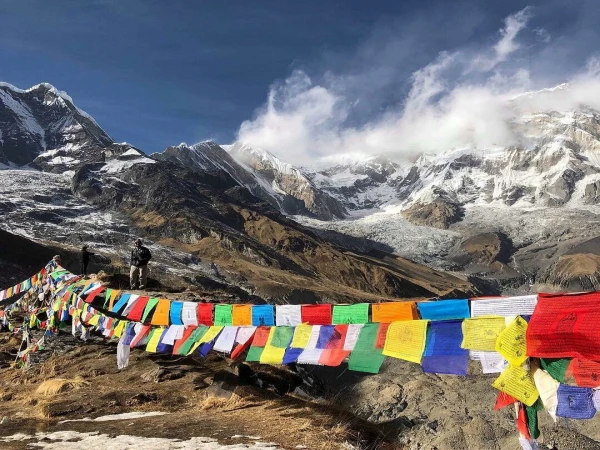
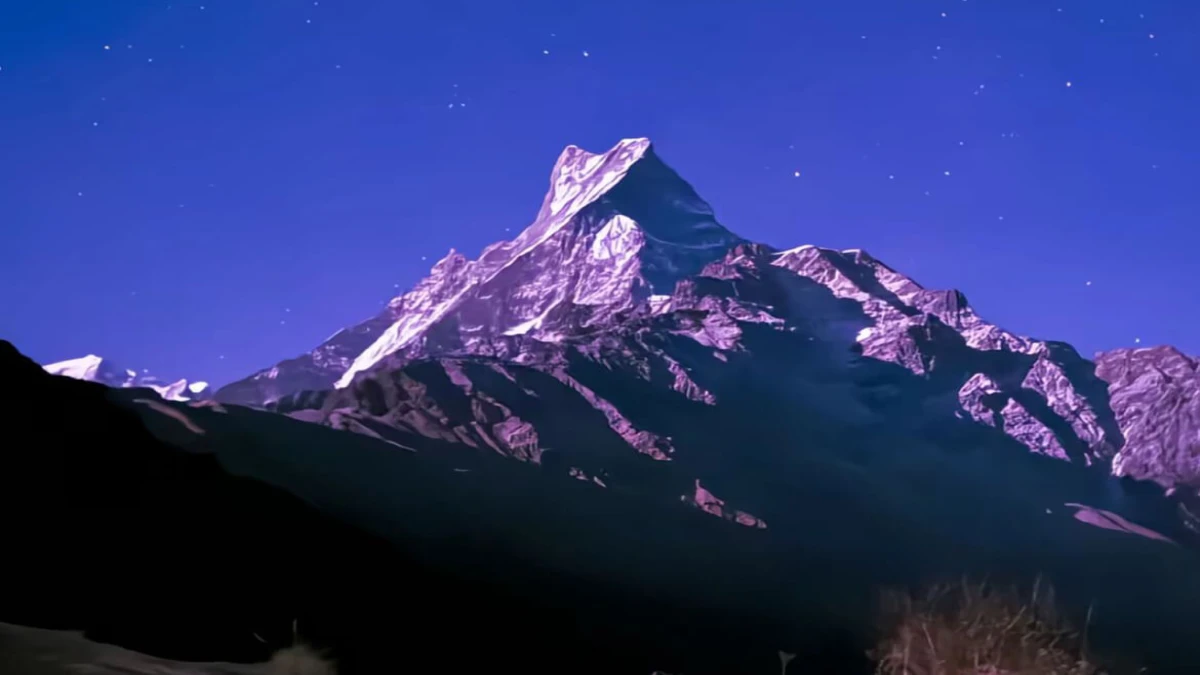
As the days pass, things change, trees start thinning out, and the air feels colder and quieter. You’ll reach Low Camp, and then High Camp. Views slowly start to open up. Machhapuchhre appears again and again in front of your eyes. When you reach the Mardi Himal Base Camp, it is something else. You’ll start early today. The trail feels long, but it’s worth it. The stunning mountains like Annapurna South, Himchuli, and Macchapuchre are right in front of you. There is no crowd and no noise. Just wind, mountains, and you. This is the best feeling. 

This Mardi Himal trek works well for beginners, too. You don’t need experience, just decent fitness and a calm pace is enough. Teahouses are simple here, beds are basic, and foods are warm. After a long day of walking, this feels enough.

The return trail after the Mardi Himal trek goes down to Sidding village. It is a different route, where you can enjoy more local life, feel raw and real. Then drive back to Pokhara, and somehow, the trek stays in your head longer than five days. It remains with you forever, and you’ll love this feeling.

Why should you choose the Mardi Himal Trek?

If you want a trek that feels real, not rushed, not crowded, just mountains, silence, and a good kind of tired, then you should choose the Mardi Himal Trek. This trek gives you everything that you want.

  • It is a short but rewarding trek. This trek fits perfectly if you don’t have weeks to spare. Just five days are enough, yet it feels like a full Himalayan journey.
  • The Mardi Himal trek is a less crowded trail compared to other popular treks of Nepal. You’ll walk in nature with peace. 
  • You’ll also get to see the close-up mountain views. Machhapuchhre, Annapurna South, and Hiunchuli show up often, especially near High Camp and Base Camp.
  • Mardi Himal is a beginner-friendly trek in Nepal. There is no technical climbing needed, and no past trekking experience is needed. If you’re reasonably fit, you’re good to go on this trek.
  • It is also a budget-friendly trek.  It has a short duration, which means it will cost less. But still has a high-value experience.
  • The Mardi Himal trek is a perfect mix of nature and local life. It includes forests, ridges, and quiet villages like Sidding. It feels raw and real.

Mardi Himal Trek Distance and Duration

The Mardi Himal is ashort trek in Nepal. This trek is short in both walking and driving. Which makes it even better. The total trekking distance is around 40-45 km, spread over five days. You’re not walking all day, every day. Most days are around 4 to 6 hours on the trail. It is a slow climb along forest paths, ridge walks, and plenty of pauses in between.

The drive starts from Pokhara, it’s about a 1-1.5 hour drive to Kande on the first day. It is a short drive. After the trek, you’ll drive back from Sidding to Pokhara, the drive takes around 3-4 hours, depending on the road conditions. It’s bumpy sometimes, but it’s a scenic drive.

The longest and toughest day during the Mardi Himal Trek is usually the base camp day. This day starts with an early morning hike. It is a tiring day, but it’s not that extreme if you take it slow. Overall, 5 days in Mardi Himal feels right. You’ll walk enough, you’ll rest enough, and you’ll still get to see the big mountains without pushing too hard.
Mardi Himal Trek 5 Days Itinerary

Trip PlanExpand all
  • Driving Distance: ~25 km, 1-1.5 hrs
  • Trekking distance from Kande to Deurali: ~8–9 km,  4-5 hours

Today, your journey begins. After breakfast, you’ll leave Pokhara behind and start a short and scenic drive that takes you to Kande. Kande is the starting point of the trek. From here, the trail climbs steadily through stone steps and small villages. Pothana is your first proper stop. Pothana has nice views, tea houses, and a good place to breathe and adjust. After Pothana, the trail becomes quieter and greener. Deurali welcomes you with cool air and peaceful surroundings. Overnight in a cozy teahouse of Deurali.

Max Altitude: 2,100 m Meals: Breakfast, Lunch, and DinnerAccommodation: Tea House
  • Trekking distance from Deurali to Low Camp: ~6-7 km, 4-5 hours

Today you’ll wake up in Deurali. The day starts slowly. The trek is mostly through dense forest, especially rhododendrons. The trail gradually goes uphill, but nothing extreme. You might feel the altitude slightly. Just walk slowly. Low Camp is surrounded by forest, and clouds often float around. Nights are colder than days here. After a long walk, you’ll have simple meals and sleep early.

Max Altitude: 2,970 m Meals: Breakfast, Lunch, and DinnerAccommodation: Tea House

Trekking distance from Low Camp to High Camp: ~5–6 km,  4-5 hours

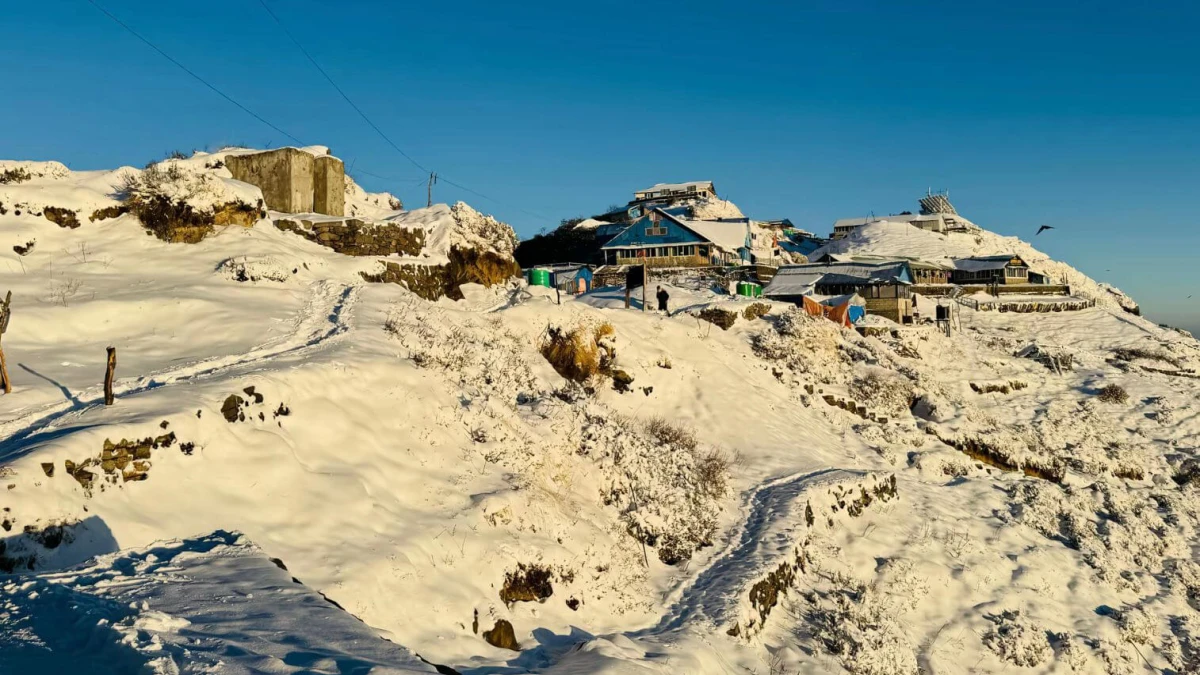
This day is shorter in distance but more demanding. The trail gets steeper and more open. Trees start disappearing. Views slowly appear. Machhapuchhre starts showing its sharp face. Annapurna South peeks through the clouds. You feel higher now. Air thinner. Steps slower. High Camp sits on a ridge. Windy. Cold. But the sunset here? Worth every step.

Max Altitude: 3,580 m Meals: Breakfast, Lunch, and DinnerAccommodation: Tea House
  • Trekking Distance from High Camp to Sidding:  ~14-16 km, 7-8 hours

This is the big day of your trek. You’ll wake up early in the cold morning and start walking with a headlamp on. The trail to Base Camp is narrow and exposed in some parts. But the views are massive. At Mardi Base Camp, you’ll stand face-to-face with Machhapuchhre, Annapurna South, and Hiunchuli. This is a beautiful feeling. After spending some time there, you start the long descent towards Sidding. The trail changes completely. There is more greenery, small farms, local houses, and fewer tourists. Sidding feels warm and welcoming after a long day.

Max Altitude: 4,500 m (Mardi Himal Trek) Meals: Breakfast, Lunch, and DinnerAccommodation: Tea House
  • Driving Distance from Sidding to Pokhara: ~45-50 km, 3-4 hours

After breakfast, you’ll get into a jeep. The road is rough in some sections, but it's scenic. You’ll pass villages, rivers, and terraced fields. Slowly, the mountains fade behind you. By afternoon, you’re back in Pokhara. The trek ends here. But the feeling stays.

Max Altitude: 822 m Meals: Breakfast and Lunch
Couldn't find what you're after?Reach out to our travel experts.
Customize Trip

Cost Details

Includes

Transportation

  • Drive from Pokhara to Kande (trek start point)
  • Drive from Sidding back to Pokhara (trek end point)
  • All local transportation as per the itinerary

Permits and Documentation

  • Annapurna Conservation Area Permit (ACAP)
  • TIMS card
  • All required local and government taxes

Accommodation 

  • Teahouse/lodge accommodation during the trek
  • Basic but clean rooms on a twin-sharing basis

Meals

  • Three meals a day during trekking days
  • Breakfast, lunch, and dinner as per the lodge menu

Guide and Support

  • Licensed, experienced trekking guide
  • Guide’s food, accommodation, salary, and insurance
  • Basic first-aid kit carried by the guide

Taxes and Service Charges

  • All applicable government taxes
  • Company service charges

Excludes

  • International airfare and Nepal visa fees
  • Travel insurance (must cover trekking up to 4,500 m)
  • Personal trekking gear and equipment
  • Hot showers, Wi-Fi, charging, and bottled drinks during the trek
  • Snacks, alcoholic beverages, and extra drinks
  • Tips for guide 
  • Any cost not mentioned in the “Cost Includes” section

Essential Information

Difficulty Level of Mardi Himal Trek

The Mardi Himal Trek is not easy, but it’s not extreme either. It’s a moderate trek. There’s no climbing involved in this trek. No ropes and no technical stuff. You’ll just walk uphill most of the time. Most days, you’ll spend four to six hours on the trail. Some days feel light, and some days don’t. The base camp day is the real test. You’ll wake up early in the morning and take a long walk up, then a long way down again. It feels really long. 

The trail of the Mardi Himal Trek changes a lot. You’ll walk through forest paths, stone steps, and narrow ridges. After Low Camp, the climb gets steeper, and the air gets thinner, too. Around High Camp and Base Camp, near 4,500 meters, you’ll feel it. Breathing changes, your pace slows, and that’s normal.

This trek works for beginners and families, too. But only if you’re reasonably fit. You don’t need to be an athlete, but you need to be someone who can walk for hours and won’t panic when it gets hard. Weather can add drama, too. Mornings can be cold, the wind is strong, and some days feel tougher than planned.

Physically, the Mardi Himal trek pushes you, but mentally, it teaches patience. Once you’re up there looking at the mountains, the struggle suddenly makes sense and feels worth it.

Best Time to Do the Mardi Himal Trek

The Mardi Himal Trek can be done almost every time of the year. But let’s be honest, some seasons are just better.

  • Spring season (March to May): This is a favorite season for most of the trekkers. And it's for good reason. The forests are alive, and rhododendrons are everywhere. The weather stays mostly stable, days are warm, and nights get cold, but it's manageable. Mountain views are clear on most mornings.
  • Autumn season (September to November): Autumn is probably the best time of all. This season brings clear skies, sharp mountain views, less rain, and dry trails. It feels perfect, almost too perfect sometimes. This is also the busiest season, though. But it is still quieter than major treks, and you won’t be alone.
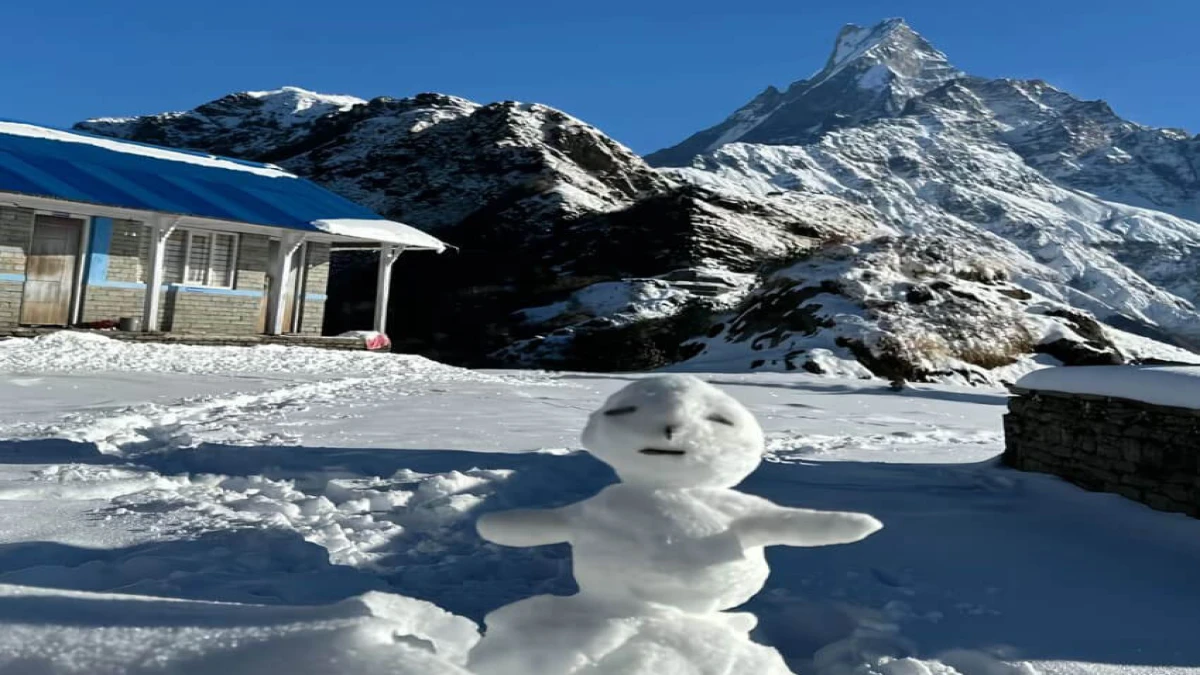
  • Winter season (December to February): Trekking to Mardi Himal is possible, but it’s really tricky. It’s very quiet during this season. It’s really cold this time. Snow is near High Camp and Base Camp. The views are stunning on clear days, but the weather changes fast. Winter is not ideal for beginners unless you’re prepared well.
  • Monsoon Season (June to August): This season is not the best choice. It is rainy, the trails are slippery, and clouds hide behind the mountains. Leeches are all over the forest. So, this season is less recommended.   

Cost of Mardi Himal Trekking Package

The Mardi Himal Trek usually costs from USD 300 to USD 400 per person for a 5-day trek. The price depends on group size, season, level of service, and whether you choose a private or shared trek. Peak seasons usually cost more, and private treks with fewer people also come at a slightly higher price. This is normal. 

Accommodation and Meals During the Mardi Himal Trek

Accommodation during the Mardi Himal Trek

The accommodation during the Mardi Himal Trek is mostly in teahouses and lodges. These tea houses have basic rooms, beds, and blankets. Nothing is fancy, but it's warm. It is enough to rest after long walking days. Some places have hot showers too. Electricity is limited, and the phone signal is patchy in a few villages. But honestly, that’s the charm. You’re away from the noise and crowds. At night, it feels cozy, simple, and real. You fall asleep with the wind outside and wake up to mountain views. That’s part of the experience.

Meals during the Mardi Himal Trek

Foods during the Mardi Himal trek are simple but filling. You’ll enjoy filling Dal Bhat and vegetables. Sometimes eggs, noodles, and soups. Hot tea, coffee, or cocoa keeps you warm in the mornings or after long hikes. Some days, the menu might feel repetitive. The food fills you up, and honestly, it tastes better when you’ve been walking all day. Sharing meals with fellow trekkers while watching the sun set behind Machhapuchhre? This is an unforgettable feeling. The food is basic but reliable. It gives enough energy for the trek. And the warmth of a hot meal after hours of walking feels priceless.

Required Permits for Mardi Himal Trek

To do the Mardi Himal Trek, you need a couple of permits. Don’t worry about getting them yourself. We’ll manage these permit works for you, so that you can have a tension-free journey. You just need your passport and some photos.

  • Annapurna Conservation Area Permit (ACAP): An ACAP is a mandatory permit. It helps to protect the trails, wildlife, and environment. You’ll get a small card and a receipt. Keep it safe because officials might check it at the start or on the trail.
  • Trekking Information Management System (TIMS) Card: The TIMS Card is basically like your trekking ID. It shows if you’re registered or not.

Packing List for Mardi Himal Trek

Clothing

  • Warm jacket
  • Fleece or warm mid-layer
  • Trekking pants
  • Thermal innerwear
  • T-shirts and long-sleeved shirts
  • Gloves, a warm hat, and a sun hat 
  • Socks

Footwear

  • Trekking boots
  • Camp shoes or sandals

Gear

  • Backpack for day hikes (25-35L) 
  • Water bottle or hydration bladder
  • Headlamp
  • Trekking poles
  • Sunglasses
  • Sunscreen & lip balm

Miscellaneous

  • Passport & permits
  • Camera or phone
  • Snacks, like energy bars, nuts, etc 
  • Toiletries, like a toothbrush, toothpaste, and wet wipes
  • First-aid kit that includes band-aids, painkillers, and any personal meds

Pro tip: Don’t overpack because teahouses provide beds, food, and some essentials. Just bring what you really need. Carry light and walk happily.

Why should you book the Mardi Himal Trek with Himalayan Partner?

  • We have years of experience in trekking, so we know every corner, shortcut, and the best photo spots of the trail.
  • We’ll handle all kinds of accommodation, meals, transport, and permit works. So, there is no stress for you, you can just walk and enjoy.
  • We have friendly and experienced guides. They’ll keep you safe, help with altitude, cheer you on, and make the trek fun.
  • You can walk slowly at a flexible pace or take extra photo breaks. Rest longer at Base Camp. It’s your trek, so you’ll decide. 
  • We’ll keep you in comfortable and clean teahouses that give you warm meals
  • Our guides have all the local knowledge; they’ll show you real village life, culture, and hidden spots most trekkers miss.
  • We focus on making your experience unforgettable, not just ticking boxes.

Mardi Himal Trek 5 Days FAQs

The Mardi Himal Trek lies in the Annapurna region of Nepal, just east of Annapurna Base Camp. It starts near Pokhara and quickly takes you into quieter mountain trails.

The trek can be done in 4 to 7 days, but 5 days is the most balanced option. Enough time to enjoy the views without rushing or exhausting yourself.

Mardi Himal is a moderate trek. No technical climbing is needed, just steady uphill walking. If you’re reasonably fit and can walk 5-7 hours a day, you’ll be fine.

Yes. As per Nepal trekking regulations, a licensed guide is required. And honestly, it makes the trek smoother, safer, and more enjoyable.

You need two permits:

  • Annapurna Conservation Area Permit (ACAP)
  • TIMS Card
     

You’ll stay in local teahouses where they have simple rooms, twin beds and clean bathrooms in higher areas. Accommodation is not luxury, but it’s warm and welcoming.

The highest point is 4,500 m at Mardi Base Camp. Some people may feel mild symptoms. Walking slowly, staying hydrated, and proper acclimatization usually keep it under control.

Spring (March-May) and Autumn (September-November) are the best times to do the Mardi Himal Trek. This season brings clear views and stable weather.