
Ghandruk Village is a beautiful Gurung settlement in Nepal’s Annapurna region, known for Himalayan views, cultural heritage, trekking routes, and authentic village life.
Ghandruk Village: Complete Travel Guide
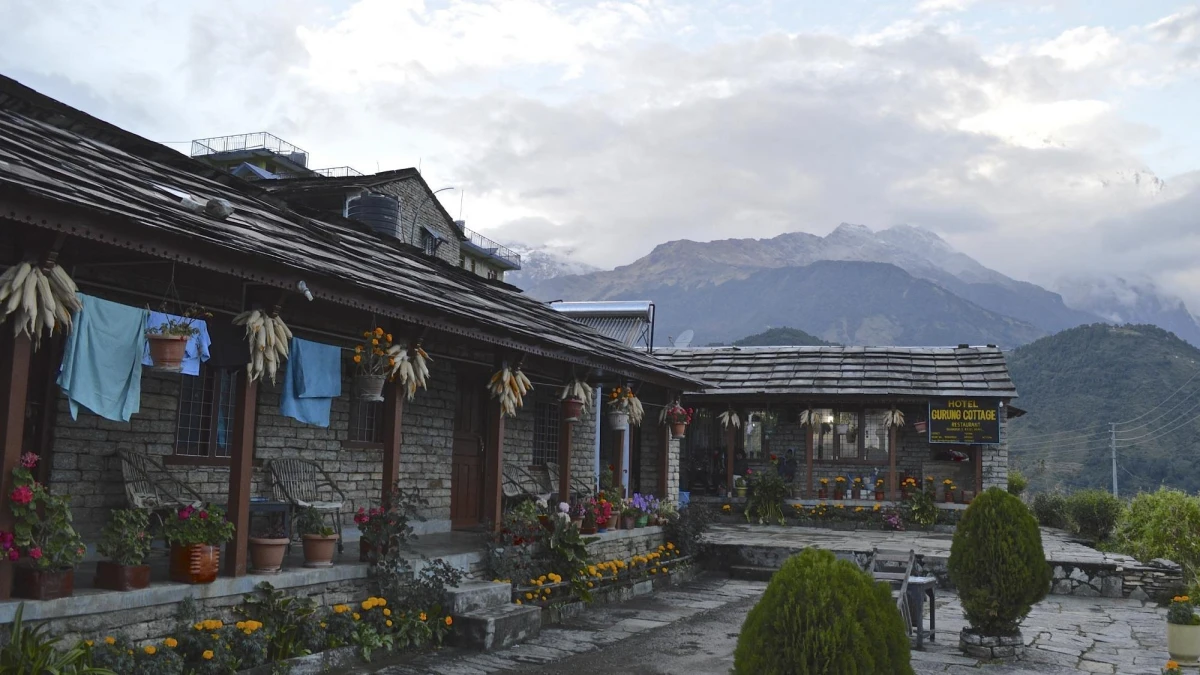

Ghandruk Village is one of the most popular and beautiful villages in the Annapurna region of Nepal. It is famous for its traditional Gurung culture, stone houses, friendly locals, and stunning mountain views.
Many travelers visit Ghandruk for trekking, sightseeing, and to experience local village life. This guide explains everything about Ghandruk Village, including history, culture, trekking, accommodation, food, sightseeing, and travel tips.
Whether you are a trekker, solo traveler, or visiting from Pokhara, this guide will help you plan your trip.
Where is Ghandruk Village Located?
Ghandruk is located in Kaski District, about 32 kilometers northwest of Pokhara. It lies in the Annapurna Conservation Area, surrounded by forests, hills, and mountains.
Ghandruk is an important stop on trekking routes like the Poon Hill trek and the Annapurna Base Camp trek, making it accessible for both short trips and longer treks. The village sits on a hill, providing breathtaking views of the surrounding Himalayan peaks.
History and Culture of Ghandruk
Ghandruk is a traditional Gurung village, home to the Gurung people for generations. The Gurungs are known for their rich culture, traditions, and hospitality. The village has stone houses with slate roofs and narrow pathways, reflecting traditional architecture.
Locals celebrate festivals with music, dance, and traditional clothing. Visitors can also explore the Gurung Museum, which showcases tools, household items, clothing, and cultural history. This makes Ghandruk a hub for learning about local traditions.
Culture and Festivals in Ghandruk
The Gurung community in Ghandruk celebrates several traditional festivals throughout the year. Some of the main festivals include:
Lhosar: The Gurung New Year, celebrated with music, dance, and traditional food.
Teej: A festival for women, marked by fasting, singing, and dancing.
Dashain and Tihar: Major Nepalese festivals celebrated with family gatherings, rituals, and decorations. During these festivals, visitors can see locals in traditional clothing, enjoy cultural performances, and experience the strong sense of community in the village. Traditional music, dances like Ghatu and Sorathi, and rituals are important parts of these celebrations.
Trekking Routes Through Ghandruk
Ghandruk is a hub for trekking in the Annapurna region. Popular trekking options include:
- Ghandruk to Poon Hill trek: A short and easy trek suitable for beginners. Offers stunning sunrise views over Annapurna South and Machhapuchhre.
- Annapurna Base Camp trek via Ghandruk: Longer trek passing through several villages and forests. Offers a combination of culture and adventure.
- Day hikes around Ghandruk: Short walks to viewpoints, waterfalls, and nearby villages. Ghandruk can also be visited on a short trip from Pokhara without trekking far.
Best Time to Visit Ghandruk Village
The best times to visit Ghandruk are:
- Spring (March–May): Clear skies, blooming flowers, and moderate temperatures.
- Autumn (September–November): Stable weather, clear views of mountains, and vibrant village life.
- Winter: Cold but peaceful, fewer tourists. Monsoon (June–August): Lush greenery, but trails may be slippery and muddy. Visitors should prepare for changing weather in the mountains.
How to Reach Ghandruk Village
There are two main ways to reach Ghandruk:
- By jeep: From Pokhara, jeeps go to Kimche or Nayapul, followed by a short walk to the village.
- By trekking: Trekking from Nayapul or Phedi allows travelers to enjoy forest paths, waterfalls, and small villages along the way.
Both options are scenic, but trekking provides a more immersive experience of the local environment.
Accommodation in Ghandruk Village
Ghandruk has a range of lodges and homestays. Rooms are simple but clean, with basic amenities like warm blankets and hot water in some places.
Many lodges provide local food and tea, and staying in a homestay gives visitors a chance to see local life up close. Booking in advance is recommended during peak seasons.
Food in Ghandruk Village
Food in Ghandruk is fresh, simple, and filling. Popular meals include:
- Dal Bhat: Rice with lentils and vegetables, the staple of Nepalese cuisine.
- Noodles and soups: Easy and warming for trekkers.
- Local tea: A perfect drink while enjoying mountain views.
- Many lodges serve vegetarian-friendly options. After trekking, a warm meal and tea are a favorite experience for visitors.
Things to Do in Ghandruk Village
- Visitors to Ghandruk can enjoy walking through the village, exploring stone houses, narrow paths, and flower pots. Watching sunrise and sunset.
- The mountain views are spectacular during early morning and evening. Visiting Gurung Museum, Learn about the history and traditions of the Gurung people.
- Capture the village life, mountains, and forests. Talk to locals and observe traditional practices.
Permits Required for Visiting Ghandruk
Since Ghandruk is inside the Annapurna Conservation Area, visitors need the following permits:
- ACAP (Annapurna Conservation Area Permit): Required for all trekkers entering the Annapurna region.
- TIMS (Trekkers' Information Management System) Card: Needed for all independent trekkers.
Permits can be obtained in Pokhara at the Nepal Tourism Board or at the starting point of the trek (Nayapul). Make sure to carry your permit while trekking as authorities may check along the trail.
Mountain Views from Ghandruk
Ghandruk provides clear views of several famous peaks, including:
Annapurna South, Machhapuchhre (Fishtail), and Hiunchuli. Sunrise and sunset views are especially beautiful and popular among photographers and trekkers.
Travel Tips for Visiting Ghandruk
Wear comfortable shoes for walking on stone paths. Dress modestly and respect local culture.
Carry cash, as ATMs are not available. Bring warm clothes during winter or early spring. Keep a water bottle and snacks for short hikes.
Follow marked trails and respect nature.
Need Help? Call Us+977 9851053265orChat with us on WhatsApp
Latest Travel Blogs
Travel Tips
Oct 08, 2026
Ghan
Travel Tips
Oct 01, 2026
Ghan
Travel Tips
Sep 22, 2026
Ghan
Need Help? Call Us.+977 9851053265