
Introduction of Peak Trekking Season in Nepal
Are you thinking about trekking in Nepal? First thing you’ll hear is “peak season.” The peak trekking season in Nepal is Autumn and Spring. This is the time when the mountains shine with clear skies, crisp views, and perfect weather.
But during peak seasons, not all mornings are quiet, and paths are empty. This is the time when roads are busy, flights are packed, and you need to share jeeps with dozens of trekkers. Trails are crowded sometimes, and tea houses fill up fast. You might wait for a room or share a table at dinner. Peak season brings little chaos its fun too.
You’ll meet people from everywhere around the world. You’ll share stories, laugh together, and make many new friends. Mountains look stunning and still stare at you, but now there’s chatter around, and it feels alive. Peak season gives you the best chance for perfect views, an epic sunrise, and smooth weather. But it also teaches patience. Sometimes you walk slower, sometimes you need to wait. And that’s okay. Because the mountains are still the same and magical.
When Are the Peak Trekking Seasons in Nepal?
The trekking trails of Nepal change their mood every season. You need to pick the right time that suits you. Let’s discuss the trekking seasons of Nepal in Detail:
- Spring (March-May): This is a beautiful season to trek in Nepal. The mountains wake up, and rhododendrons are everywhere. The weather is perfect. Not too hot, and not too cold. Trails and teahouses are busy. You’ll see groups, solo trekkers, and photographers everywhere. So, book early if you want to trek in the spring season.
- Autumn (September-November): The autumn season brings golden months. The sky is open, and the mountain views are clear. Trails are packed during this season. Prices of the tea houses might go up, too. You get the best views, but you also get the crowds.
- Winter (December-February): The winter season comes with cold and silence. There are few trekkers, teahouses are almost empty, and snow covers the high passes. This season is best for short or mid-altitude treks. You’ll love the peace, but you need to pack layers.
- Monsoon (June-August): Monsoon season brings rain, mud, and slippery paths. There is also a risk of landslides. It is better to avoid this season, but if you love adventure and wet shoes, you can give it a try.
Tip: If you want good views, fewer people, and comfy weather, then early spring or late autumn can be your sweet spot.
Roads and Transportation During Peak Season in Nepal
Nepal’s roads during the Peak seasons, like Spring and Autumn, it changes its mood. You can expect chaos. Buses are packed, jeeps are full, and flights are booked weeks ahead. Kathmandu, Pokhara, and Lukla are the hotspots. Everyone’s heading towards the mountains during these seasons. Traffic jams are normal. Getting to your trek becomes a mini adventure. It tests your patience. But eventually you’ll reach your trailhead. And the mountains make it all worth it.
Tips:
- Start your day early.
- Give extra travel time. Roads will take longer than Google says.
- Book flights and long-distance buses early.
- Keep snacks and water.
Trails and Tea Houses during Peak Trekking Seasons in Nepal
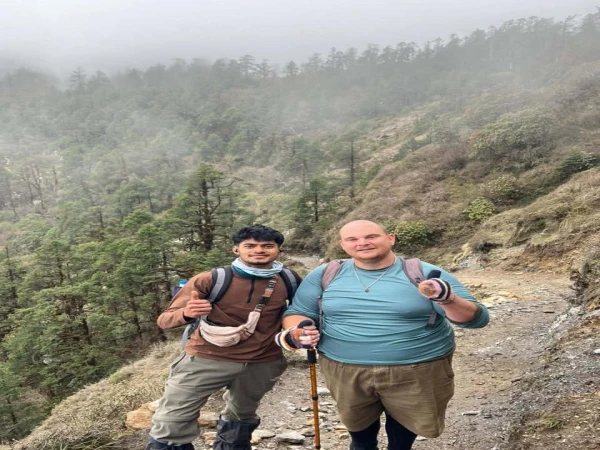
Trails in the spring and autumn seasons are busy and often full. You’re not the only one with a backpack and a camera. There are many groups of trekkers, solo trekkers, families, and photographers, all over the place.
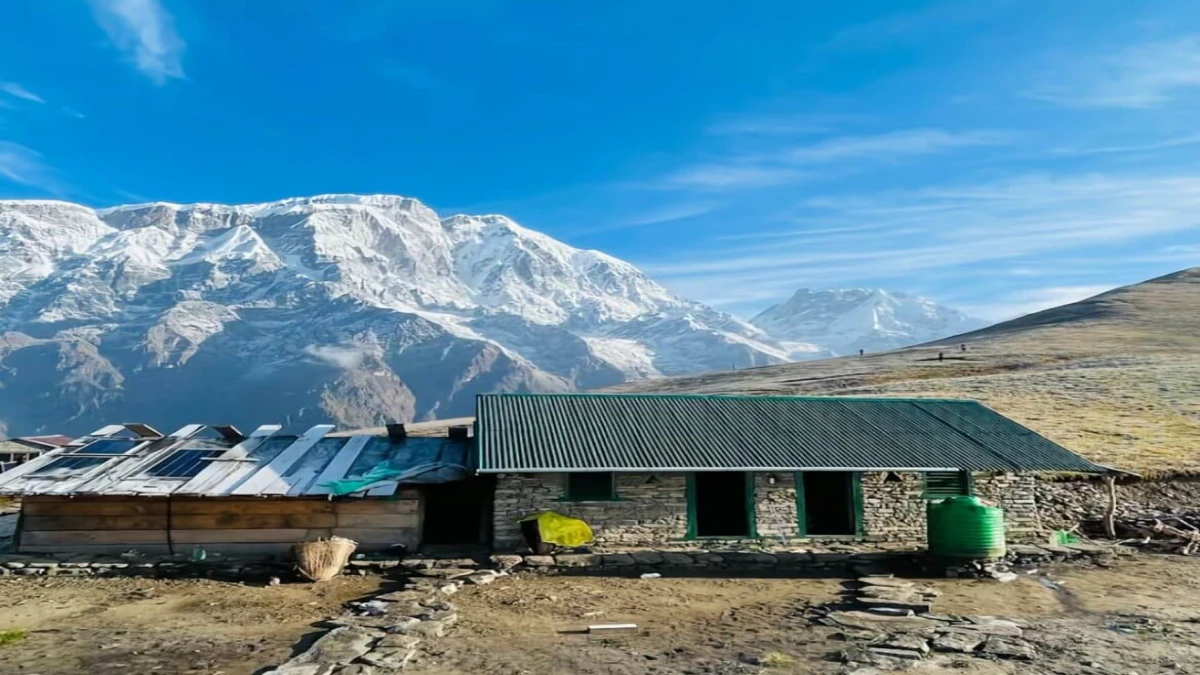
Tea houses are often full during peak seasons. You’ll go in hoping for a bed, but often it’s full, and yes, sometimes the dining room becomes your bedroom too. But don’t worry, Nepali people will usually find you a room if they can. Breakfast lines can be long. But the local dal bhat is always worth it.
Yes, there are crowds during Peak season, but there’s a charm too. You’ll meet people from everywhere around the world, share stories, and enjoy together.
Tips to survive peak season in Nepal:
- Start trekking early in the morning. In the morning, there are quieter trails and fewer crowds.
- Book tea house beds in advance when possible.
- Carry cash. Small tea houses rarely take cards.
- Be flexible because some days you may have to sleep in a shared room.
- Keep snacks and water handy. Lines for food can be long.
- Smile at fellow trekkers because they’re in the same struggle as you are.
Yes, it’s busy. But the mountains don’t care. They just stand there, waiting. And after a long day, that view makes all the crowds worth it.
Price During the Peak Season Trekking in Nepal
Peak trekking seasons in Nepal bring perfect weather. But the price comes higher this season.
When more trekkers arrive, everything gets a little expensive. It’s a simple rule of travel. More demand means higher cost. Tea houses on popular routes like Everest Base Camp or Annapurna Base Camp start filling up fast. Rooms that were cheap in quiet months suddenly cost more. It is not crazy expensive, but you’ll notice it.
Food prices can go up, too. Remember, everything in the mountains is carried up by porters, mules, sometimes even yaks. So when the trails get busy, the price of dal bhat, noodles, tea, all that stuff slowly climbs. But it's still tasty.
Flights to Lukla Airport get booked quickly during Peak Season. Jeeps and buses heading toward trekking regions also raise prices a bit. If you wait till the last minute, then it's hard to find a seat.
But honestly, most trekkers don’t mind paying a little extra. The weather is stable, and the mountains look unreal. So, paying a little extra is definitely worth it. Those big Himalayan views make people forget the extra few dollars.
Some simple tips to handle peak season prices:
- Book flights and transportation early. Really early if you can.
- Carry enough cash for the trek. ATMs are rare in the mountains.
- Try trekking slightly before or after the busiest weeks.
- Look at less crowded routes if you want cheaper options.
Weather and Mountain Views During Peak Season in Nepal
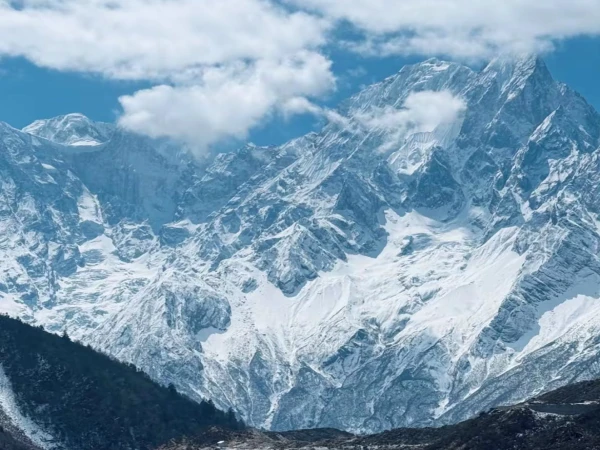
Peak seasons in Nepal are Spring and Autumn. These seasons are famous because the weather behaves nicely this time of year. Mornings usually start clear. You step outside the tea house, and the mountains are just there, standing big, sharp, and unreal. Trekkers stop walking for a second just to stare.
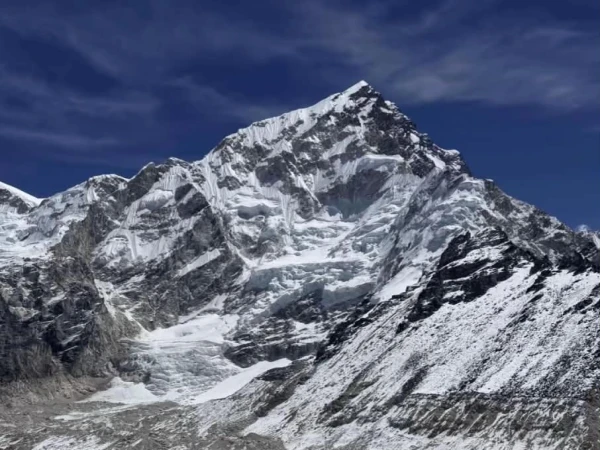
During spring (March-May), the temperature feels comfortable. It’s not too cold, not too hot. Rhododendron forests start blooming along many trails in red, pink, and sometimes white. The views of peaks like Mount Everest and Annapurna I look amazing when the sky stays clear.
Autumn (September-November) is even more famous. The monsoon rain washes the dust away, so the air becomes very clean. Visibility is great. On many days, the mountains look incredibly sharp, almost too perfect to be real.
A few simple tips for better mountain views:
- Wake up early. Sunrise is the time when the mountains look the clearest.
- Start trekking early in the morning before clouds build up.
- Carry sunglasses and sunscreen because the sun is strong at altitude.
- Keep your camera ready. Good views can appear suddenly.
Peak season gives trekkers the best chance to see the Himalayas clearly. And when those snowy peaks appear in the morning light, the whole trek feels worth it.
Tips for Trekking During Peak Seasons
Peak seasons in Nepal are amazing. They give you clear skies and great views. But also crowds, busy trails, and full tea houses. So a little preparation helps a lot.
- Start your day early: Mornings on the trail are quieter. The air is fresh, and the mountains are usually clear before clouds slowly roll in.
- Book important things early: Flights, especially to Lukla Airport, fill up quickly. Same with popular trekking routes like Everest Base Camp and Annapurna Base Camp. Waiting until the last minute can be stressful.
- Carry enough cash: Many villages in the mountains don’t have ATMs. Card payments are rare, too. So, cash is still king on the trail.
- Be flexible: Sometimes, tea houses are full. Sometimes food takes longer because many trekkers ordered at the same time. It happens, so relax, talk to other trekkers, and enjoy the moment.
- Pack light but smart: The weather can change quickly in the mountains. Warm layers, rain protection, and good trekking shoes are always important.
- Be patient: Trails are busy during peak seasons. But that also means meeting people from around the world, sharing stories in tea houses, and making the journey more memorable.
Trekking in Nepal during peak season can feel lively, sometimes chaotic. But that energy is also part of the adventure.
Should You Trek During Peak Season?
Yes, you should trek during Peak Season. But also it depends on you. Peak seasons in Nepal are during the Spring and Autumn seasons; they are famous for a reason. The weather behaves most days. Skies stay clear, the mountains show up properly, and big views of peaks like Mount Everest or Annapurna I are much more likely.
But here’s the other side. Trails get busy. You’ll see trekkers ahead of you, behind you, resting at the same tea houses. Some people love this energy. It feels lively, and you’ll make new friends. For first-time trekkers, though, peak season is usually the easiest time to go. The weather is more stable, and trails are active. Tea houses stay open and ready. Everything just runs smoother.
Still, if crowds bother you, you should go a little earlier or a little later. Same mountains, fewer people. So, should you trek during peak season? For many people, yes. The views are incredible, the conditions are good, and the trails feel alive.