
Introduction to trekking in the Annapurna Region of Nepal
Trekking in the Annapurna Region of Nepal is one of the most popular trekking experiences. And this is for a good reason. The Annapurna region gives more than mountains. It gives a beautiful contrast. In just a few walking days, the landscape changes completely. From green forests and deep river valleys to dry high-altitude trails and snow-covered passes. Everything is packed into this trekking region.
The Annapurna region lies in central Nepal and includes some of the best trekking routes in Nepal. Annapurna Circuit Trek, Annapurna Base Camp Trek, Tilicho Lake Trek. You can go wherever you want, from short treks to long high-pass adventures. The trails are well established, but the journey still feels natural. Villages still feel lived in, yaks still cross the trail, and prayer flags still move with the wind.
What makes the Annapurna region trek special is accessibility. Roads are close, lodges are comfortable and luxury trekking is possible without losing the mountain feel. This is why trekking in the Annapurna region suits beginners, experienced trekkers, and travelers looking for a luxury Himalayan trek.
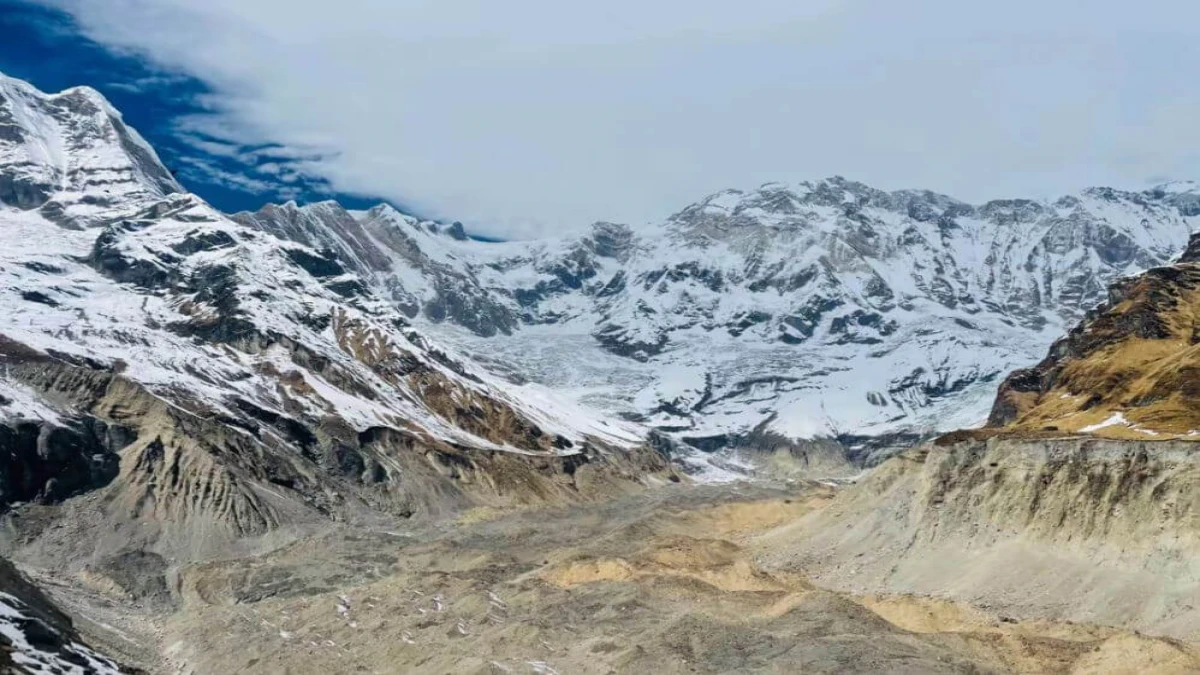
The mountains stay close in this region. Annapurna I, Annapurna II, Annapurna III, Dhaulagiri, Machhapuchhre and many other. They don’t hide in the distance, but they appear while walking or while resting. Trekking in Nepal’s Annapurna region feels personal, slow, and rounded.
This complete guide to trekking in the Annapurna region of Nepal covers everything needed before starting the journey. Best trekking routes, difficulty levels, altitude, best time to trek, permits, accommodation, and practical trekking tips. Whether planning a short trek or a long circuit, this guide helps you to make clear decisions before stepping onto the trail.
Why Should You Choose the Annapurna Region for Trekking?
The Annapurna region is one of the most visited trekking destinations in Nepal. And honestly, this region deserves that attention too. It’s not just mountains, it’s about the journey that gives you variety. Landscapes change fast here. You get everything in this region, like adventure, culture, and comfort. Annapurna has something for everyone.
Diverse landscapes in one trekking region
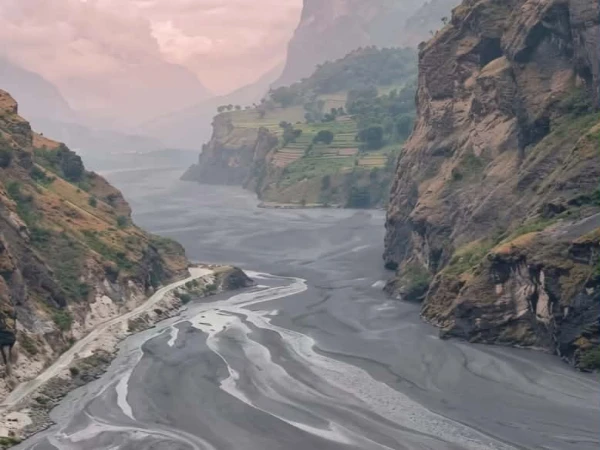
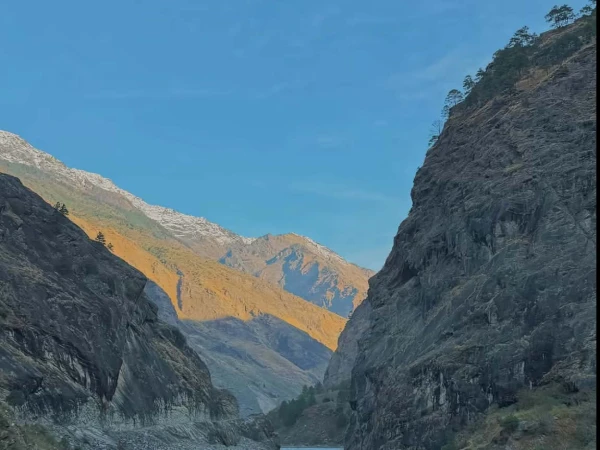
The Annapurna region has some of the most diverse trekking landscapes in Nepal. Forests, rivers, high-altitude trails, and snow. Each day brings a new view. Every trek feels different. You’ll never get bored here. Even on long circuits like the Annapurna Circuit Trek or Tilicho Lake Trek, the scenery keeps changing. So it feels fast, and it’s beautiful too.
Close-up Himalayan views of Annapurna, Dhaulagiri, and Machhapuchhre
The mountains stay close in the Annapurna region. Views of Annapurna I, Annapurna II, Annapurna III, Dhaulagiri, and Machhapuchhre are beautifully seen. They don’t hide far away. You’ll see them while walking, while resting, and sometimes even from your lodge. Views like these are rare in Nepal. Trekking here feels personal, intense, and real.
Rich Gurung & Thakali culture
The Annapurna region not only gives you Himalayan views, but it also shows the local life of villagers, stone houses, monasteries, prayer flags, and small markets. The Gurung and Thakali culture is everywhere around the Annapurna region. You can notice and feel this culture. That’s the difference between trekking in the Annapurna region and other trails.
Suitable for beginners to experienced trekkers
The trails of the Annapurna region are well-marked. Lodges and tea houses are almost everywhere. First-timers can handle short hikes, experienced trekkers can tackle long circuits, high passes, or even luxury trekking options. Annapurna region works for everykind of trekkers without losing the Himalayan feel.
Best Treks in the Annapurna Region
The Annapurna region has some of the most famous trekking routes in Nepal. And they’re famous for a reason. Each trek feels different. Some are long, and some are short. Some go high and tough, while others stay gentle and slow. You don’t need to fit into one box here. The Annapurna region gives options.
Annapurna Circuit Trek
This is the classic trek in the Annapurna Region. It is long, demanding, and worth it. The Annapurna Circuit Trektakes you around the entire Annapurna range. The landscape keeps shifting from green valleys in the beginning to dry air in Manang. You’ll also pass the biggest Thorong La Pass. Crossing it feels unreal. Villages, rivers, and mountains stay with you for days during the Annapurna Circuit Trek.
Annapurna Base Camp (ABC) Trek
The Annapurna Base Camp Trek is a beautiful and most famous trek of Nepal, and it goes straight into the mountains. It is an ideal destination that highly offers a diverse culture and scenarios of numerous sparkling peaks. Step by step, the walls close in, and forests, stone villages, and glaciers open up. Then suddenly, you’re standing at base camp where Annapurna I is right in front of you. Machhapuchhre is behind you, and it is quiet all around. Trekking to Annapurna Base Camp will definitely be your best decision ever.
Mardi Himal Trek
Mardi Himal Trekis one of the quieter and less crowded trails in the Annapurna Region. The trail climbs through forests and open ridges. Machhapuchhre stays close here; it feels like it is watching you walk. It’s not a long trek, but the views feel big and peaceful. The Mardi Himal trek is perfect if you want something calm without going too remote.
Ghorepani Poon Hill Trek
Ghorepani Poon Hill Trek is simple and short. And that’s why people love it. It’s one of the best short treks in the Annapurna region. An early morning hike to Poon Hill for a beautiful sunrise makes it special. The Annapurna and Dhaulagiri ranges are glowing in front of you. They are turning golden with the sun's rays. The Poon Hill trek has easy trails and comfortable lodges. This trek is great for beginners.
Tilicho Lake Trek
Tilicho Lake Trek is for those who want to feel the high altitude and drama. The trail branches off from the Annapurna Circuit and climbs higher with steep paths, wide skies, and cold winds. Reaching Tilicho Lake feels unreal. Tilicho Lake is one of the highest lakes in the world. It feels so quiet and powerful. You’ll definitely love this trek.
Best Time to Trek in the Annapurna Region
Timing really matters while trekking in the Annapurna Region. And it matters a lot more than people think. If you choose the wrong season, the mountains hide. One right season and they show everything. So let’s discuss how every season is different in the Annapurna Region.
Spring Season (March-May)
The spring season feels alive in Annapurna. Trails wake up, forests turn red and pink with rhododendrons. You’ll walk through these beautiful forests and feel lucky to see them. Mornings are mostly clear during this season, but afternoons get a little moody sometimes. Temperatures are comfortable, not too cold and not too hot. The spring season just feels right for trekking. It is perfect if you want colors, views, and the best feeling.
Autumn Season (September-November)
Autumn Season is the safe and classic choice. After the monsoon washes everything clean, the mountains come out sharp and proud. This season comes with blue skies, long views, and no drama. The weather stays stable this time with dry trails. Tea houses are busy this time, sometimes it feels crowded. But then the sun hits Annapurna at sunrise, and you forget everything. Autumn is reliable, predictable, and beautiful.
Winter Season (December-February)
The winter season brings peace with it. There are fewer trekkers, and the trails are empty this time. Days can be sunny and very clear. But nights are really cold. Snow blocks high passes like Thorong La sometimes, so plan change fast in winter. Lower routes are still possible and peaceful but only perfect for experienced trekkers and for those who can bear the cold.
Monsoon Season (June-August)
Monsoon Season is really tricky. It brings rain, slippery trails, and leeches appear where you least expect them. Mountains hide behind clouds for days. But the land turns green and fresh. This season tests patience. Monsoon is less recommended for trekking in the Annapurna region.
Annapurna Region Trekking Difficulty
Trekking in Annapurna never feels the same every time. Some days are gentle, while some days ask more from you. Routes like Ghorepani Poon Hill or the Dhampus trek feel friendly and easier from the start with short walks, stone steps, and warm tea houses. While treks such as Annapurna Base Camp and Mardi Himal are considered moderately difficult trek ofAnnapurna region. In these treks days stretch longer, uphill sections might test your patience and altitude becomes noticeable at night. But you adapt slowly.
Then there’s the serious side of Annapurna, too, where you can go to the high altitude treks like Annapurna Circuit and Tilicho Lake. Here in the higher altitude, the air gets thin with cold mornings, long, quiet walks where breathing needs focus. The weather decides the pace. You learn respect here. But beyond the difficulty, these trek gives you so much in more.
To be honest, the route doesn't matter because preparation changes everything. You need to practice walking before the trek, do some short hikes, and do some exercises. You also need to take acclimatization seriously, don’t rush, and give your body time, then you can do any kind of treks of Annapurna region.
Permits Required for Trekking in the Annapurna Region
While trekking in the Annapurna Region, you’ll need some permits too. Here are the required permits to trek here.
- Annapurna Conservation Area Permit (ACAP):ACAP is mandatory for all trekkers. This permit helps to protect the environment, wildlife, and local communities.
- Trekkers’ Information Management System (TIMS) Card: This card helps to confirm you’re a registered trekker. It helps you in emergencies during the trek.
- Additional Local Permits: Some trails may require extra local permits but ACAP and TIMS cover most popular treks like Ghorepani Poon Hill, Annapurna Base Camp, and Annapurna Circuit.
- Tips: Always carry your permits during the trek. Lost permits can cause delays or fines.
Accommodation & Food in the Annapurna Region
While trekking in Annapurna, your food and accommodations play a vital role. Where you rest and what you eat bring a vast change in your journey. Most trails are lined with tea houses and lodges, which include simple rooms, warm blankets, and friendly locals. Some have hot showers while some don’t. But every place gives you a sense of being at home in the mountains.
Food in the Annapurna Region is mostly simple Nepali foods like dal bhat tarkari (rice, lentils, and curry), momo, noodles, and soups. After a long day of walking, even a simple meal tastes incredible. Energy food like chocolate, biscuits, and tea is everywhere, keeping you fueled between stops. Prices rise slightly as you go higher. Villages like Ghorepani, Chhomrong, or Muktinath offer more variety, but also cost a bit more.
Tips for trekkers:
- Carry snacks for long stretches.
- Water purification tablets help when bottled water is scarce.
- Respect local food customs, tea houses are family-run, and every rupee counts here.
Cost of Trekking in the Annapurna Region
Trekking in the Annapurna region can be done on different budgets. Costs depend on the length of the trek, type of accommodation, food, transport, and guide services.
- Permits:ACAP and TIMS together cost around $40-$50.
- Accommodation: Tea house rooms range from $5-$15 per night. Hot showers or private rooms cost extra.
- Food: Meals cost $3-$10 depending on location and dish. Dal bhat is cheap and filling.
- Guide & Porter: Hiring a guide costs $30-$50 per day. Porters are $20-$40 per day.
- Transport: Bus or jeep from Pokhara to the trailheads ranges from $5 to $20.
Budget trekkers can manage around $30-$40 per day. While luxury or guided packages can go for $100-$200 per day. You don’t need to overspend to enjoy Annapurna, but spending smartly makes the trek smoother and safer.
Transportation & Access to the Annapurna Region
Getting to Annapurna is part of the adventure, too. It is not complicated, but you have a few choices. Most treks in the Annapurna Region start in Pokhara, the main gateway. From Kathmandu, you can reach Pokhara by tourist bus, local bus, or a short flight. Buses are cheaper and scenic, but flights save time, but it is expensive than the bus.
From Pokhara, the road takes over. Depending on your trek, you’ll travel to places like Nayapul, Kande, Ghandruk, Besisahar, or Jomsom. Local buses are budget-friendly but slow. Jeeps are faster and more comfortable, especially on rough roads. Road conditions change with the season. After the monsoon, some routes get muddy. In peak season, transport can feel crowded. But no matter how you travel, access to Annapurna is straightforward. It is a little bumpy sometimes, but always worth it.
Safety Tips for Trekking in the Annapurna Region
- Walk slowly and acclimatize properly: Don’t rush altitude gain and take rest days seriously.
- Watch for altitude sickness, headache, nausea, and dizziness are warning signs so descend immediately if symptoms worsen.
- Check weather conditions daily: The weather changes quickly in the mountains so carry warm layers and rain protection.
- Stay on marked trails: Avoid shortcuts because landslides and loose paths are common.
- Drink plenty of water because dehydration increases altitude risk. Also, use water purification tablets or filters.
- Hire a guide or porter if needed. It is helpful for navigation, safety, and emergencies, especially recommended for beginners.
- Carry basic first aid and essentials like medicines, sunscreen, lip balm, and a headlamp.
- Inform someone about your trek plan, share your route, and return date, because the mobile signal is limited in some areas.
Final Thoughts on Trekking in the Annapurna Region
Trekking in the Annapurna Region is more than a journey. It’s an experience that stays with you forever. From easy village walks to high mountain passes, the Annapurna region offers something for every kind of trekker. The trails challenge you, slow you down, and reward you in unexpected ways. Sometimes with views and sometimes with quiet moments.
With the right preparation, the right season, and a respectful pace, the Annapurna region becomes welcoming. You don’t need to rush because the mountains aren’t going anywhere. If you listen to your body and respect the land, Annapurna gives back generously. If you have any questions related to Annapurna Region Trekking, you can ask Himalayan Partner anytime.