
I asked everyone how difficult the Annapurna Base Camp trek is before booking. Scrolled blogs, watched videos, and read those guides. Most said the same thing: that it’s moderate, doable, or beginner-friendly. But I knew moderate could mean anything. Easy for some and a struggle for others, so I went anyway.
I started my ABC trek from the lower trails with warm air and green hills. Everything felt light and easy. But it slowly changed to long walks and to stone steps that don’t seem to end. It’s not like a single moment hits you hard, the difficulty builds slowly.
Some mornings feel amazing. The sky is clear, your legs feel fresh, and you’re in a good mood. While some afternoons feel longer than they should. Breathing and legs get slightly heavier. And you start realizing this isn’t just a walk in the mountains. It’s a consistent effort every single day.
The Annapurna Base Camp trek is moderately difficult. It involves 5-7 hours of daily walking, steep stone stairs, and an altitude up to 4,130m, making it manageable for beginners with good fitness.
Nothing is extreme or technical, but it’s not something you can ignore either. If you’re here to understand the real Annapurna Base Camp trekdifficulty, then here’s my honest guide. I went there with a simple expectation, but came back with a very different understanding.
My Honest Experience: How Difficult the ABC Trek Actually Felt
My Annapurna Base Camp Trek started easily at a comfortable pace. It was just walking through villages, forest trails, and occasional climbs. Nothing was crazy. I was talking, laughing, and taking photos every few minutes. It felt like a normal hike.
Then the stairs started showing up, especially around Chhomrong. My legs didn’t complain immediately, but they remembered for a long time. That’s when I first paused and thought, okay, this is not as easy as people say.
As we moved higher, things got quieter. There were fewer trees, an open landscape, colder air, and breathing started to change. Not in a scary way, but it was noticeable. You’ll start to walk slowly, and you’ll stop more often, even when you don’t want to.
By the time I reached Machapuchare Base Camp, I wasn’t exhausted dramatically. I didn’t have any breakdowns, but it felt like my body was working in the background all the time. That’s the best way I can explain it.
The Annapurna Base Camp trek doesn’t hit you with one big challenge. It’s a small effort that is repeated every day. Wake up, walk, climb, descend, and repeat. This is when I get to know the real Annapurna Base Camp Trek difficulty.
Some moments felt really good in clear views, fresh air, and that peaceful silence. And then some stretches felt endless, like the trail just keeps going and going. There is no extreme struggle, but also no really easy days after a point. It’s like a slow build-up. You won't feel like stopping, and, weirdly, that’s what makes it satisfying too.
Annapurna Base Camp Trek Difficulty Level Explained
If you search for Annapurna Base Camp trek difficulty, you’ll see one word everywhere: moderate. And yes, that’s true, but also it's not completely true, because the ABC trek difficulty level depends on who you are.
- For beginners: It feels slightly above moderate but not impossible. You’ll feel the long days, feel the stairs, and yes, you’ll feel the altitude too. Yes, beginners can do the ABC trek, but with effort.
- For someone with basic trekking experience: This is where the trek sits perfectly. It's challenging enough to feel real and easy enough to enjoy. You understand pacing, you can manage your breath better, and the overall Annapurna Base Camp trek difficulty level feels balanced.
- For experienced trekkers: It is manageable. Compared to higher altitude treks likeEverest Base Camp, the ABC trek difficulty feels lighter. Altitude is lower, duration is shorter, and you’ll feel less pressure on the body.
Now let’s simplify it even more:
- Walking hours: 5-7 hours daily
- Maximum altitude: 4,130m
- Trail type: stone steps, forest paths, gradual climbs
- Technical difficulty: none
It sounds simple on paper, but it's not that easy either. Some days feel easy, some feel longer than expected, but nothing feels impossible. And that’s exactly why so many people complete it.
Factors That Make the ABC Trek Difficult
It’s not one single thing that makes the Annapurna Base Camp trek feel hard. It’s a mixture of many things. Nothing extreme on its own, but together you’ll feel it. That’s the real Annapurna Base Camp trek difficulty. Small challenges that are repeated every day. Here are the ones that actually matter:
- Long Walking Hours: You need to walk 5-7 hours daily. Sometimes even more. There is no easy day after the start. This is where the ABC trek difficulty level builds, slowly and steadily.
- Endless Stone Stairs: Especially around Chhomrong. The stairs are constantly going up and down. This is more tiring and exhausting than flat trails.
- Altitude Gain: You’ll reach up to 4,130m. Here, the oxygen level might drop, breathing gets heavier, and the pace automatically slows. This is the real Annapurna Base Camp trek altitude difficulty.
- Continuous Ascents and Descents: You’ll not just go up. You go down and then up again. The trail messes with your rhythm and your legs.
- Weather Changes: Mornings can be clear, afternoons can get cloudy, and nights are cold. Unpredictable weather adds to the overall trekking difficulty in Nepal.
- Basic Living Conditions: You’ll not get luxury here. There are simple teahouses, limited food options, and cold rooms at higher altitudes. It is not uncomfortable, but not easy either.
- Mental Fatigue: Your routine will be the same every day. You’ll walk, eat, sleep, and repeat.
- Limited Recovery Time: You wake up and walk again, but your legs don’t fully recover. And that’s where the difficulty quietly builds.
Individually, these difficulties don’t sound serious, but together, they define how difficult the ABC trek experience is.
Is Annapurna Base Camp Trek Suitable for Beginners?
Yes, the Annapurna Base Camp Trek is suitable for beginners. But it takes a lot of effort. This trek is often called beginner-friendly, and technically, that’s true. There is no technical climbing, no dangerous sections, and no ropes. But the Annapurna Base Camp trekdifficulty still shows up. Because beginner-friendly doesn’t mean easy.
If you’re a complete beginner, here’s what actually happens: First few days feel fine. Then the days get longer, the stairs get steeper, and suddenly, the ABC trek difficulty level feels real.
So, yes, the Annapurna Base Camp trek is for beginners, but only if you can walk 5-6 hours daily, don’t rush, and listen to your body. But this is not for you if you expect comfort, underestimate the distance, and ignore altitude. This trek doesn’t require perfection, but it requires consistency.
Annapurna Base Camp Trek Altitude, Difficulty & Acclimatization
Altitude is where the Annapurna Base Camp trek's difficulty quietly increases. It doesn’t hit you suddenly, but it's slow. As you climb higher on the Annapurna Base Camp trek, oxygen drops, and your body notices.
- Around 2,500-3,000m: Breathing feels slightly different, and you slow down without trying
- Above 3,500m: You start taking more breaks, and sleep feels lighter
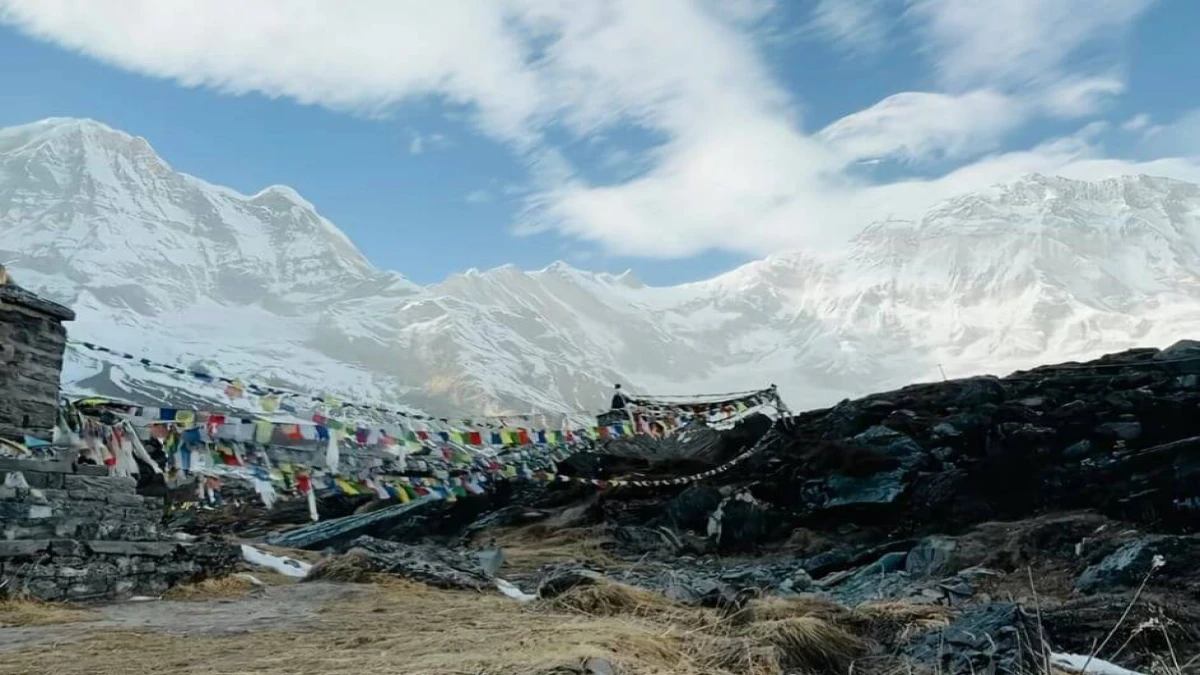
- At 4,130m (Annapurna Base Camp): Everything feels slower, and even simple walking takes effort.
This is the real ABC trek difficulty. It is not dangerous if done right. But definitely noticeable. The good thing is that compared to the Everest Base Camp trek, the Annapurna Base Camp trek altitude is lower, which means there is a lower risk of altitude sickness and easier acclimatization.
For proper acclimatization, you need to walk slowly, stay hydrated, and don’t skip rest days if needed. Because the Annapurna Base Camp trek difficulty level increases fast if you rush.
Fitness Level Required for Annapurna Base Camp Trek
You just need basic fitness for the Annapurna Base Camp trek. You can’t be completely unprepared. You must have basic stamina to walk 10-12 km every day. So, be prepared to walk 5-7 hours comfortably. If you get tired after 1-2 hours of walking, the ABC trek difficulty level will hit you harder. But if you can walk consistently, the trek becomes manageable. This trek is not about strength or speed. It’s about the endurance.
For the Annapurna Base Camp trek, preparation is needed. You should practice daily walking for 1-2 weeks before the trek. Light cardio exercises help a lot. You can also practice stair climbing. This trek doesn’t test your peak strength. It tests your consistency. And that’s the real Nepal trekking difficulty.
Which Part of the Annapurna Base Camp Trek Is the Hardest?
Not the whole trek, just certain sections of the ABC trek, are hard. Thinking of the hardest two places, Chhomrong Stairs and the trail of MBC to ABC came to my mind.
- Chhomrong Stairs: This is where most people feel it first. There are long stone steps, you need to continuously go up and down. Your legs get heavy, and your pace breaks. This is where the ABC trek difficulty level becomes real for many.
- Machapuchare Base Camp to ABC: This one feels different. The altitude is higher here. The air feels cold, and your movement becomes slower. It is more mentally challenging than physically. This section defines how difficult the ABC trek is for most trekkers.
Annapurna Base Camp Trek Difficulty by Season
The Annapurna Base Camp trekdifficulty changes a lot with the seasons. Even on the same trail, you’ll get a different experience in different seasons. During the Spring and Autumn season, you’ll get the best experiences and face fewer difficulties compared to the off-season.
- Spring (March-May): The spring season brings moderate weather conditions, mostly clear skies, and blooming rhododendrons along the trail. The ABC trek difficulty feels moderate. Days are warm, nights cold but manageable. You can enjoy the climb without too much struggle.
- Autumn (Sept-Nov): The weather conditions are crisp and clear during this season. The visibility of the Himalayan ranges is perfect. Autumn is often considered the best trekking season for Annapurna Base Camp. The ABC trek difficulty level is very comfortable this time. There are no slippery trails, no heavy rainfall, and less risk of altitude sickness than in winter.
- Winter (Dec-Feb): The winter season brings really cold temperatures. Trails might be slippery due to snow. This season makes the Annapurna Base Camp trek more challenging because of cold weather, walking feels heavier, nights are freezing, and the body works harder just to stay warm.
- Monsoon (June-Aug): Monsoon brings heavy rain, clouds, and sometimes landslides too. This is when Nepal trekking difficulty feels highest. The ABC trek difficulty level jumps because of unstable trails. It’s not recommended for beginners or those who want a smooth trek.
Tips to Make Annapurna Base Camp Trek Easier
The Annapurna Base Camp trek isn’t extreme. But the Annapurna Base Camp trek difficulty can still catch you off guard. Long walks, stairs, altitude, and cold nights all add up. Here’s how you can make the trek feel easier without skipping the experience:
- Walk Slow: 5-7 hours a day feels less exhausting if you go slow. This reduces fatigue and helps manage the ABC trek difficulty level.
- Stay Hydrated: Drink water constantly, even if you don’t feel thirsty. It helps your body cope with altitude difficulty.
- Take Short Breaks: Stop for 2 to 5 minutes often. Stretch legs, sip water. Keep your pace consistent, as it helps to ease the Annapurna Base Camp trek difficulty.
- Pack Light, But Smart: Every extra kilo makes stairs harder. A light backpack means easier walking and lower perceived ABC trek difficulty.
- Start Early Each Day: Trails are less crowded in the morning.
- Eat Properly: Don’t skip meals, even simple dal-bhat or noodles give you enough energy. Good nutrition reduces the overall Annapurna Base Camp trek difficulty level.
- Listen to Your Body: If you feel tired, take a longer break. Respect your limits because it makes the trek easier without losing the experience.
- Proper Footwear: Use comfortable boots with a grip. Good footwear lowers the Nepal trekking difficulty significantly.
- Mental Preparation: Accept that some days feel harder. Don’t compare with others. Everyone's experience at the ABC trek is different.
Small adjustments like these don’t remove the Annapurna Base Camp trek difficulty, but they make it manageable. You’ll enjoy the journey more, and reach the Annapurna Base Camp feeling capable, not exhausted.
Final Thoughts: Is the ABC Trek Worth the Effort?
So, after understanding the full Annapurna Base Camp trek difficulty, the real question is, is it actually worth it? Yes, it is. The Annapurna Base Camp trek is not the easiest in Nepal. But it’s also not the hardest. The ABC trek difficulty level sits right in the middle, which is exactly why it works for so many people. You don’t need extreme skills, you don’t need technical experience, all you need is effort.
The difficulty is the reason Annapurna Base Camp feels worth it. The Annapurna Base Camp trek for beginners is a challenge, but a very achievable one. For experienced trekkers, it’s a balanced trek. Not too easy and not too extreme. Compared to higher-altitude treks like Everest Base Camp, the ABC trek is more manageable in terms of difficulty.
So, yes, this trek is worth the effort, because it gives you both. A challenge you can handle, and an experience that feels earned. The final truth about the Annapurna Base Camp trek difficulty level is that it won’t stop you, but it won’t let you take it lightly either. And that balance is exactly why the trek stays with you long after you leave.