Best Time for Muldai Viewpoint Trek
While trekking in Nepal, timing matters more than people think. The same goes for Muldai Viewpoint Trek, too. Even in the same trail and the same place, you’ll get a completely different experience depending on the season. Most people choose the popular months like Spring and Autumn. And yeah, they’re popular for a reason.
- Spring (March to May): This is the time when the trail feels alive. Forests are full of red, pink, and white rhododendron. The weather is mostly stable, not too cold and not too hot. Mornings at this short trek in Annapurna are also clear on most days.
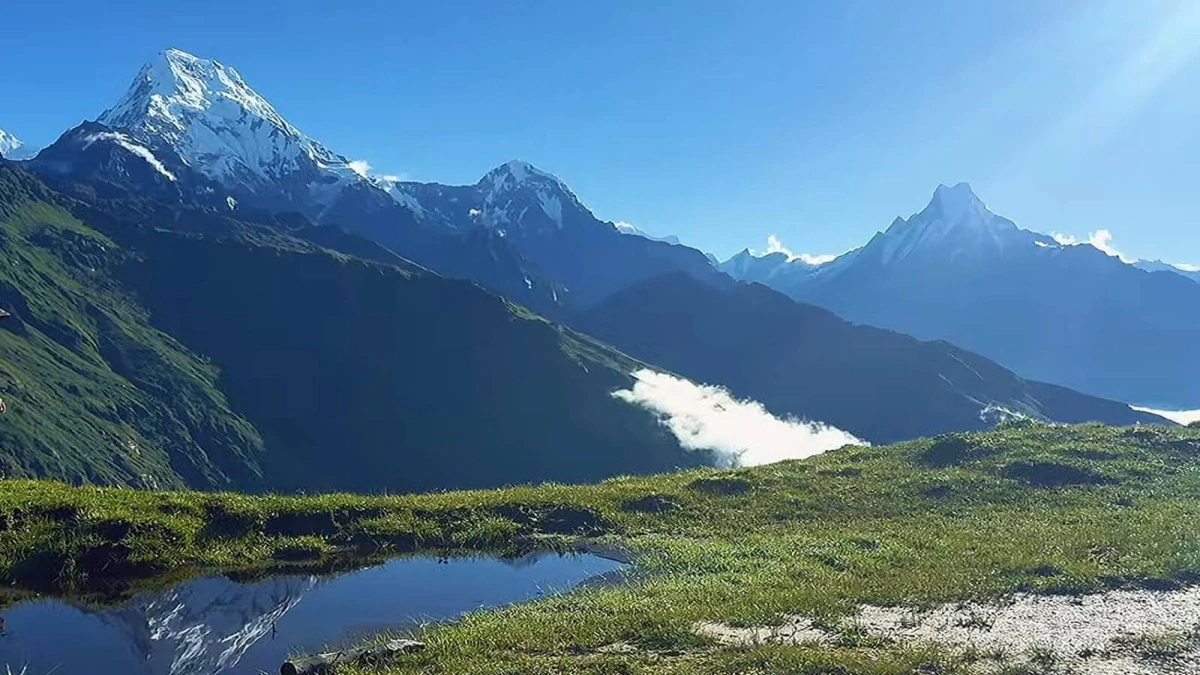
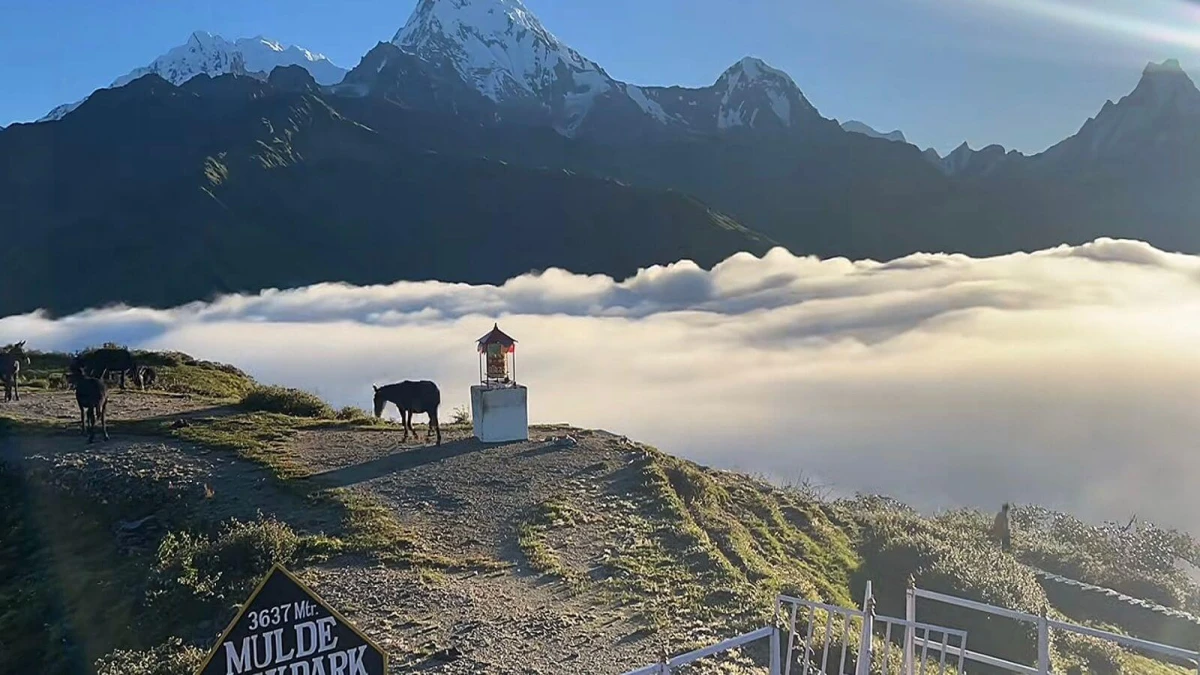
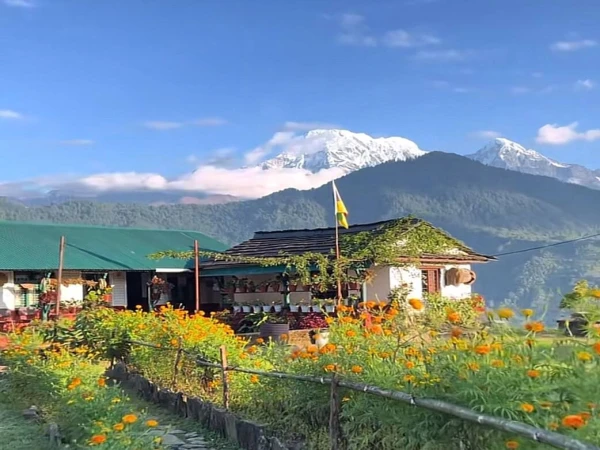
- Autumn (September to November): This season is probably the best. It brings clear skies, sharp mountain views, and very stable weather. Sunrise views of Annapurna South and Dhaulagiri look crisp, almost unreal, on good days. Trails are busier than in the spring, but still manageable.
- Winter (December to February): It is cold during winter, especially in the mornings and nights. But the trails are very quiet. If you don’t mind the cold, this can actually feel more peaceful.
- Monsoon (June to August): This is not the best time for trekking in Nepal. Monsoon comes with rain, muddy trails, and leeches in some sections. Views are often blocked by clouds. You can still go, but expectations should be low.
Muldai Viewpoint Trek Difficulty & Fitness
This Muldai Viewpoint Trek is not very hard, but not too easy either. It lies somewhere in between. You’ll feel it in your legs, especially on the first day. There is no technical climbing, no need for special skills. Just walking, slow and steady, helps you.
Difficulty Level of Muldai Viewpoint Trek
- This trek is easy to moderate. So, it is suitable for beginners, even if it’s your first trek
- Daily walking hours are around 4 to 7 hours. Day 1 and Day 2 might feel longer.
- There are some stone steps and uphill climbs, you’ll need patience there.
- Compared to other treks, the altitude is not extreme. So, there is no high altitude risk.
- Trails are well-marked and safe, which makes it easy to follow with teahouses along the way
Fitness Requirements for the Muldai Viewpoint Trek
- You don’t need to be super fit for this trek. But basic stamina helps a lot.
- You must walk 5-6 hours a day, then you’re good to go.
- Basic leg strength is enough for both uphill and downhill.
- No prior trekking experience required, first-time trekkers can complete.
- Light preparation, like short hikes, walking practice, etc., helps a lot.
You might get tired, your legs might hurt a bit, and breathing gets heavier on climbs but it’s manageable. You need to walk slowly, drink water, and rest. Don’t rush and enjoy the process because that’s how it goes.
Permits Required for Muldai Viewpoint Trek
The permits required for the Muldai Viewpoint Trek are:
- Annapurna Conservation Area Permit (ACAP): This is the main permit for this trek because it lies inside the Annapurna region. It helps protect the environment and supports local communities
- TIMS Card (Trekkers’ Information Management System): This is required for tracking trekkers and safety purposes
Accommodation and Food During the Muldai Viewpoint Trek
On this 4 days Trek, don’t expect luxury hotels or fancy dining. What you get instead is simple, warm, and very local. And that’s part of the experience.
Accommodation on Muldai Viewpoint Trek
You’ll stay in teahouses along the route. The rooms are basic but comfortable. It is usually twin-sharing beds. Blankets are provided, but nights can still feel cold, so you can carry sleeping bags too. Shared bathrooms are provided in most places. Hot showers available in some lodges, but it can add an extra cost.
Places like Ghorepani, Tadapani, and Ghandruk have multiple teahouses with similar setups. Nothing fancy, but clean enough to rest after a long day. At night, it’s quiet. Maybe a few trekkers talking, maybe silence. You sleep early and wake up early, that’s the rhythm here.
Foods on Muldai Viewpoint Trek
Food on Muldai View Point Trek is simple, filling, and made fresh. Common options include Dal Bhat (rice, lentil soup, vegetables), Noodles, fried rice, pasta, soups, omelets, Bread, pancakes, tea, and coffee. Dal Bhat is the most common choice. It keeps you going for long walking days. Meals are available at the teahouses where you stay, so you don’t need to worry about finding separate restaurants.
Packing List for Muldai Viewpoint Trek
Packing smart makes the trek much easier. You don’t need too much gear, just the right essentials. Keep it light, but don’t miss the important items.
Clothing
- Lightweight trekking shirts
- Warm fleece or jacket
- Down jacket (especially in autumn/winter)
- Trekking pants
- Thermal layers
- Innerwear & extra socks
- Waterproof jacket or raincoat
- Warm hat/cap and gloves
Footwear
- Comfortable trekking shoes with good grip
- An extra pair of socks
- Sandals or slippers for the tea house use
Trekking Essentials
- Small backpack (20-30L for daily use)
- Water bottles or hydration bladders
- Headlamp or flashlight (very important for early morning hike)
- Sunglasses
- Sunscreen & lip balm
Personal Items
- Basic toiletries (toothbrush, toothpaste, towel)
- Hand sanitizer / wet wipes
- Toilet paper (It is not always available in teahouses)
- Personal medications
Documents & Money
- Passport / ID copy
- Trekking permits (ACAP, TIMS, etc.)
- Cash in Nepali Rupees (ATMs are not available on the trail)
Optional but Useful
- Energy bars / chocolates
- Light snacks for extra energy
- Power bank (charging may cost extra in teahouses)
- Camera or phone for photos
Muldai Viewpoint Trek vs Poon Hill Trek
Both the Muldai Viewpoint Trek and the Poon Hill trek are in the Annapurna region. They are of similar duration, similar effort but the feeling you get on the trail is not the same at all.
Some people want quiet trails, while some want energy and crowds. This is where the difference starts. So, let's compare both of the treks quickly.
Viewpoint location
- Muldai Viewpoint: Muldai Viewpoint
- Poon Hill: Poon Hill
Crowd level
- Muldai feels calm, and there are fewer people on the trail
- Trail of Poon Hill is busy, especially in peak season
Trail vibe
- Muldai is quieter, a bit raw, and less commercial
- Poon Hill feels more organized, and more trekkers around with more activity
Mountain views
- Both treks show peaks like Annapurna South, Dhaulagiri, and Machhapuchhre
- The difference is more about the atmosphere than the mountains themselves
Difficulty & duration
- Both are around 4-5 days
- These are easy to moderate treks with no technical climbing needed
Muldai is for those moments when you just want space. No rush, no crowd, just walking and thinking a bit or not thinking at all.
Poon Hill, on the other hand, feels more social. More people waking up early, walking together, sharing the same sunrise spot. It has a different kind of experience.
Safety Tips for Muldai Viewpoint Trek
This trek is not very risky, but still, it’s the mountains. Things don’t always go as planned. The weather can change, your body gets tired, and sometimes you just feel off. So, a little care goes a long way. You don’t need to overthink it. Just stay aware. That’s enough most of the time.
- Walk slowly: No need to rush or compete with anyone. Everyone walks at their own speed, and that's completely fine.
- Drink water: Stay hydrated, even if you forget, because dehydration can give you a headache and make your energy low.
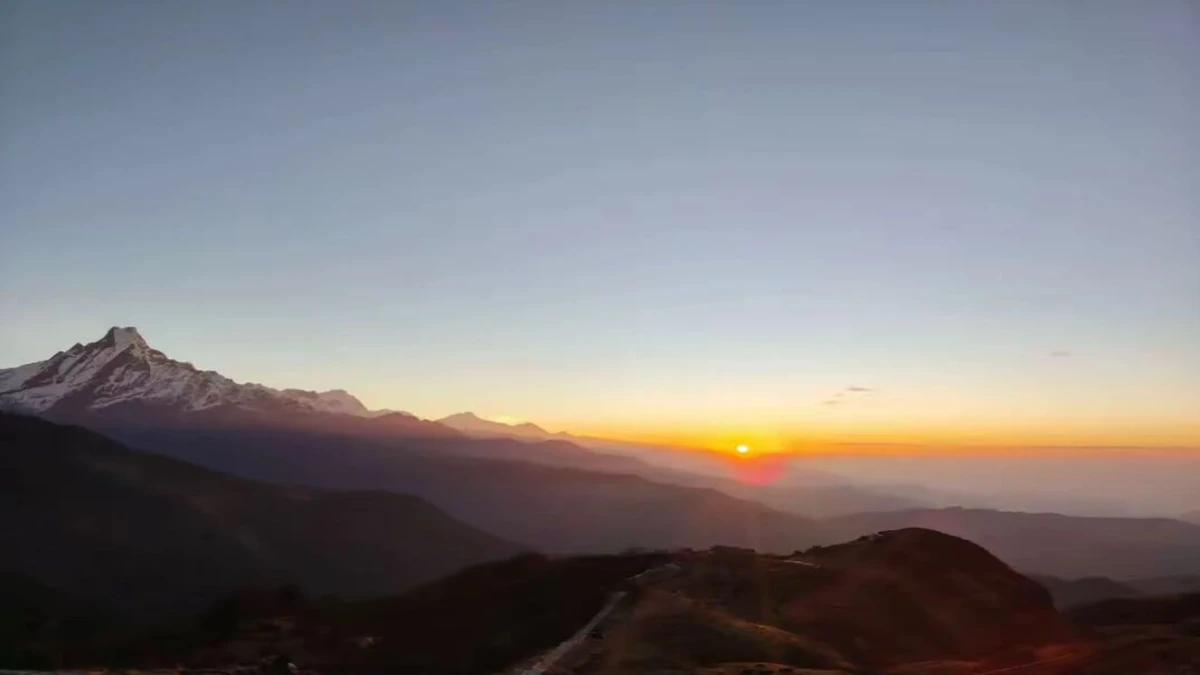
- The hike to Muldai Viewpoint starts before sunrise. It’s quiet, a bit cold, and dark. So, a headlamp helps a lot.
- Unpredictable weather: A clear sky can turn cloudy in an hour. So, carry a light jacket. It is always useful.
- Comfortable shoes: Shoes matter more than you think in stone steps and uneven trails. If your shoes aren't good, you’ll feel it and maybe even slip.
- Listen to your body: Feeling tired is normal, but if something feels wrong, don’t ignore it and rest a bit.
- Carry enough cash: There are no ATMs on the trail. So, you’ll need cash for food, tea, and other small things.
- Keep basic medicines: Keep the usual medicines for headache, cold, and small cuts.
Some moments feel easy, and some feel a bit tough, that’s part of the journey. You’ll walk, stop, breathe, and then walk again. No need to rush. Just be a little careful and enjoy the trail.
How to Book Muldai Viewpoint Trek Package with Us?
Booking your trek withHimalayan Partner is simple. There is no long process and no confusion. Just a few steps, and you’re ready to go. You don’t need to figure out everything on your own. We handle the details, you just choose your dates.
Simple Booking Steps:
- Send us an inquiry: Message us through our website, WhatsApp, or email. Just tell us your travel date, number of people, and preferred itinerary
- Get quick response & details: We’ll reply with full information, itinerary, cost, inclusions, and every other thing will be clearly explained
- Confirm your booking: Once you’re ready, you confirm your trip with a small advance payment
- We arrange everything: Permits, guide, accommodation, transport, and all the things are managed from our side
- Start your trek: Just arrive, meet your guide, and begin your journey
If you’re ready for your Sunrise Trek, then book your 4-day Muldai Viewpoint Trek with us today and experience Nepal’s serene sunrise trails. Contact us via WhatsApp, email, or website now.