Gokyo Chola Pass Everest Base Camp Trek - 15 Days

Gokyo Chola Pass Everest Base Camp Trek - 15 Days
Quick Overview
Duration15 Days
Trip GradeStrenuous
CountryNepal
Maximum Altitude5,545 m
Group Size1-20
StartsKathmandu
EndsKathmandu
ActivitiesTrekking
Best TimeAutumn and Spring

Gokyo Cho La Pass Everest Base Camp Trek Highlights

  • Cross the Cho La Pass (5,420m), the toughest and most rewarding part of the whole trek
  • Stand beside the unreal blue waters of the famous Gokyo Lakes
  • Climb Gokyo Ri and watch Everest, Lhotse, and Makalu rise all at once in front of you
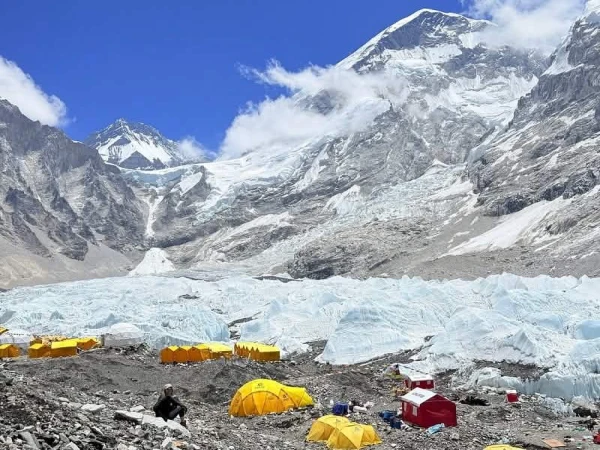
  • Reach Everest Base Camp after days of walking through the Khumbu region
  • Catch sunrise from Kala Patthar, when Everest slowly turns golden in the morning light
  • Walk through quieter trails away from the busy standard Everest Base Camp route
  • Cross the rocky and wild Ngozumpa Glacier, one of the most unique parts of the trek
  • Stay in small mountain tea houses and experience everyday life in Sherpa villages
  • Pass through forests, suspension bridges, glaciers, alpine lakes, and high mountain passes in one single journey
  • Experience the thrilling, short, and scenic Lukla flight from Kathmandu.
  • Trek deep inside Sagarmatha National Park, surrounded by some of the highest mountains on earth.
  • A perfect choice for trekkers wanting a more complete and adventurous Everest region trek Nepal experience

Gokyo Cho La Pass Everest Base Camp Trek Overview

Most people hear Everest Base Campand picture one trail, one route, and one goal. But the Gokyo Cho La Pass Everest Base Camp Trek doesn’t follow that script. It stretches the journey and makes it deeper. 

You don’t just walk to base camp, but you circle through the Everest region. You stand above the glowing Gokyo Lakes trek in Nepal, climb Gokyo Ri (5,357m) for that wide, quiet Everest view, then push across the icy spine of Cho La Pass (5,420m) before finally stepping onto the classic Everest Base Camp trail. This trek feels layered.

The trek takes around 15 days. It is long enough to feel the altitude and to notice the shift from busy teahouse trails to empty valleys where it’s just you, wind, and mountains. Some days are calm, where you walk through the forest and cross rivers. Other days are tough with cold mornings, thin air, and slow steps.

If you’re searching for a complete Everest circuit trek in Nepal, not just a checklist hike, our package is for you.

Why Choose the Gokyo Cho La Pass Trek Over the Standard Everest Base Camp?

Both treks reach the Everest Base Camp. But the experience is very different. Here’s how the Gokyo Cho La Pass Everest Base Camp Trek actually stands out:

  • Less crowded: The standard Everest Base Camp trek can feel busy, especially after Namche. On the Gokyo side, things open up. There are fewer trekkers, quieter trails, and you walk at your own pace rather than in a line.
  • Gokyo Lakes: The Gokyo Lakes trek in Nepal brings you to still, turquoise lakes set right beneath massive peaks, where there is no noise, no rush, and just raw scenery.
  • Better panoramic views from Gokyo Ri: Many trekkers don’t say it loudly, but they feel it. The view from Gokyo Ri often feels wider and more complete than Kala Patthar. Everest, Lhotse, and Makalu are all visible at once.
  • Cho La Pass:  This is where the trek shifts. The Cho La Pass trek in Nepal isn’t just walking, but it’s an effort. Snow and steep sections push you a bit. 
  • Not a repeat trail: For the EBC trek, you go up and down the same path. But this route is a different way up and a different way down.  It feels like a journey, not a return trip.
  • Crossing the Ngozumpa Glacier: Not something you experience on the regular route. It’s rough, rocky, and quiet. A completely different terrain that breaks the rhythm of the trek in a good way.
  • More complete Everest experience:  You’re experiencing multiple landscapes, lush valleys, high alpine lakes, glaciers, and high passes, all in one Everest circuit trek in Nepal.
  • Everest Base Camp & Kala Patthar: You’re not missing anything. You still walk the classic trail, stand at base camp, and watch sunrise over Everest from Kala Patthar.

So, you can choose, if you want, the simplest route to Everest or the Gokyo Cho La Pass to actually feel like a full Himalayan journey.

How to Get to Lukla?

The first day starts early, before sunrise. You leave Kathmandu while the city is still quiet, and head toward the airport. Or sometimes even earlier, driving to Ramechhap if flights are rerouted in peak season.

The flight is short and scenic. It takes around 30 minutes. As you reach Lukla, the trek begins. But here’s the part people don’t always tell you. Flights to Lukla are unpredictable. The weather changes quickly, delays happen, and sometimes cancellations too.

So plan smart. Keep 1-2 buffer days, fly early morning because it is more reliable, and stay flexible for sudden delays. 

Gokyo Chola Pass Everest Base Camp Trek - 15 Days Itinerary

Trip PlanExpand all
  • Flight Distance: 138 km
  • Flight Duration: 30-35 minutes
  • Trek Distance: 7-8 km, 3-4 hours

This day starts early. You reach the airport while Kathmandu is still half asleep, carrying that mixture of excitement and nervousness every Everest trek begins with. Then comes the famous flight to Lukla. It is short, beautiful, and slightly terrifying, too, if we’re being honest.

After landing at Lukla, the trail begins gently. Prayer flags flutter above the stone paths, porters move past with impossible loads, and the sound of the Dudh Koshi River follows you almost the whole way to Phakding. The first day feels easy on purpose. 

Max Altitude: Phakding (2,610m) Meals: Breakfast, Lunch, and DinnerAccommodation: Tea House
  • Trek Distance: 10-11 km,  6-7 hours

After breakfast, you’ll start your trek. You cross long suspension bridges, pass pine forests, small villages, and endless stone staircases. The trail enters Sagarmatha National Park, and the mountains slowly begin to appear more clearly around you.

Then comes the final climb to Namche Bazaar. It’s steep, slow, and your breathing changes here. But somewhere before reaching Namche, if the weather is clear, you might catch your very first glimpse of Everest far in the distance. 

In the evening, you’ll reach Namche Bazaar. It is a beautiful village, you can explore the village a little and then rest after a long day.

Max Altitude: Namche Bazaar (3,440m) Meals: Breakfast, Lunch, and DinnerAccommodation: Tea House
  • Hiking Distance: 4-5 km,  3-4 hours

Acclimatization days are important during the Gokyo Cho La Pass Everest Base Camp Trek, especially before gaining more altitude. Most trekkers hike up toward the Everest View Hotel or nearby viewpoints above Namche.

And honestly, the views from up there feel unreal. Ama Dablam stands sharp against the sky. Everest appears again, this time much clearer. Then you head back down to Namche for coffee, bakery stops, gear shopping, or just wandering around the busy little mountain town.

Max Altitude: Namche Bazaar (3,440m) Meals: Breakfast, Lunch, and DinnerAccommodation: Tea House
  • Trek Distance: 9-10 km, 5-6 hours

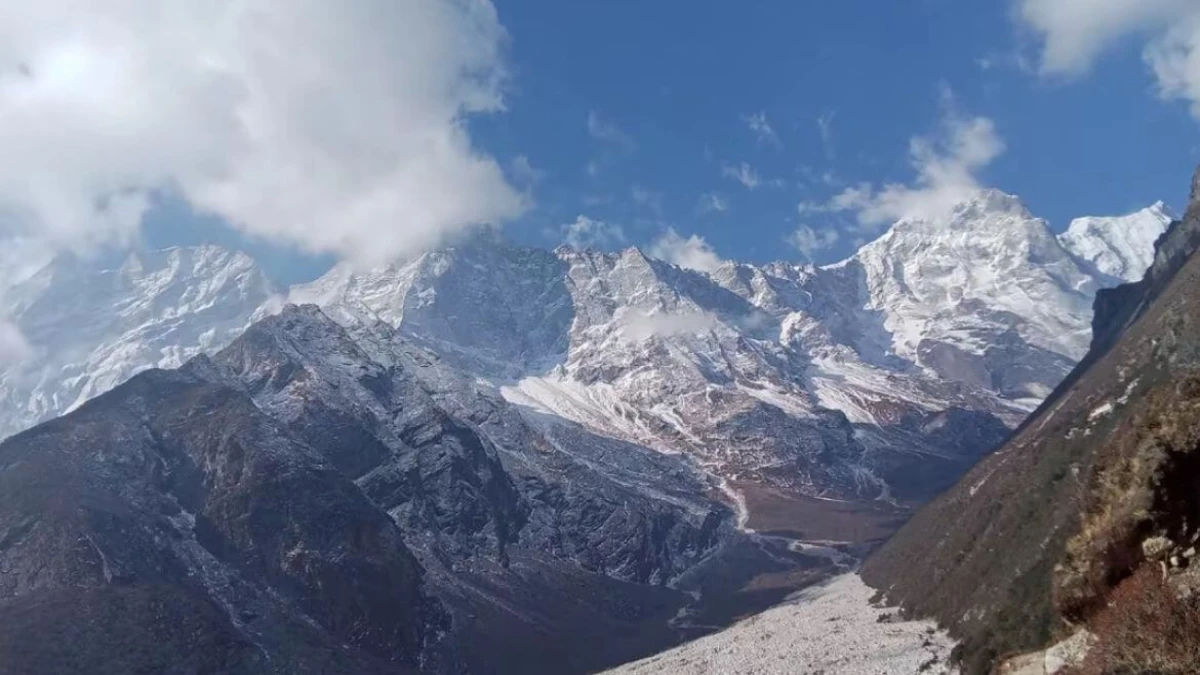
This day starts beautifully. The trail out of Namche is mostly gradual at first, with huge mountain views opening beside you almost the entire morning. Everest, Lhotse, Ama Dablam, they just keep appearing around every corner.

Then comes the descent to the river. And after that, the uphill to Tengboche. But reaching Tengboche feels special. The monastery sits surrounded by giant peaks, prayer flags moving in the wind while clouds drift slowly through the valley. If you arrive in the evening, you might even hear the monks chanting inside the monastery.

Max Altitude: Tengboche (3,860m) Meals: Breakfast, Lunch, and DinnerAccommodation: Tea House
  • Trek Distance: 10-11 km, 5-6 hours

The landscape starts changing now. Forests slowly become thinner, trees disappear little by little, and the air feels colder.

You descend through Debuche, cross rivers again, and continue toward Pangboche. Pangboche one of the oldest Sherpa villages in the Everest region. Ama Dablam somehow keeps dominating the skyline the whole day.

As you climb higher toward Dingboche, the scenery becomes more open and rugged. Stone walls everywhere, the wind is stronger now. You can really feel the altitude beginning to settle in.

Max Altitude: Dingboche (4,410m) Meals: Breakfast, Lunch, and DinnerAccommodation: Tea House
  • Hiking Distance: 5-6 km, 3-4 hours

Another acclimatization day. A reminder to slow down. Most trekkers hike up to Nagarjun Hill or nearby ridges above Dingboche for better altitude adjustment. The climb is steady and tiring, but the views become wider with every step.

By now, conversations during the trek have changed a little. People walk more quietly, drink more tea, sleep earlier, and everyone starts paying attention to how their body feels at altitude. The mountains reward patience more than anything else. Don’t waste your acclimatization day by sleeping, go on a hike and explore the village.

Max Altitude: Dingboche (4,410m) Meals: Breakfast, Lunch, and DinnerAccommodation: Tea House
  • Trek Distance: 8-9 km,  5-6 hours

This day feels more serious. The trail climbs gradually through wide alpine valleys before reaching Thukla. From there, a steep uphill section leads to the memorial area dedicated to climbers who lost their lives on Everest. It’s quiet and windy there. 

The trail continues slowly toward Lobuche with glaciers and rocky peaks surrounding the valley. Breathing becomes noticeably harder now, even on small inclines. Now you’re getting really close to Everest Base Camp. Rest at a teahouse in Lobuche. 

Max Altitude: Lobuche (4,910m) Meals: Breakfast, Lunch, and DinnerAccommodation: Tea House
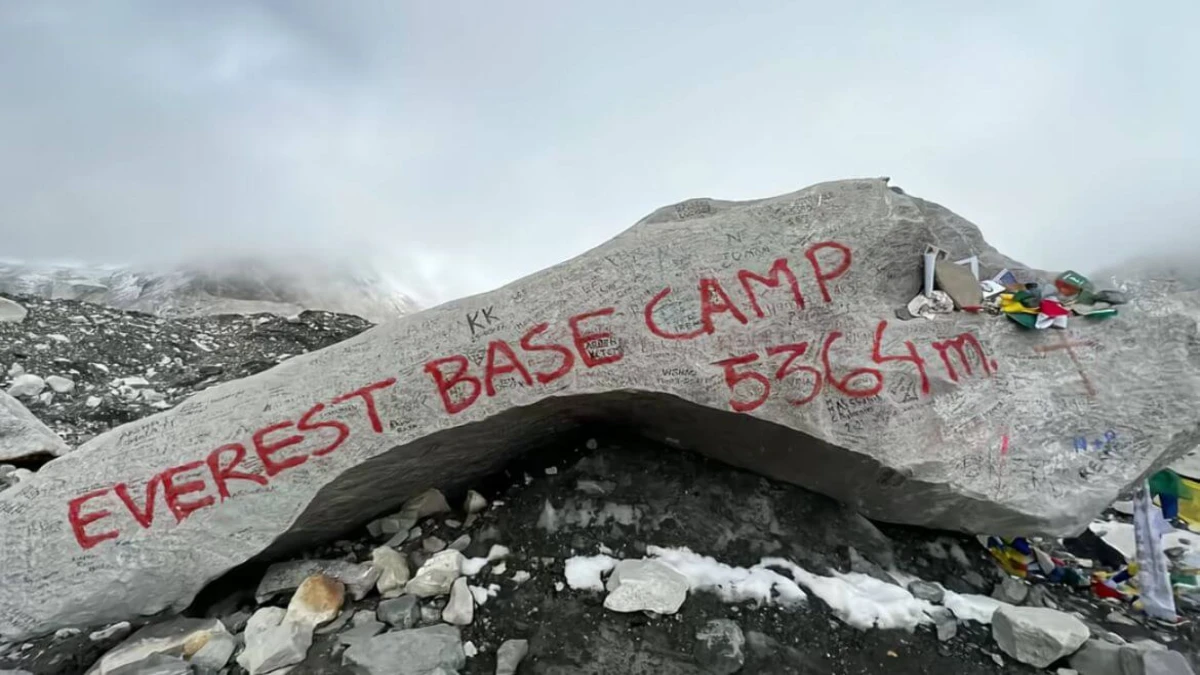
  • Everest Base Camp Altitude: 5,364m
  • Trek Distance: 14-15 km, 7-8 hours

This is the day that everyone waits for. You leave Lobuche early, following rocky trails beside the Khumbu Glacier. The air feels thin now. Even small hills make your breathing heavier. 

After reaching Gorak Shep, you drop your bags, eat something quickly, then continue toward base camp itself. The trail is rough, uneven, and slower than expected at this altitude.

Then you’ll finally reach Everest Base Camp (5,364m). This is the dream come true moment. Your every climb feels worth it here. It doesn’t feel fake when you finally get there. It feels earned. Later, you head back to Gorak Shep for the night. Exhausted and happy. 

Max Altitude: Gorak Shep (5,164m) Meals: Breakfast, Lunch, and DinnerAccommodation: Tea House
  • Kala Patthar Altitude: 5,545m
  • Trek Distance: 10-11 km, 6-7 hours

Today, morning starts before sunrise. This is the day for Kala Patthar.

You climb slowly in the dark with headlamps, step by step. And then, just as the sun rises, Everest starts glowing orange and gold above the clouds. Honestly, photos never really capture this part properly.

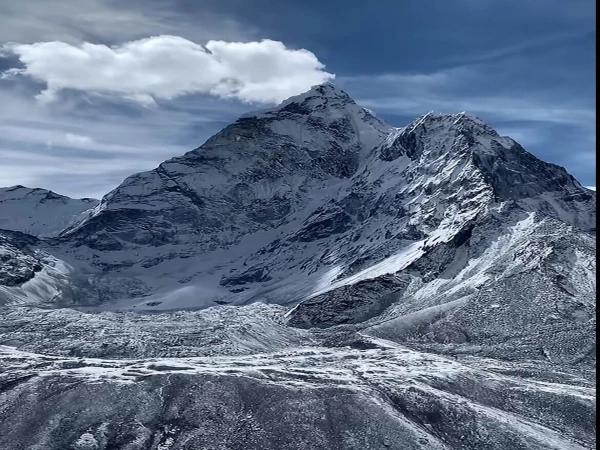
From Kala Patthar (5,545m), the mountains feel impossibly close. Everest, Nuptse, Pumori, etc. Everywhere you look, there are towering peaks.

After descending back to Gorak Shep for breakfast, the trail leaves the busy Everest Base Camp route and heads toward Dzongla. You’ll spend your night in Dzongla today. 

Max Altitude: Dzongla (4,830m) Meals: Breakfast, Lunch, and DinnerAccommodation: Tea House
  • Cho La Pass Altitude: 5,420m
  • Trek Distance: 9-10 km, 7-8 hours

This is probably the hardest day of the entire Gokyo Cho La Pass Everest Base Camp Trek. And definitely one of the most memorable.

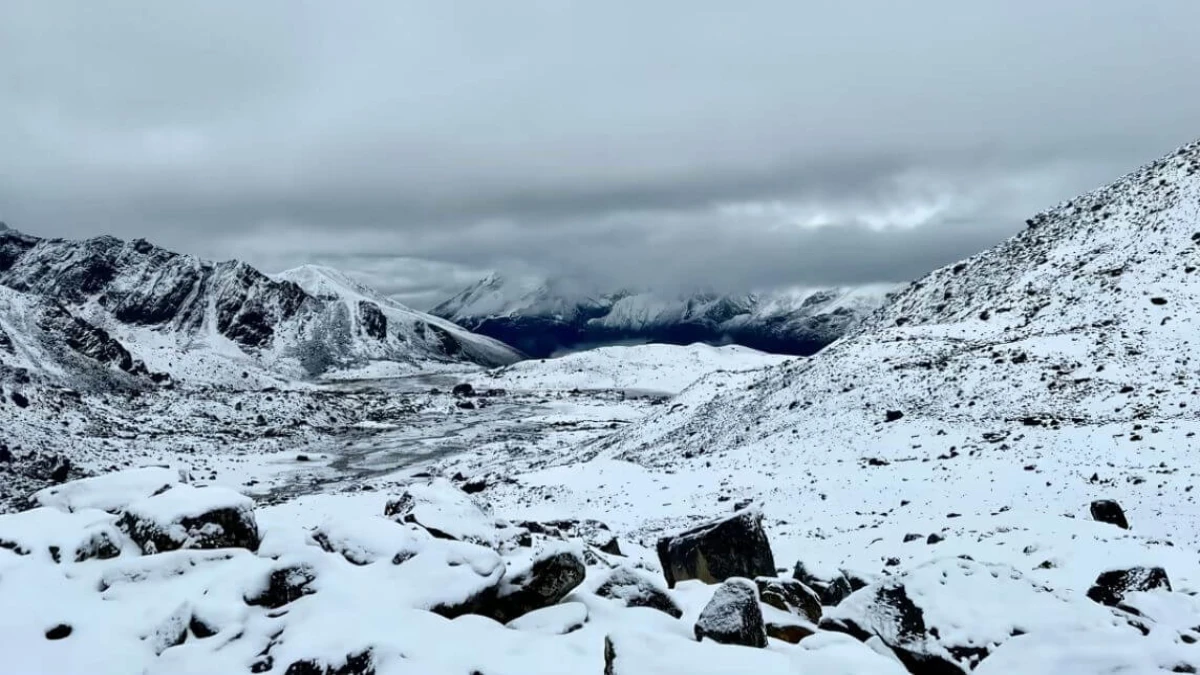
You leave before sunrise because crossing Cho La Pass (5,420m) is safer earlier in the day before the weather changes. The climb starts steep and rocky, then slowly becomes icy near the top, depending on the season.

People walk quietly here, saving energy and focusing on each step. The final push to the pass feels tough at altitude. But once you reach the top, prayer flags flap wildly in the wind while snowy peaks stretch in every direction. That moment stays with people for a long time.

The descent toward Thangnak is slower and more careful, especially on icy sections. By the end of the day, everyone feels tired in a very honest way.

Max Altitude: Thangnak (4,700m) Meals: Breakfast, Lunch, and DinnerAccommodation: Tea House
  • Trek Distance: 4-5 km, 3-4 hours

After the challenge of Cho La Pass, today feels calmer, still beautiful though. The trail crosses parts of the massive Ngozumpa Glacier, the largest glacier in Nepal. You’ll see rocky terrain, grey landscapes, and ice hidden beneath piles of stone. It almost feels like walking across another planet sometimes.

And then the Gokyo Lakes appear. Bright blue water surrounded by snowy peaks and quiet hills. It looks magically beautiful. 

Reaching Gokyo village feels peaceful after the harder sections of the trek. Most trekkers spend the evening sitting near the lakes or inside warm tea houses, drinking endless cups of tea while staring outside the windows.

Max Altitude: Gokyo (4,790m) Meals: Breakfast, Lunch, and DinnerAccommodation: Tea House
  • Gokyo Ri Altitude: 5,357m
  • Trek Distance: 10-11 km, 6-7 hours

Another early morning for an unforgettable viewpoint. The climb to Gokyo Ri (5,357m) starts before sunrise, and honestly, it’s steeper than many people expect. Thin air makes every step feel slower. But once you reach the top, the reward hits immediately.

Four giant Himalayan peaks stand above glaciers and lakes all at once. A lot of trekkers quietly admit that this becomes their favorite view of the whole Everest region trek Nepal.

After descending back to Gokyo for breakfast, the trail heads down toward Machhermo. Lower altitude finally starts feeling easier on the lungs again.

Max Altitude: Machhermo (4,470m) Meals: Breakfast, Lunch, and DinnerAccommodation: Tea House
  • Trek Distance: 13-14 km, 6-7 hours

The return journey starts feeling more relaxed now. You descend through Dole, pass forests again, cross familiar suspension bridges, and slowly return toward Namche Bazaar. Oxygen feels richer with every hour you lose altitude.

Reaching Namche after days in a higher altitude feels strangely luxurious. Simple things suddenly feel exciting again. You’ll end your day in Namche. 

Max Altitude: Namche Bazaar (3,440m) Meals: Breakfast, Lunch, and DinnerAccommodation: Tea House
  • Trek Distance: 17-18 km, 6-7 hours

Today is the last day of trekking. You retrace the trail back through Monjo, Phakding, forests, bridges, and busy little villages that probably feel very familiar by now. Legs are tired, but the mood on the trail is lighter.

There are usually mixed feelings on this day. Part of you misses proper beds and hot showers. Another part already knows you’ll miss the mountains once the trek ends.

Back in Lukla, trekkers celebrate quietly. They share stories from Cho La Pass or Everest Base Camp with people who were strangers just two weeks ago.

Max Altitude: Lukla (2,860m) Meals: Breakfast, Lunch, and DinnerAccommodation: Tea House
  • Flight Distance: 138 km, 30-35 minutes

Today you’ll fly back to Kathmandu. Morning flights in Lukla always depend on the weather.n Sometimes it's smooth, sometimes it's delayed. That’s normal here.

Once the plane finally takes off, the mountains slowly disappear behind the hills as you fly back toward Kathmandu. And honestly, the city feels loud after two weeks in the Himalayas.

The trek might be finished, but parts of it stay in your head for a long time. People come back tired. But they also come back wanting the mountains again.

Max Altitude: Kathmandu (1,400m) Meals: Breakfast, Lunch, and Dinner
Couldn't find what you're after?Reach out to our travel experts.
Customize Trip

Cost Details

Includes

Accommodation

  • Tea house accommodation during the entire Gokyo Cho La Pass Everest Base Camp Trek
  • Twin-sharing rooms during the trek

Meals & Drinks

  • Breakfast, lunch, and dinner during the trek
  • Tea or coffee with meals
  • Seasonal fresh fruits during parts of the trek

Transportation & Flights

  • Round-trip flight between Kathmandu and Lukla
  • Airport pickup and drop-off services in Kathmandu
  • All required local transportation related to the trek

Guide & Porter Services

  • Experienced English-speaking trekking guide
  • Friendly and helpful porter service (shared basis)
  • Guide and porter salary, food, accommodation, and insurance
  • Trekking completion certificate

Permits & Entry Fees

  • Sagarmatha National Park Permit
  • Khumbu Pasang Lhamu Rural Municipality Permit
  • All required government taxes and paperwork

Safety & Support

  • Basic first aid kit carried by the guide
  • Oximeter for daily oxygen level checks during the trek
  • Assistance during emergencies and altitude-related situations

Excludes

  • International Travel & Visa
  • Personal Expenses
  • Travel Insurance
  • Trekking Equipment
  • Extra Costs Caused by Delays
  • Tips & Gratitude
  • Any services not mentioned in the “Cost Includes” section

Essential Information

Gokyo Cho La Pass Trek Route Map & Trail Overview

The Gokyo Cho La Pass Everest Base Camp route isn’t a straight line. It’s a loop, and that’s what makes it interesting.

You start like everyone else, from Lukla to Namche Bazaar. The trail is busy, and you’ll see people with full energy everywhere. Then, things change.

Instead of heading directly toward Everest Base Camp, you move toward the Gokyo Valley. The trail opens up, fewer people, wider landscapes, and places like Dole and Machhermo feel quieter, slower.

When you reach Gokyo, you’ll see the lake lies below the stunning peaks with clear reflection and cold air.  Then comes a key moment, Gokyo Ri. You’ll hike early. It is a steady climb. Then suddenly, you’ll see Everest, Lhotse, and Makalu all in one frame. This feels amazing.

After that, the terrain shifts again. You cross the Ngozumpa Glacier. And then prepare for the hardest part of this Cho La Pass trek in Nepal.

You’ll start before sunrise, walking through snow at a slow pace. But once you’re over, everything changes again.

You reconnect with the classic Everest Base Camp trek route, Lobuche, Gorakshep, and Base Camp. You’ll see more trekkers now. There is more movement and a different energy. And finally, Kala Patthar. This one is the last climb and the last view. After that, the long way back to Lukla.

So in one journey, you experience Gokyo Valley, Gokyo Ri viewpoint, Cho La Pass crossing, Everest Base Camp, and Kala Patthar sunrise. That combination is what makes this trek special.

Gokyo Cho La Pass Trek Difficulty Level

Let’s not pretend this is an easy hike. The Gokyo Cho La Pass Everest Base Camp Trek is tough but not impossible. But it's definitely tough. Your legs and your lungs feel it sometimes.

Most days, you’ll walk around 5-7 hours. Some days, even more if the weather changes or the trail gets slow. And once you go above 4,000 meters, even simple things start feeling harder than usual. A small uphill suddenly feels personal.

Then comes the real challenge, Cho La Pass (5,420m). People talk about it a lot before the trek. The morning usually starts before sunrise in cold weather. Slow steps on rocky and icy trails. You walk quietly because everyone’s trying to save energy. But weirdly, that’s the part many trekkers remember the most.

The Cho La Pass trek in Nepal is difficult mainly because of the altitude, not technical climbing. You don’t need mountaineering skills. But you do need patience, good pacing, and enough mental strength to keep going. 

So, can beginners do it? Yes, many beginners do the Gokyo Cho La Pass Trek. But training helps a lot.

If you can walk long hours, stay consistent, and respect acclimatization days, the Everest circuit trek Nepal becomes much more manageable. Slow walkers often do better here than fast ones. 

Best Time for Gokyo Cho La Pass Everest Base Camp Trek

Timing changes the whole mood of this trek. The best seasons for the Gokyo Cho La Pass Everest Base Camp Trek are spring (March to May) and autumn (September to November). That’s when the skies are usually clear, and the mountain views actually show up properly.

  • Spring (March to May): Spring feels more alive. You start seeing green hills below Namche, blooming rhododendrons, busy tea houses, and trekkers from everywhere. The weather is not too cold at lower elevations, which honestly makes the first few days way more comfortable.
  • Autumn (September to November): Autumn feels different and cleaner. After the monsoon rain clears everything, the mountains look sharp and almost unreal at sunrise. This is why many people say autumn is the best time for the Gokyo Lakes and Everest Base Camp trek.
  • Off-seasons: It's possible during winter, but it's very hard. Heavy snow can block the Cho La Pass trek route, and temperatures drop badly at night. Monsoon season is even trickier. Cloudy skies, wet trails, and delayed Lukla flights. These seasons are not ideal when you come all the way for the Everest views.

If you want the safest balance of weather, visibility, and trail conditions, spring and autumn win easily.

Cost of Gokyo Cho La Pass Everest Base Camp Trek

The cost of the Gokyo Cho La Pass Everest Base Camp Trek really depends on how you want to travel.

Some trekkers go basic, in simple tea houses, shared rooms, and minimal extras. While others want private guides, better lodges, hot showers every night, and maybe even helicopter returns. The price changes fast once comfort enters the conversation.

Our Package of Gokyo Cho La Pass trek includes Lukla flights, Trekking permits, Accommodation, Meals during the trek, Guide and porter services

But here’s the thing: prices increase with altitude. A bottle of water that felt cheap in Kathmandu suddenly costs way more near Gorakshep. Same with charging phones, Wi-Fi, hot showers, and even snacks. On average, this trek costs you around $1400, but it can change depending on your expenses.  

Accommodation and Food During the Trek

Accommodation during the Gokyo Cho La Pass Everest Base Camp Trek is mostly in tea houses and simple mountain lodges run by local families. Nothing is fancy, but honestly, after walking for hours in cold air, even a small wooden room starts feeling comfortable.

Most rooms come with two single beds, a blanket, and maybe a tiny window facing the mountains if you get lucky. Lower elevations have better facilities, but once you go higher toward Gokyo, Lobuche, or Gorakshep, things become more basic and colder too.

Food on the Everest Base Camp via Gokyo Lakes trek is surprisingly decent. You’ll find Dal bhat, fried rice, noodles, pasta, soups, pancakes, eggs, and potatoes.  Dal bhat becomes everyone’s best friend after a few days. You’ll get unlimited refills. It is warm, filling, and reliable.

As altitude increases, food prices rise because everything is carried by porters or yaks. So don’t be shocked if a simple coffee costs way more near base camp than it did in Kathmandu. That’s mountain life. 

Permits Required for Gokyo Cho La Pass Trek

Before starting the Gokyo Cho La Pass Everest Base Camp Trek, you’ll need a few permits. The main permits required for the Cho La Pass trek Nepal are:

  • Sagarmatha National Park Permit
  • Khumbu Pasang Lhamu Rural Municipality Permit

These permits help regulate trekking in the Everest region and support conservation and local communities along the trail. We will arrange the permits for you, so that things will be easier. You’ll show permits multiple times during the trek, especially around Monjo and Namche Bazaar.

How to Prepare for Gokyo Cho La Pass Trek

A lot of people think preparing for the Gokyo Cho La Pass Trek means becoming super fit. No, you don’t need marathon-level fitness. But you do need stamina and the ability to walk for several days in a row without completely falling apart after day three.

Long walks and stairs help more than people expect. If you can hike with a backpack before coming to Nepal, even better. The goal isn’t speed, it’s consistency. And mental preparation matters just as much.

Some days on the Gokyo Cho La Pass Everest Base Camp Trek feel amazing. Then suddenly, the weather changes, your legs feel heavy, and the altitude starts testing your patience. That’s normal.

The trekkers who do well are usually not the fastest ones. They’re the ones who stay steady. Drink enough water, rest properly, and walk slowly when needed. Also, don’t ignore acclimatization. The mountains don’t care how confident you feel on day one.

Packing List for Gokyo Cho La Pass Everest Base Camp Trek

Packing for the Gokyo Cho La Pass Everest Base Camp Trek is always a balance. If you bring too much, your bag becomes miserable. And if you bring too little, the cold reminds you immediately.

Clothing

  • Warm jacket 
  • Fleece or sweater
  • Trekking pants
  • Thermal innerwear
  • T-shirts 
  • Gloves, cap, woolen hat

Footwear

  • Good trekking shoes 
  • Extra socks 

Essentials

  • Backpack 
  • Water bottle
  • Sunglasses 
  • Sunscreen &lip balm

Personal Items

  • Toiletries
  • Small towel
  • Wet wipes/tissue

Health & Safety

  • Basic medicines 
  • Diamox 
  • Band-aid, blister kit

Extras 

  • Power bank
  • Headlamp/torch
  • Snacks (energy bars, chocolates)

Altitude Sickness and Safety Tips

Altitude is the one thing you can’t fully predict on the Gokyo Cho La Pass Everest Base Camp Trek.

Some trekkers feel completely fine at 4,000 meters. Others start getting headaches much earlier. The biggest mistake most people make is walking too fast.

In the Everest region, slow is smart. Your body needs time to adjust as you gain altitude, especially before crossing Cho La Pass or reaching Everest Base Camp. A proper acclimatization day in places like Namche Bazaar or Dingboche really makes a difference, even if you feel okay at the moment.

Common symptoms of altitude sickness include: Headache, Nausea, Loss of appetite, Dizziness, Trouble sleeping, Shortness of breath. etc.

During the Gokyo Cho La Pass trek in Nepal, guides often remind trekkers to drink more water than they think they need. It sounds repetitive after a few days, but dehydration and altitude together are not fun at all.

A few simple safety tips help a lot:

  • Walk slowly
  • Stay hydrated
  • Avoid alcohol at high altitude
  • Eat properly, even when tired
  • Listen to your guide
  • Don’t ignore symptoms

Mountains reward patience more than speed.

Travel Insurance for Everest Region Trek

Travel insurance is one of those things people hope they’ll never use. But on an Everest region trek, it’s something you really shouldn’t skip.

The Gokyo Cho La Pass Everest Base Camp Trek takes you above 5,000 meters, far from roads, hospitals, and easy transport. If weather changes suddenly or altitude sickness becomes serious, helicopter evacuation may be the only option. And helicopter rescues in the Everest region are very expensive. 

That’s why your insurance should cover:

  • High-altitude trekking
  • Emergency helicopter evacuation
  • Medical expenses
  • Flight cancellations or delays
  • Trip interruption

Before starting the Cho La Pass trek Nepal, always check your insurance policy carefully. Some basic travel insurance plans don’t cover trekking above certain altitudes, which becomes a problem later when you actually need help.

Why Book This Gokyo Cho La Pass Trek With Us

There are many companies offering the Gokyo Cho La Pass Everest Base Camp Trek. Himalayan Partner knows that. So instead of throwing big promises around, here’s what actually matters on the trail.

  • Experienced local guides who actually know the region: Not just the route, the weather patterns, acclimatization pace, safer crossing times near Cho La Pass, and the little things that make a trek smoother.
  • Well-planned itinerary with proper acclimatization: Some itineraries try to move too fast just to make the trek shorter. That usually backfires at high altitude. We keep the pace realistic.
  • Small groups, better experience: Trekking in massive groups can feel rushed and noisy. Smaller groups mean more flexibility, better support, and a more personal experience during the Everest circuit trek Nepal.
  • No hidden costs or confusing pricing: You can see clear inclusions and exclusions. No surprising cost halfway through the trek.
  • Local support from start to finish: You get support for every kind of problem from start to finish in Kathmandu or on the trail. Having reliable local support really helps.
  • Flexible and customizable trekking options: You can add extra acclimatization days, we can plan a private trek, and provide a helicopter return if you want. The trek can be adjusted based on your comfort and travel style.
  • Focus on safety, not just finishing fast: Reaching Everest Base Camp means nothing if your body is struggling the whole way. We pay attention to altitude, health, and pacing throughout the Cho La Pass trek in Nepal.
  • Real trekking experience, not overly commercialized: The goal is to help you experience the mountains properly. The quiet trails near Gokyo, the challenge of Cho La Pass, and the feeling of finally standing at Everest Base Camp after days of walking.

At the end of the trek, people rarely remember the package price. They remember how the journey felt.

Gokyo Chola Pass Everest Base Camp Trek - 15 Days FAQs

Yes, altitude sickness can affect anyone during the Everest region trek Nepal, no matter how fit they are. That’s why acclimatization days in Namche and Dingboche are included in the itinerary.

Spring (March to May) and Autumn (September to November) are considered the best seasons because of stable weather, clearer skies, and better mountain views.

Temperatures depend on the season and altitude. Nights above 4,000 meters can drop below freezing, especially near Gorak Shep and Cho La Pass.

Yes, travel insurance with emergency helicopter evacuation coverage is strongly recommended for the Gokyo Cho La Pass Everest Base Camp Trek because of the high altitude and remote mountain terrain.

On average, trekkers walk around 5-7 hours daily. Some days, like the Everest Base Camp day or the Cho La Pass crossing, can take longer.

The combination of Gokyo Lakes, Cho La Pass, Everest Base Camp, Kala Patthar, and quieter trails makes this one of the most complete trekking experiences in the Everest region.

Yes, it’s considered a moderate to challenging trek. The biggest challenges are altitude, long walking days, and crossing Cho La Pass (5,420m).

Most itineraries take around 15-18 days, depending on acclimatization days, weather conditions, and side trips in the Everest region.

It depends on what kind of experience you want. The standard Everest Base Camp trek is shorter and slightly easier. The Gokyo Cho La Pass trek in Nepal gives more variety, like lakes, glaciers, quieter trails, and the high pass crossing. Many trekkers find this route more adventurous and scenic overall.

The highest point is Kala Patthar (5,545m). Cho La Pass sits slightly lower at 5,420 meters.

Previous trekking experience helps, but it’s not mandatory. Good fitness, mental preparation, and proper acclimatization matter more than trekking history on this route.