
I didn’t choose the Pikey Peak Trek because it was famous. Honestly, I chose it because I didn’t want the crowd. Didn’t want the chaos of Everest Base Camp, and didn’t want flights, delays, or that whole rush. I just wanted a quiet trek in Nepal. And that’s how I ended up going to Pikey Peak.
I didn’t even expect much from this trek. I thought it would just be another short trek with nice views. But somewhere between empty trails, small villages, and that unreal sunrise over Mount Everest, it became something else. Not trying to be dramatic like life-changing in a movie way. But its just calm, real, and surprisingly personal.
If you’re looking for a short Everest view trek in Nepal, a less crowded alternative to Everest Base Camp, or an offbeat trekking experience in the lower Everest region, then the Pikey Peak Trek might be exactly what you didn’t know you needed. And this is not a perfect guide. This is just me sharing how it actually felt to be there.
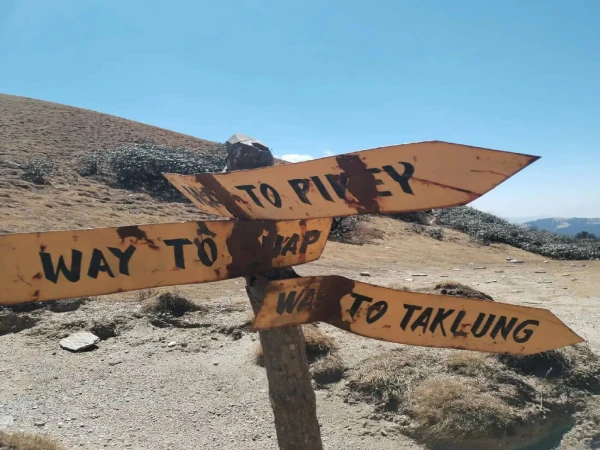
Why the Pikey Peak Trek is Special?
I didn’t realize what made this trek special until I was already on it. At first, it felt simple. No dramatic landscapes right away. But slowly, it started to feel different.
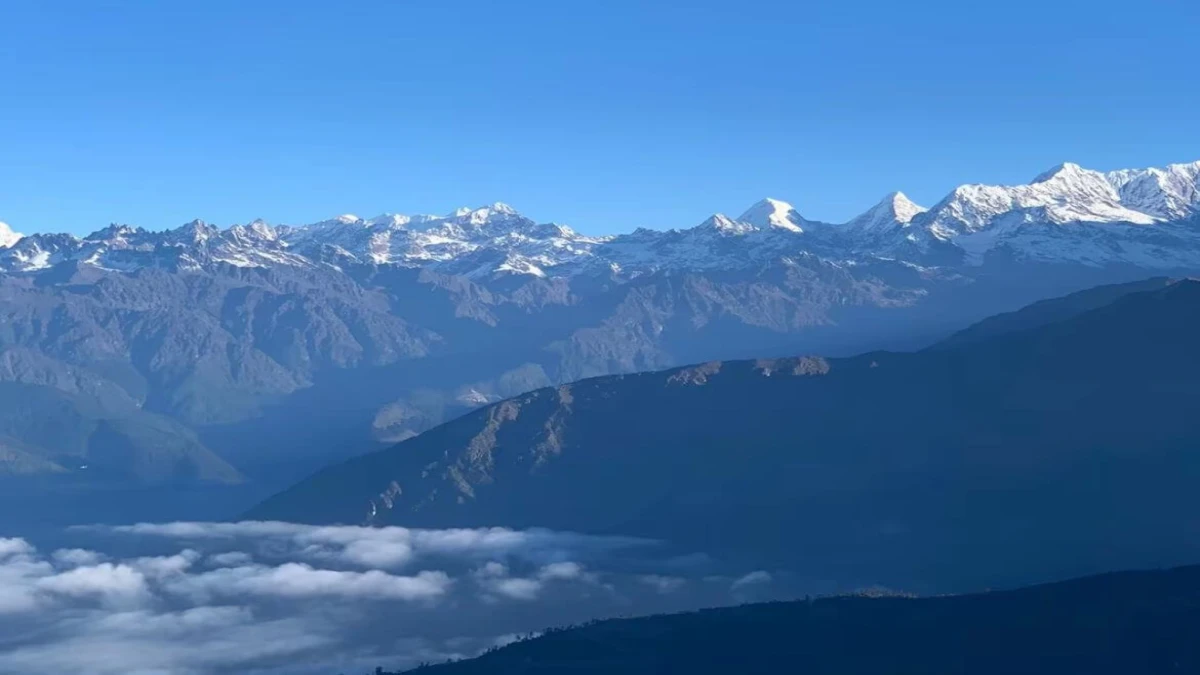
- Everest Views without the Chaos: Most people choose theEverest Base Camp for the view of Mount Everest. But that comes with crowded trails, expensive flights, and long itineraries. Pikey Peak skips all that. You still get a full panoramic Himalayan view, including Everest, but without feeling like you're in a line of trekkers.
- Sunrise at Pikey Peak: Standing at Pikey Peak early in the morning, half-asleep, freezing a little, and then watching the light slowly hit the mountains. It felt quiet and very personal.
- Least Crowded Treks in Nepal: This might be the biggest reason. There were moments where I walked for hours without seeing anyone but just forest trails, open hills, and occasional local houses.
- Feel the Local Culture: The villages felt real here. People weren’t trying to sell anything every second. A simple “Namaste” turned into conversations. Tea stops felt genuine, not transactional.
- Short, but it doesn’t feel rushed: Most people don’t have 2 weeks for a trek. That’s where Pikey Peak wins. Short duration of 5 to 7 days, moderate difficulty, and still gives a full Himalayan experience.
- Even Sir Edmund Hillary Loved This View:Sir Edmund Hillary once mentioned that Pikey Peak offers one of his favorite views of Everest. And after standing there, it makes sense.
Not just one thing made this trek special. It’s the combination of quiet trails, raw local experience, stunning Everest views, and that slow, peaceful feeling. Pikey Peak doesn’t try to impress you, but somehow that’s exactly why it does.
Where is Pikey Peak Located?
Before going, I had a very unclear idea. Somewhere near Everest, but not really Everest. And that’s actually the best way to describe it. Pikey Peak lies in the Solukhumbu Region, which is the quieter and less explored part of the Everest region. This is the lower Everest region, where things still feel untouched.
Quick Location Breakdown
- Country: Nepal
- Region: Solukhumbu (Lower Everest region)
- Elevation: Around 4,065 meters
- Nearest starting points: Jhapre
- Distance from Kathmandu: ~250 km
The moment you leave Kathmandu, everything changes. The roads get quieter, the air feels cleaner, and slowly, the noise disappears. By the time you reach the starting point, it doesn’t feel like a tourist destination anymore. It just feels very local.
This location really matters because most of the Everest-view treks come with flights to Lukla, crowded trails, and packed tea houses, but because Pikey Peak is in the Solu region, where you can reach it by road, the trails are far less crowded, and the experience feels more raw and personal.
How to reach Pikey Peak from Kathmandu?
My journey started from Kathmandu. It took around 7-8 hours to reach Dhap Village. It is a small village in the Solu region. The distance from Kathmandu to Dhap is around 230 km. The first half of the drive felt normal through highways, small towns, and random stops. Then slowly, the road changed and became narrower, bumpier, and dustier. By the time we reached Dhap, I was tired. I spend my night in that village in a comfortable tea house. The next day, I took a jeep from Dhap to Jhapre.
Jhapre isn’t a busy place. It’s quiet and real, with a few tea houses, simple homes, and open views if the weather is clear. I remember stepping out in Jhapre and stretching in the fresh air. This is the starting point of ourPeaky Peak Trek.
My Experience on the Pikey Peak Trail
This is the part that stayed with me the most. Not just the sunrise and mountains. Because the Pikey Peak Trek isn’t about rushing to a destination. It’s about what happens while you’re quietly walking toward it.
We started our trek from Jhapre without rush and pressure. The trail didn’t hit hard at the beginning. It was gradual, almost gentle, with open hills, scattered houses, and quiet paths.
But then something shifted. There were long stretches where there were no people, no voices, and no distractions. Just wind and footsteps. It didn’t feel lonely, it felt peaceful. And honestly, that kind of silence is rare now.
The higher we went, the landscape began to open up. Trees became fewer, and views became wider. You start seeing distant snow peaks. The Night Before the summit, we stayed near Pikey Base Camp. It was cold, quiet, and dark. I remember stepping outside and just looking up. The sky felt unreal.
For the Pikey Peak sunrise, we woke up around 4 AM. Half-asleep, freezing, and questioning everything. The hike to Pikey Peak was short but steep. Each step felt heavier because of the cold and altitude. But once we reached the top, everything just paused. The sky slowly changed colors into soft orange, then gold. And then the light hit Mount Everest along with other Himalayan peaks lined up in the distance. This was a beautiful moment. I didn’t even feel like taking my phone out. Some moments feel better when you just stand there and watch.
After the sunrise, we started heading down, and weirdly, everything felt slower. Not physically, but mentally. I wasn’t in a rush to finish anymore. The Pikey Peak Trek didn’t try to impress me. It became one of those experiences that stays in your head long after you’re back. And I think that’s what made it different.
Pikey Peak Trek Difficulty: What I Actually Felt
Let’s be honest. Pikey Peak trek is not an easy walk. But it’s also not extreme. The difficulty level is moderate, and yes, it is suitable for beginners too. For me, I feel like the uphill sections, especially near the summit, cold mornings, and altitude (mild effect) can be challenging.
If you can walk for around 4 to 6 hours daily, then this trek is for you. You don’t need to be super fit. There is a gradual elevation gain, but there are plenty of stops too. So, you’ll be fine. But still, basic stamina helps more than you think. Also, your mental patience matters the most.
Is the Pikey Peak trek suitable for solo trekkers?
Yes, Pikey Peak Trek can be suitable for solo trekkers too. The trekking trail of this short trek in Nepal is safe, locals are very welcoming and friendly, and navigation is straightforward. I also met a few solo trekkers on the way. Everyone seemed relaxed. But also, since some sections are very quiet and you might need to walk for hours without seeing anyone, you need to stay prepared for this. So, if you enjoy silence and peace, then you should definitely go alone, but if you get anxious when you’re alone, you can go with a guide. But going solo on the Pikey Peak trek makes you mentally strong, and you’ll get to know yourself even more.
Best Time to Visit Pikey Peak
While trekking in Nepal, timing matters more than you think. Some days, while trekking, were absolutely perfect, while some days were foggy and cold. The ideal time to trek is during the Autumn (September to November) and Spring (March to May) seasons.
- Spring Season: This is a beautiful season. The trails of Pikey Peak turn red, pink, and white with flowers. The days are comfortable for walking, and nights are chilly but manageable. You can also see the best mountain views in this season. I also went during Spring, the rhododendron lining the trail made every step worth it.
- Autumn Season: This season brings crisp air and stunningly clear mountain views. Perfect time to watch the sunrise over Mount Everest. The temperature is not too hot, not too cold, and best for mid-altitude treks like Pikey Peak.
- Off-season: Winter Season and Monsoon Season lie under the off-season. Winter brings very cold temperatures, but the views of the mountain look amazing. Experienced trekkers can do it in winter. While monsoon season brings rain, slippery trails, and clouded mountain views. So, monsoon is not recommended.
Autumn Season is when most trekkers visit, so the trails are slightly busier but still peaceful compared to Everest Base Camp and other popular treks of Nepal.
Accommodation and Food during the Pikey Peak Trek
The Accommodation during the Pikey Peak Trek is basic in a tea house. The rooms are small, basic, and sometimes shared, but clean enough to rest after a long day. The bathroom is shared, and don’t expect hot showers everywhere.
The Food on the trail is simple, filling, and surprisingly good. You’ll get Dal Bhat Tarkari, which gives you energy for the trek. You’ll also get other options like noodles, soups, fried rice, pasta, momo, eggs, tea, coffee, etc. One thing I noticed here is that the food isn’t expensive and felt more real, made by locals.
Pikey Peak Trek Cost
Whiletrekking in Nepal, the cost depends on many things, like how you travel (shared jeep or private), whether you take a guide or go solo, how much you eat (and you will eat a lot after walking), and other small extras like hot showers, charging, and snacks. I didn’t track every rupee while trekking. But just to give you a real idea, this cost me around $400-$500 for the whole Pikey Peak Trek. That includes transport from Kathmandu to Jhapre and back, accommodation in tea houses, daily food, and basic expenses on the trail.
Packing List for the Pikey Peak Trek
Packing for the Pikey Peak Trek is simple. You don’t need fancy gear, but you do need to be prepared for cold mornings, steep trails, and unpredictable weather. But don’t overpack because you’ll regret it later. Here’s what I actually carried and what I wish I knew beforehand.
Clothing Essentials
- Comfortable trekking shoes
- Warm down jacket
- Thermal base layers
- Light shirts
- Gloves, hat, and scarf
- Rain jacket or windbreaker
Gear Essentials
- Backpack (30-40L)
- Sleeping bag
- Trekking poles
- Reusable water bottle or hydration pack
- Sunglasses & sunscreen
Personal Items
- First-aid kit and any personal medication.
- Power bank
- Snacks like energy bars, nuts, or chocolate
- Camera/phone
Optional but Useful
- Lightweight trekking pants for layering
- Quick-dry towel
- Hand sanitizer & wet wipes
- Notebook or journal (I used mine to write down thoughts on the trail)
Tips From My Experience
- Don’t overpack: Carry only what you need. Less weight is more fun on the trail.
- Check your shoes: Choose comfortable shoes because comfort is greater than style.
- Layer wisely: It’s warm walking uphill, cold while resting, or at the summit. So, layer accordingly.
- Pack snacks wisely: You’ll want them for early mornings before tea houses open.
Honest Tips I Wish I Knew Before Going for the Pikey Peak Trek
Honestly, I wish someone had just told me these things before I left. Could’ve saved me some freezing mornings and some awkward moments.
- Don’t rush it: Pikey Peak isn’t about ticking a box, it's about walking slowly and noticing tiny things. Take your time and enjoy your journey. This trek is about the experience, not the finish line.
- Start early for sunrise: You should wake up early, bring a headlamp, and dress warm for early sunrise because this magical sunrise is worth every second of lost sleep.
- Carry cash: There are no ATMs on the trail. You need to carry enough Nepali Rupees for snacks, tea, a room, and everything.
- Expect basic facilities: Rooms are simple, bathrooms are shared, and a hot shower is not found everywhere. But still, you’ll have a good sleep after walking all day.
- Talk to locals: Some of my best moments came from random conversations. Say Namaste, chat a bit with locals, ask about their life, grab local tea, and try small snacks. You'll notice that locals will make the trek feel alive.
- Pack Smart, Not Heavy: I brought stuff I never touched. The backpack felt heavy for no reason. 30-40L is perfect.
Pikey Peak is simple, not flashy, and crowded. If you follow these tips, you’ll actually enjoy the silence, the sunrise, and the villages.
Final Thoughts on the Pikey Peak Trek
I didn’t come back from this trek feeling changed. That sounds dramatic, but I did come back feeling lighter. This trek was calm, simple, and real. This trek stuck with me because the trails were quiet, the villages were authentic, the tea stops felt like home, and the mountains revealed themselves slowly. Sunrise at Pikey Peak was absolutely unforgettable.
Solo travelers craving peace, people who love short treks with big Himalayan rewards, and anyone tired of the touristy trails should try this trek. What I learned from this trek is that simplicity is powerful, slow is better, nature and silence are underrated luxuries, and sometimes, the journey matters more than the destination.