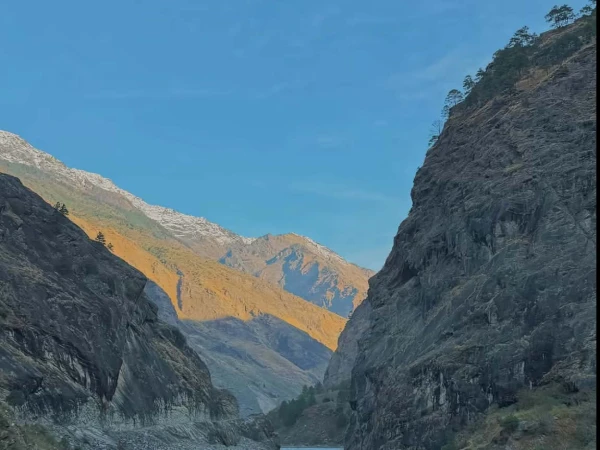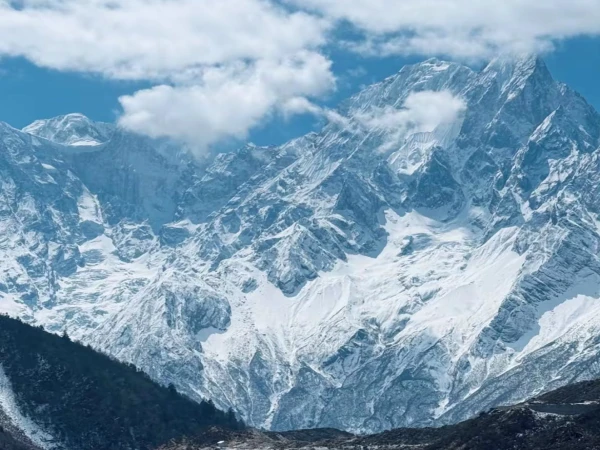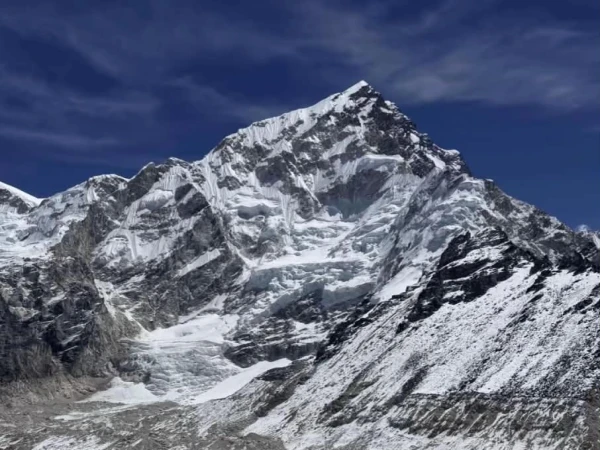
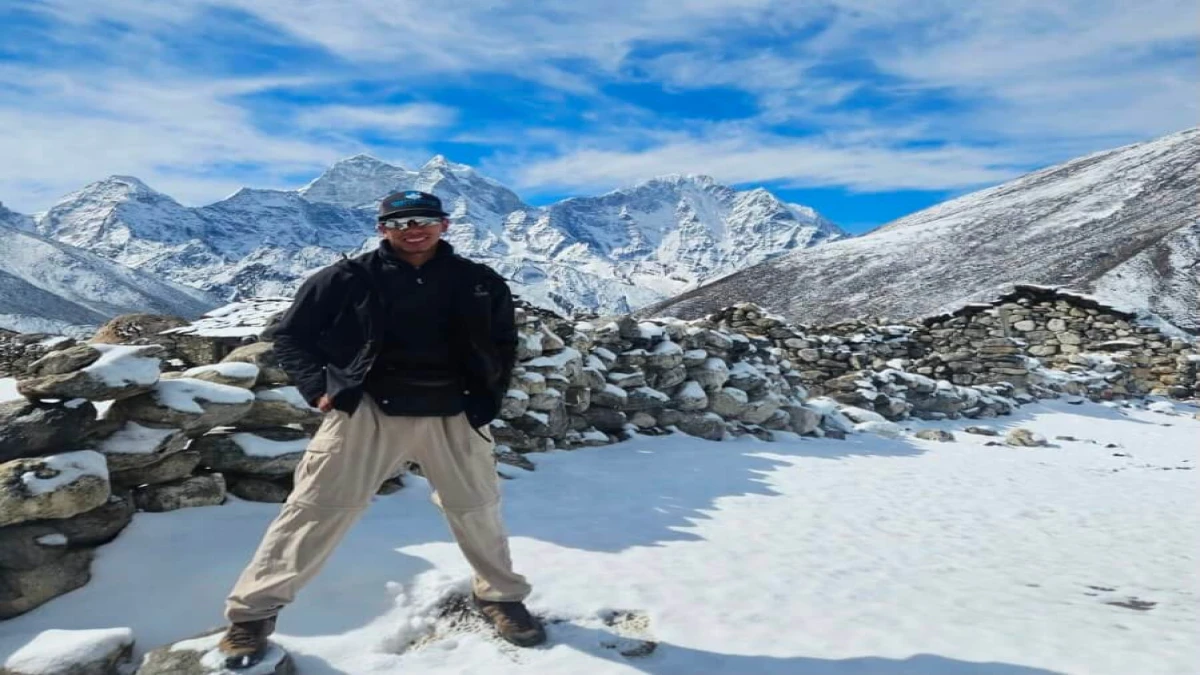
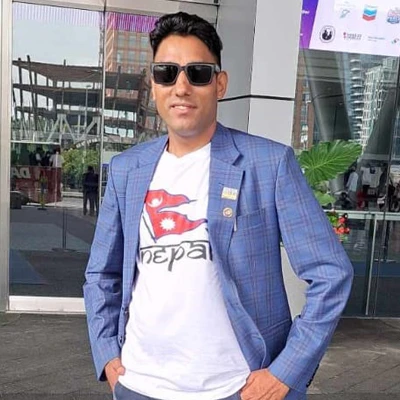
I still remember the first time I saw the sunrise at Annapurna. My hands were cold, my breath was frozen, and there was this weird feeling like the mountains were watching me. That trip changed something in me. I've been trekking across Nepal for years now, and honestly, I never get tired of it.
If you're reading this blog, then you might be dreaming of trekking in Nepal. Maybe you've seen photos of Everest Base Camp on Instagram, or maybe a friend told you about Annapurna, and you couldn't stop thinking about it.
When you search for a “Best Trek in Nepal” on Google, you can find thousands of Trekking routes. Some are easy walks through rice fields and rhododendron forests. While others will test your legs, your lungs, and your patience, too. So, picking the "best" one isn't as simple as it sounds.
That's what this guide is for. I'm not going to give you a random list that is ranked by random tourists. Instead, I want you to walk through the treks I've actually done. Also, the few hidden ones that don't get enough love. We'll talk about the difficulty, best seasons, and which trek actually suits you.
Whether you're a first-time trekker searching for something gentle or a seasonal trekker chasing high passes and thin air, there's a trail that suits both kinds. So grab a cup of tea and let's figure out which mountain is calling you.
Why Nepal is the World's Best Destination for Trekking
People ask me this all the time. Why Nepal and not anywhere else? Here's my answer. Nowhere else on earth gives you eight of the world's highest peaks in the same country.
But it's not just about height. It's about variety. You can start your morning in a lush green valley, walking past buffalo and terraced farms, and by the afternoon, you're staring up at a glacier. Nepal doesn’t let you get bored.
And then there are those loving Nepali people. I've sat in many tiny teahouses at 4,000 meters. It is freezing and exhausting, but still, some local family insists on feeding me dal bhat like I'm their own son. This kind of hospitality is something you cannot forget. The Sherpas, the Gurungs, the Tamangs, every region has its own culture, own language, and own way of welcoming strangers into their homes.
Cost really matters whiletrekking in Nepal. Nepal is still one of the most affordable ways to experience high-altitude adventure. Compare it to climbing in the Alps or trekking in Patagonia. Nepal wins for backpackers and budget travelers.
And if we talk about infrastructure, it's grown a lot. You get teahouses, lodges, proper trails, and permit systems that actually work best. Nepal has treks for beginners to experienced trekkers, so you don't need to be a hardcore mountaineer. Regular people, older folks, and families with good physical fitness can do it.
Quick Comparison of the Best Treks in Nepal
Okay, before we dive deeply into the treks, let me give you the quick version. Because I know not everyone wants to read 6000 words before deciding where to go. Here's a cheat sheet I wish someone had given me before my first trek.
| Trek | Difficulty | Duration | Best Season | Max Altitude | Best For |
| Everest Base Camp | Moderate-Hard | 12-14 days | Mar-May, Sep-Nov | 5,364m | Bucket-list chasers, experienced trekkers |
| Annapurna Circuit | Moderate-Hard | 12-18 days | Mar-May, Sep-Nov | 5,416m | Variety lovers |
| Annapurna Base Camp | Moderate | 7-10 days | Mar-May, Sep-Nov | 4,130m | First-timers wanting a real challenge |
| Langtang Valley | Easy- Moderate | 7-9 days | Mar-May, Sep-Nov | 3,870m | Short-on-time trekkers |
| Manaslu Circuit | Hard | 14-16 days | Mar-May, Sep-Nov | 5,160m | Offbeat adventurers |
| Upper Mustang | Moderate | 10-12 days | Year-round (rain shadow) | 3,840m | Culture seekers |
| Gokyo Lakes | Hard | 12-14 days | Mar-May, Sep-Nov | 5,357m | Views over crowds |
| Poon Hill | Easy | 4-5 days | Oct-Mar |
3,210m |
Families, beginners |
I'll be real with you. This table is just a starting point. Numbers don't tell the whole story. A "moderate" trek in monsoon season feels a lot harder than a "hard" trek in perfect October weather. So don't just pick based on the chart. Read the full breakdowns below, because that's where the real decision-making happens.
Nepal's Major Trekking Regions
Before we get into individual treks, you need to understand something. Nepal isn't just one big trekking zone. It is broken into regions, and each region gives you a different trekking experience. Let me tell you some popular trekking regions of Nepal:
Everest Region (Khumbu)
This is the famous region. It is is home to Everest Base Camp trek , Gokyo Lake trek, Ama Dablam trek, etc. The trails here are well-developed, teahouses are everywhere, and the Sherpa culture runs deep. Yes, this region is touristy, but there's a reason for that. The views you’ll get here are unmatched.
Annapurna Region
My personal favorite, if I'm being honest. This region has got everything. Rice paddies at the bottom, alpine forests in the middle, glaciers and high passes at the top. The Annapurna Circuit and Annapurna Base Camp treks live here, along with the easy, family-friendly Poon Hill trek.
Langtang Region
This trek is closer to Kathmandu compared to Everest or Annapurna, which makes it perfect if you're short on time. The crowds here are fewer too. This region offers a moderate trek through forests and Tibetan culture.
Manaslu Region
This trek is for people who've done a few treks already and want something wilder. It is less commercialized, requires a special permit, and the trails feel more raw and remote. You won't see the crowds like in the Annapurna and Everest region.
Mustang Region
Mustang region feels really different than other trekking regions of Nepal. It has a dry, desert-like landscape, ancient monasteries, and red cliffs. It's a rain-shadow area, which means you can also trek here even during the monsoon. Upper Mustang used to be a restricted kingdom, closed off to outsiders until 1992. There's still that forbidden-kingdom feeling when you walk through Lo Manthang.
Each region asks something different of you. Some want your legs, some want your patience, and some just want your curiosity. Now, figure out which one is calling you, and the rest of this guide will make a lot more sense.
How We Chose the Best Treks in Nepal
Before I tell you the top fifteen treks of Nepal, let me explain how this list even came together.
I didn't just pull these from some random article online. I’ve walked most of these treks myself. The one I haven't personally done yet is Manaslu, but I'm looking forward to this trek too. I've cross-checked with guides who've led groups there for years, and trekkers who came back and shared their honest opinions.
Here's what we actually looked at:
- Scenery and uniqueness: Trekking in Nepal is not just about pretty mountains. You’ll find pretty mountains everywhere in Nepal. We mean that the trail touches your heart and makes you stop and just stare.
- Difficulty range: We didn't only pick the hardest routes. A good list needs a balance of something for the old ages who want Himalayan views up close, and something for the guy who did Kilimanjaro last year and wants a real test.
- Cultural depth: Trekking isn't just elevation gain. It's also about who you meet along the way. Treks passing through living villages with welcoming locals, and not just about the scenery that's ranked higher.
- Infrastructure and safety: The treks with no proper teahouses or rescue access aren't in this list.
- Trekker feedback: We talked to people. Our old clients, local guides, and took reviews. What people say about a trek years later matters more than what they post the week they got back.
- Value for time and money: Not everyone has three weeks off work. Some treks give you 80% of the magic in half the time. That is also counted and listed.
So no, this isn't some random list copy-pasted from Google. It's built from the experience with real feedback from people who've actually stood up there, freezing, completely in awe.
15 Best Treks in Nepal
Everest Base Camp Trek
Everest Base Campis the destination that everyone dreams about. I remember standing at Kala Patthar at 5 am, hands shaking from cold, watching the sun hit Everest's summit first before anywhere else. You don't forget that.
Highlights: Kala Patthar sunrise view, Tengboche Monastery, Sherpa villages, hanging bridges over the Dudh Koshi river, Sagarmatha National Park.
Everest Base Camp Trek Facts:
- Duration: 12-14 days
- Max Altitude: 5,364m (Kala Patthar)
- Start Point: Lukla
- Permits: Sagarmatha National Park + Khumbu Rural Municipality
- Difficulty: Moderate to hard. Altitude is the real challenge here, not the terrain.
- Best Time: March-May, September-November.
Everest Base Camp Trek is best for trekkers who want the world's most famous mountain view and don't mind sharing the trail.
Annapurna Circuit Trek
If EBC is famous for one view, Annapurna Circuit trek is famous for a hundred different ones. You’ll get to see the rice paddies, glaciers, and high desert, all in one trek. My personal favorite, I said it before, I'll say it again.
Highlights: Thorong La Pass (5,416m), Muktinath Temple, Manang village, diverse landscapes across regions.
Annapurna Circuit Trek Facts:
- Duration: 12-18 days
- Max Altitude: 5,416m (Thorong La Pass)
- Start Point: Besisahar
- Permits: ACAP + TIMS
- Difficulty: Moderate to hard, mainly because of the pass crossing.
- Best Time: March-May, September-November.
Annapurna Circuit trek is best for trekkers who want variety over a single dramatic peak view.
Annapurna Base Camp Trek
Annapurna Base Camp trek is like a shorter and gentler cousin of the Circuit. But you should not underestimate this trek. Walking into the trail of ABC, with mountains on all sides, feels like walking into a movie. The views are quiet, massive, and humbling.
Highlights: 360-degree mountain view, rhododendron forests in spring, natural hot springs at Jhinu.
Quick Trek Facts:
- Duration: 7-10 days
- Max Altitude: 4,130m
- Start Point: Nayapul
- Permits: ACAP + TIMS
- Difficulty: Moderate. Good for a first serious trek.
- Best Time: March-May, September-November.
Annapurna Base Camp Trek is best for first-timers who want a real Himalayan experience without three weeks off work.
Langtang Valley Trek
Langtang Valley Trek is one of the closest Himalayan treks to Kathmandu. The 2015 earthquake hit this valley hard. Walking through rebuilt villages, meeting families who chose to stay, that hit me harder than any mountain view.
Highlights: Kyanjin Gompa, Langtang glacier views, Tamang culture, cheese factory at Kyanjin.
Quick Trek Facts:
- Duration: 7-9 days
- Max Altitude: 3,870m
- Start Point: Syabrubesi
- Permits: Langtang National Park + TIMS
- Difficulty: Easy to moderate.
- Best Time: March-May, September-November.
Langtang Valley is for the trekkers who are short on time but still want authentic Himalayan scenery.
Manaslu Circuit Trek
Manasu Circuit Trek gives you wild and raw views. Here are fewer teahouses, fewer trekkers, and a more peaceful environment. This one's next on my list, and every guide I've talked to says the same thing: go before it gets popular.
Highlights: Larke Pass (5,160m), views of Manaslu (world's 8th highest peak), remote Tibetan-influenced villages.
Quick Trek Facts:
- Duration: 14-16 days
- Max Altitude: 5,160m (Larke Pass)
- Start Point: Soti Khola
- Permits: Restricted Area Permit + MCAP + ACAP
- Difficulty: Hard
- Best Time: March-May, September-November.
Manaslu Circuit Trek is best for experienced trekkers who want solitude and remoteness.
Upper Mustang Trek
Walking into Lo Manthang feels like time travel. Here you’ll get to explore red cliffs, whitewashed monasteries, and a walled city that was forbidden to outsiders until 1992. Nothing else in Nepal feels quite like this place.
Highlights:Lo Manthang walled city, ancient cave monasteries, desert-like Tibetan plateau landscape, sky caves of Chhoser.
Quick Trek Facts:
- Duration: 10-12 days
- Max Altitude: 3,840m
- Start Point: Jomsom
- Permits: Restricted Area Permit (expensive one, budget for it)
- Difficulty: Moderate. Altitude gain is gradual.
- Best Time: Year-round, rain-shadow area, great even in monsoon.
It is Best for culture and history lovers more than pure mountain-view chasers.
Gokyo Lakes Trek
Gokyo Lake lies in the same region as EBC, but has a completely different vibe. The turquoise lakes against grey rock and white snow look almost fake. Climbing Gokyo Ri for sunrise can be just as good as Kala Patthar.
Highlights: Gokyo Ri viewpoint, turquoise glacial lakes, Ngozumpa glacier (Nepal's largest), views of four 8,000m peaks from one point.
Quick Trek Facts:
- Duration: 12-14 days
- Max Altitude: 5,357m (Gokyo Ri)
- Start Point: Lukla
- Permits: Sagarmatha National Park + Khumbu Rural Municipality
- Difficulty: Hard.
- Best Time: March-May, September-November.
Gokyo Lake Trek is best for trekkers who want Everest-region views with fewer crowds than at base camp.
Poon Hill Trek
This trek is my go-to recommendation for total beginners or anyone who just wants a taste of the Himalayas without punishing their legs. Sunrise over Annapurna and Dhaulagiri from Poon Hill is a huge reward for a short trek.
Highlights: Poon Hill sunrise viewpoint, Ghandruk village, rhododendron forests (spring is unreal here).
Quick Trek Facts:
- Duration: 4-5 days
- Max Altitude: 3,210m
- Start Point: Nayapul
- Permits: ACAP + TIMS
- Difficulty: Easy.
- Best Time: October-March (also decent in spring).
Poon Hill trekis best for families, beginners, and anyone with limited time.
Three Passes Trek
For the trekkers who did EBC and thought "that wasn't hard enough." These kinds of experienced trekkers can definitely trek the Three Passes Trek. The three high passes, which are all above 5,000m, connect Everest and Gokyo regions. This trek earns every bit of respect it gets.
Highlights: Kongma La, Cho La, and Renjo La passes, combines EBC and Gokyo Lakes, incredible variety of terrain.
Quick Trek Facts:
- Duration: 18-20 days
- Max Altitude: 5,535m (Kongma La)
- Start Point: Lukla
- Permits: Sagarmatha National Park + Khumbu Rural Municipality
- Difficulty: Very hard.
- Best Time: March-May, September-November.
Three Passes trek is best for experienced and fit trekkers chasing a real challenge.
Mardi Himal Trek
This is one of the underrated treks in Nepal. Walking the ridge with Machapuchare so close, it feels like you could touch it.
Highlights: Narrow ridge trail, close-up Machapuchare and Annapurna South views, forest trails less crowded than ABC.
Quick Trek Facts:
- Duration: 5-7 days
- Max Altitude: 4,500m
- Start Point: Kande
- Permits: ACAP + TIMS
- Difficulty: Moderate.
- Best Time: March-May, September-November.
Mardi Himal Trek is best for trekkers who want ABC-level views without ABC-level crowds.
Kanchenjunga Base Camp Trek
Kanchenjunga is the world's third-highest mountain, and one of the least trekked base camps around it. This is for people who want to earn their views.
Highlights: Kanchenjunga's south and north base camps, remote villages, minimal tourist infrastructure, rich biodiversity.
Quick Trek Facts:
- Duration: 18-22 days
- Max Altitude: 5,143m
- Start Point: Taplejung
- Permits: Restricted Area Permit + KCAP
- Difficulty: Very hard.
- Best Time: March-May, September-November.
Kanchenjunga Base Camp Trek is best for the serious trekkers craving true remoteness. Here, you'll probably see more yaks than tourists.
Rara Lake Trek
Rara Lake is Nepal's largest lake, which is tucked away in the far west, where almost nobody goes. I met a guide once who'd done EBC fifteen times and Rara only once, and he said Rara stuck with him more. So, this trek is definitely something.
Highlights: Rara Lake itself (deep blue, surreal), Rara National Park wildlife, remote far-western culture.
Quick Trek Facts:
- Duration: 8-10 days
- Max Altitude: 3,700m
- Start Point: Jumla
- Permits: Rara National Park entry
- Difficulty: Moderate.
- Best Time: March-May, September-November.
This trek is perfect for trekkers who want something completely off the mainstream trail. There are barely any crowds, and a lake that looks unreal in photos, but somehow better in person.
Everest View Trek
Everest View trek is for people who want Everest without the extreme trek. This is the shortest way to see the big mountain up close. My mother did this one at 60 years old, and she still talks about it.
Highlights: Namche Bazaar, Everest and Ama Dablam views, Sherpa culture, Tengboche Monastery.
Quick Trek Facts:
- Duration: 5-7 days
- Max Altitude: 3,880m (Everest View Hotel)
- Start Point: Lukla
- Permits: Sagarmatha National Park + Khumbu Rural Municipality
- Difficulty: Easy to moderate.
- Best Time: March-May, September-November.
This trek is best for older trekkers, families, or anyone with limited time wanting Everest views.
Upper Dolpo Trek
This trek is isolated, with ancient Bon Buddhist culture and landscapes that feel almost lunar. Not many trekkers make it out here, and that's exactly why it's special.
Highlights: Shey Phoksundo Lake, Shey Gompa, remote Bon Buddhist villages, dramatic desert-mountain terrain.
Quick Trek Facts:
- Duration: 18-24 days
- Max Altitude: 5,360m
- Start Point: Juphal
- Permits: Restricted Area Permit (one of the priciest)
- Difficulty: Very hard.
- Best Time: May-October (different window than most treks, rain-shadow effect).
Best for serious adventurers wanting deep cultural immersion and true isolation. This trek doesn't feel like a trek. It feels like an expedition into another world.
Helambu Trek
Helambu trek is close to Kathmandu, gentle, and underrated. Good for weekends, good for beginners, good for people who just want a taste of Himalayan life without much planning. I recommend this one to friends visiting Nepal for the first time, for short trips.
Highlights: Sherpa and Tamang villages, forested trails, proximity to Kathmandu, gentle terrain.
Quick Trek Facts:
- Duration: 5-7 days
- Max Altitude: 3,650m
- Start Point: Sundarijal
- Permits: Shivapuri Nagarjun National Park + TIMS
- Difficulty: Easy.
- Best Time: March-May, September-November.
Best for beginners, short-trip travelers, and anyone based in Kathmandu wanting a quick escape.
Best Treks in Nepal by Travel Style
Not everyone treks for the same reason. Some people want a challenge, some want peace, while some just want their kid to see snow for the first time. So let me break it down by what kind of trekker you actually are.
For First-Timers
Annapurna Base Camp, Poon Hill, Everest View Trek. These treks provide enough altitude to feel real, but not very extreme.
For Bucket-List Chasers
Everest Base Camp and Annapurna Circuit. If you want to feel like, yes, I did something huge.
For Families and Older Trekkers
Poon Hill, Helambu, Everest View Trek. These treks are of shorter days, lower altitude, and teahouses close together, so nobody's pushing themselves too hard.
For Solo Adventurers Wanting Solitude
Manaslu Circuit, Upper Dolpo, Kanchenjunga Base Camp, Rara Lake. Less trail traffic, more of something like just me and the mountains. It is a feeling that gets addictive.
For Culture and History Lovers
Upper Mustang, Upper Dolpo, Langtang Valley. These treks give you villages and monasteries as much as they give you mountain views.
For the Serious Challenge-Seekers
Three Passes Trek, Kanchenjunga Base Camp, Manaslu Circuit. These are high-pass treks with long days and real altitude gain.
For Short-on-Time Travelers
Poon Hill, Helambu, Everest View Trek. All these treks are doable in under a week, and all still give you that genuine Himalayan feeling.
For Photography Lovers
Gokyo Lakes for the beautiful lake shots, Upper Mustang for the red-cliff desert vibe, and Mardi Himal for that close-up Machapuchare shot that everyone wants.
Best Time to Trek in Nepal
Timing matters more than people think. I've seen trekkers show up in the wrong season, soaked, frustrated, and staring at clouds. Don't be that person. Let me break down the seasons.
- Spring (March-May): This is my favorite season, if I had to pick one. In this season, rhododendron forests explode into red and pink, temperatures are mild, and the skies are usually clear. This is peak season for a reason. So, book ahead if you're going this time of year.
- Monsoon (June-August): Most trekkers skip this season because the trails get muddy, leeches show up, and cloud cover blocks a lot of mountain views. But Upper Mustang and Upper Dolpo sit in a rain-shadow area, so they're actually great during the monsoon.
- Autumn (September-November): This is the golden season. You’ll get the clear skies, stable weather, and incredible visibility. It's also the busiest season, sometimes busier than spring even. Everest Base Camp trail in October feels the best for trekkers.
- Winter (December-February): Lower-elevation treks like Poon Hill can be done in this season with fewer crowds and crisp, clear air. Higher passes like Thorong La and Larke Pass can close due to snow. So winter is great for the lower treks, but risky for the high-altitude, unless you're prepared and experienced.
If you want crowd-free trails and don't mind some cold, go in winter or early spring. If you want guaranteed clear mountain views and don't mind sharing the trail, autumn's your season. If you're set on Mustang or Dolpo, the monsoon actually works in your favor.
There's no universally "wrong" time to trek in Nepal. Just wrong times for specific treks. Match the season to the region, and you'll be fine.
Essential Trekking Tips While Trekking in Nepal
Before you go and book flights, let me share the stuff nobody tells you until you're already on the trail, freezing, or realizing you forgot something important. Even I learned most of these the hard way.
- Pack light, but pack smart: Your every extra kilo matters at altitude. So, carry less but be smart. Try layering instead of wearing one heavy piece of clothing. A good down jacket, moisture-wicking base layers, and a decent sleeping bag help you more than you think.
- Altitude sickness is real: I've seen strong, fit people get hit hard by altitude. So, AMS is not just about fitness; it's about acclimatization. Go slow and drink way more water than feels necessary. And if you feel dizzy, nauseous, or get a bad headache, tell your guide immediately.
- Get travel insurance: Get the travel insurance that covers helicopter evacuation above the altitude you're trekking to. This is non-negotiable. Rescue costs without insurance can bankrupt you.
- Break in your boots before you arrive: New boots on day one of a two-week trek are asking for blisters that'll ruin your whole trip. Wear them for weeks before you go. Your feet will thank you later.
- Carry some cash: You might not find ATMs on the trail. So, bring enough Nepali rupees for the teahouses, snacks, hot showers, wifi, and other things that you want.
- Hire a guide or porter: Some people want the solo trek. But hiring local guides and porters isn't just about safety, but it directly supports the communities you're walking through. Plus, they know the trail better than any map ever will.
- Don't rush your itinerary: I've seen trekkers try to compress a 12-day trek into 8 to save money or time. That’s a bad idea. Rushing increases your risk of altitude sickness.
- Respect local customs: Walk clockwise around mani walls and stupas. Ask before photographing people. Dress modestly near monasteries. These are the small things, but they matter a lot to the communities hosting you.
- Learn a few Nepali phrases: "Namaste" and “Dhanyabaad” go a long way. Locals notice the effort, and honestly, it changes how warmly you're welcomed.
At the end of the day, preparation isn't about turning trekking into a stressful checklist. It's about removing the things that could ruin an incredible trip.
Are you ready to trek in Nepal?
So, here is a complete guide. Fifteen treks, four seasons, and a dozen questions to ask yourself, and hopefully, you got a much clearer idea of which mountain is calling your name.
I won't lie to you and pretend every trek in this guide is easy, or that every day on the trail feels magical. Some days you'll be tired, cold, maybe a little cranky, wondering why you signed up for this. And then you'll turn a corner, see a peak you've only seen in photos before, standing right there in front of you, and every bit of the trek will make sense.
I've guided and trekked these trails for years now, and honestly, I still get that same excited, nervous feeling before every trip. That never goes away. If you've made it this far in the guide, you're not just curious anymore. You're planning. So, let's make it happen.
Whether you want the classic Everest Base Camp experience, something wild and remote like Dolpo, or a short escape like Poon Hill for your first taste of the Himalayas, there's a trail waiting for you. And you don't have to figure it all out alone. Reach out to Himalayan Partner, tell us what you're dreaming of, and let's find your trek together.