Accommodation During the Luxury Everest Base Camp and Gokyo Lake Trek
Accommodation during the Everest Base Camp and Gokyo Lake Trek is mostly in traditional tea houses and mountain lodges. Nothing is fancy here, but we'll provide the best among all.
In lower villages like Phakding and Namche Bazaar, the tea houses are usually more comfortable with cozy dining halls, bakeries, hot showers, and even WiFi in some places. As the trek goes higher toward Dole, Machhermo, and Gokyo, accommodation becomes more basic, and rooms are smaller.
Most rooms are twin-sharing with simple beds, pillows, and blankets. But after trekking for hours in the Himalayas, even a simple bed feels amazing.
Meals and Drinking Water on the Luxury Everest Base Camp and Gokyo Lake Trek
Food in the Everest region is actually better than many trekkers expect. Tea houses serve warm and filling meals. Dal Bhat and vegetables are the most common meal. It is simple but really good after a long hike.
You’ll also find noodles, fried rice, pasta, soups, pancakes, eggs, potatoes, and even bakery items in bigger villages like Namche Bazaar. As you go higher, menu prices slowly increase because everything is carried into the mountains by porters or yaks.
For drinking water, most trekkers use boiled water or refill bottles with purification tablets. Buying plastic bottles every day is not really recommended.
Difficulty Level of Luxury Everest Base Camp & Gokyo lake Trek with Helicopter
The Everest Base Camp & Gokyo Trek is considered moderately difficult to challenging. This trek is not impossible, but definitely not an easy walk.
You’ll walk for several hours every day, often on rocky trails with steep uphill climbs. As the altitude increases, breathing becomes slower. Even simple things like climbing stairs can suddenly feel harder than expected.
You do not need technical climbing skills for this Everest trek. What really matters is good fitness, patience, and walking at a slow and steady pace.
The biggest challenge is altitude. Places like Gokyo, Gorakshep, and Kala Patthar sit above 5,000 meters, where the air becomes thin and dry. Some days your body feels strong, and it will not. And it's normal in the mountains.
The good thing about our package is the acclimatization days and the helicopter return. It helps to reduce physical exhaustion compared to longer Everest trekking routes.
You still experience Everest Base Camp, Gokyo Lakes, Kala Patthar, and stunning Himalayan scenery without spending too many extra days trekking back down the same trail. So, even though this trek is tough, we made it easier for you.
Altitude Sickness and Acclimatization during the Luxury Everest Base Camp Trek
Altitude sickness is one of the biggest challenges during the Everest Base Camp & Gokyo Trek. Once you go above 3,000 meters, the air starts getting thinner, and your body slowly feels it. Headache, sleeping difficulty, dizziness, fatigue, loss of appetite, nausea, vomiting, shortness of breath, etc., are the symptoms of Altitude Sickness.
That’s why acclimatization is super important during the Everest trek in Nepal. This itinerary includes a rest day at Namche Bazaar, so your body gets time to adjust properly before heading higher toward Gokyo Lakes, Gorakshep, and Kala Patthar.
Best Time for Luxury Everest Base Camp & Gokyo Helicopter Trek
The best time for the Everest Base Camp & Gokyo Helicopter Trek is during spring and autumn. These seasons usually offer clear mountain views, stable weather, and better trekking conditions.
- Spring Season: This season, from March to May, feels colorful and lively. Rhododendron forests bloom along the trail, temperatures stay more comfortable, and the Himalayan views are absolutely stunning.
- Autumn Season: This season, from September to November, is probably the most popular trekking season in the Everest region. The skies are usually crystal clear after the monsoon rain, making the mountain scenery look even sharper and more dramatic.
- Off-seasons: Winter treks are possible too, but temperatures get extremely cold at higher altitude. Monsoon season brings rain, clouds, and possible flight delays around Lukla.
Helicopter Flight from Gokyo to Gorakshep
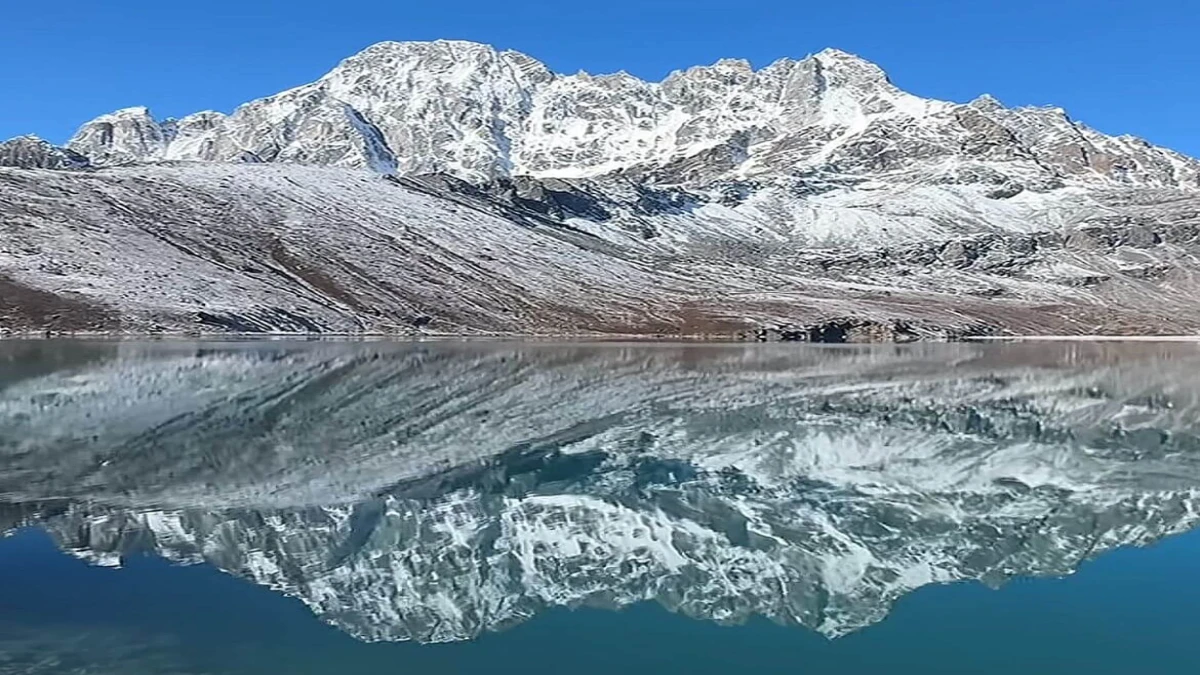
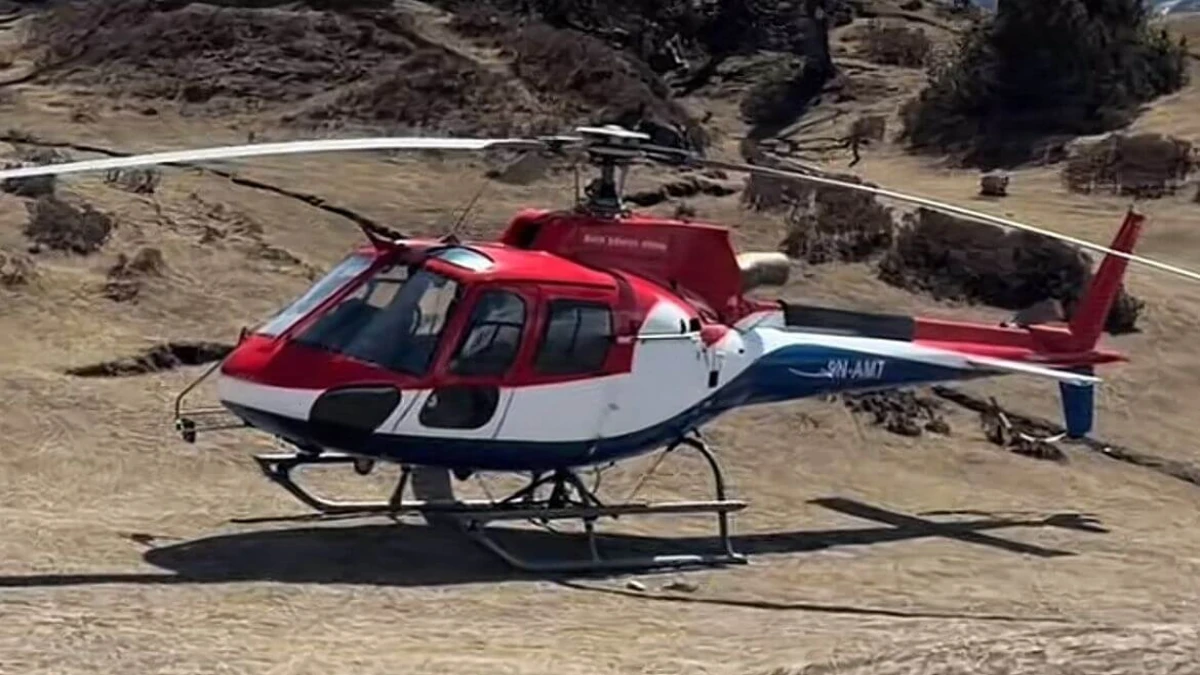
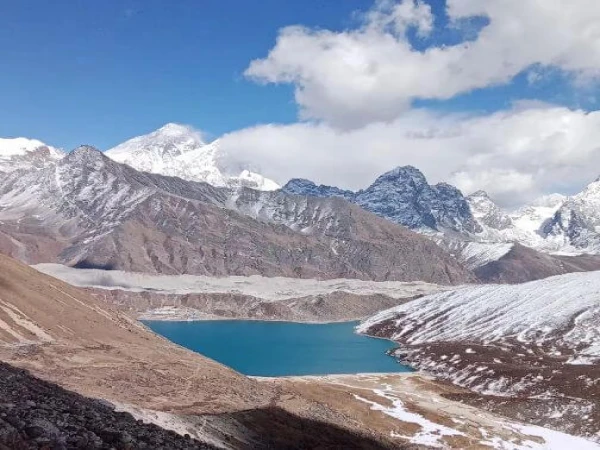
The helicopter flight from Gokyo to Gorakshep is easily one of the most exciting parts of this Everest Base Camp and Gokyo trekking package. One moment you are standing beside the peaceful Gokyo Lakes, and the next moment you are flying above glaciers, snowy valleys, and massive Himalayan peaks.
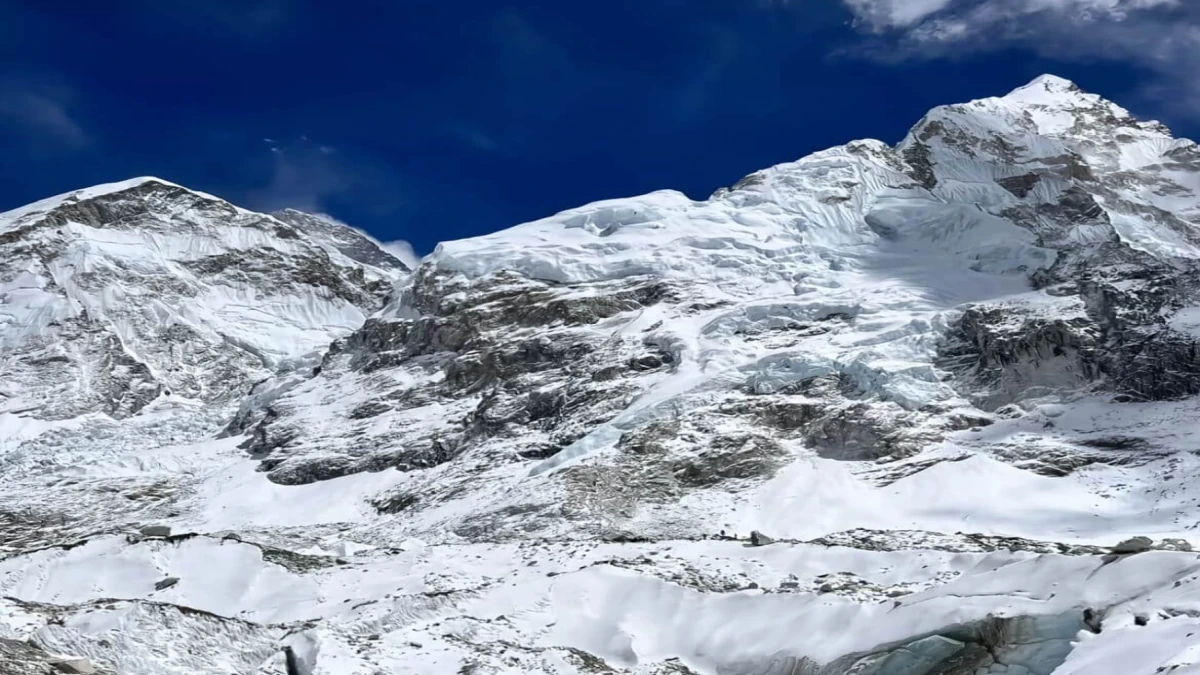
The views during the flight are unbelievable. You can see the Khumbu Glacier, icy mountain ridges, and remote parts of the Everest region that most trekkers only see from the ground.
This helicopter return also saves several extra trekking days and helps to reduce physical exhaustion at high altitude. Instead of backtracking long routes, you experience Everest in a faster, more scenic, and more comfortable way.
Everest Base Camp vs Gokyo Lakes Trek
Both the Everest Base Camp Trek and Gokyo Lakes Trek are beautiful Himalayan adventures, but the experience feels slightly different.
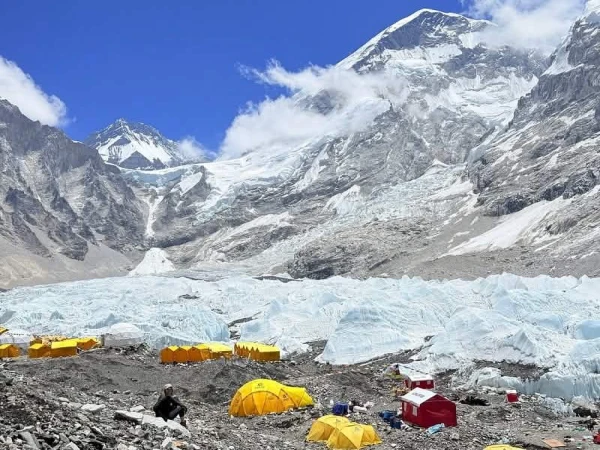
The classic Everest Base Camp Trek is more popular and busier. Trekkers choose it mainly for the chance to stand at Everest Base Camp and hike to Kala Patthar for close-up Mount Everest views.
The Gokyo Lakes Trek feels quieter and more peaceful. The trails have fewer crowds, and the scenery around the lakes and glaciers feels almost untouched. Many trekkers actually say the view from Gokyo Ri is even better than Everest Base Camp itself.
This itinerary combines both experiences into one unforgettable trek. You get Everest Base Camp, Gokyo Lakes, Kala Patthar, mountain flights, and the best of the Everest region together. It is honestly hard to choose just one.
Permits Required for Everest Base Camp & Gokyo Trek
Trekkers need a few permits before entering the Everest region in Nepal. These permits are checked along the trail during the Everest Base Camp & Gokyo Trek. The main permits required are:
- Sagarmatha National Park Permit
- Khumbu Pasang Lhamu Rural Municipality Permit
Both are compulsory for trekking in the Everest region. These permits help to support trail maintenance, local communities, and conservation efforts inside the Himalayas. We’ll arrange all permit paperwork before the trek starts, so you don’t need to worry much about the process.
Packing List for Everest Base Camp & Gokyo Trek
Packing for the Everest Base Camp & Gokyo Trek is not about carrying more. It’s about carrying smart. You need warm layers, not fancy clothes. Good trekking boots matter a lot. Break them in before the trip.
Clothing
- Base Layers (tops & bottoms)
- Outer Layer (jackets & pants)
- Trekking Pants
- Warm hat, gloves, scarfs
- Undergarments & Socks
Footwear
- Trekking Boots
- Camp Shoes or Slippers
Essential Gear
- Backpack
- Sleeping Bag
- Trekking Poles
- Headlamp
- Water Bottle or Hydration System
- Sunglasses & Sunscreen
Medications & First Aid
- First Aid Kit
- Altitude Sickness Medication
- Personal Medications, if any, are prescribed
Important Documents
- Passport & Visa Copy
- Trekking Permits
- Travel Insurance
Miscellaneous Essentials
- Camera
- Snacks & Energy Bars
- Toiletries
Internet, Charging, and Communication Facilities of Everest Base Camp and Gokyo Trek
Yes, there is internet on the Everest Base Camp & Gokyo Trek. In places like Namche Bazaar, WiFi is usually available in most tea houses. Sometimes it works well, sometimes it doesn’t. Higher up in places like Machhermo or Gokyo, the connection becomes slow or unstable.
Charging facilities are available too, but mostly in dining areas and often at extra cost. Electricity is limited because everything runs in remote mountain conditions.
Mobile networks like NTC and Ncell work in some parts of the trail, especially in the lower sections. But after Namche, signals become weak and unpredictable.
Honestly, this trek is a good chance to disconnect a little. The mountains don’t really need WiFi anyway.
Travel Insurance for Everest Trekking
Travel insurance is not optional for the Everest Base Camp & Gokyo Lake Heli return Trek. It is really essential. The biggest reason is altitude and emergency evacuation. In the Everest region, sometimes a helicopter rescue is the only option if someone gets seriously sick or injured.
The travel insurance should cover:
- High altitude trekking above 5,000m
- Helicopter evacuation
- Medical emergencies in remote areas
- Trip delays or cancellations
Most trekkers don’t think about insurance until something goes wrong. But in the Himalayas, it matters a lot.
How to Prepare for the Luxury Everest Base Camp & Gokyo Trek with Helicopter
Preparing for the Everest Base Camp & Gokyo Trek is not complicated, but it does need some effort.
Start walking more before your trip. Doing some simple hikes, stair climbing, or long walks helps your body to adjust. You don’t need to be an athlete, but basic stamina makes a big difference on the trail.
Train your legs and lungs. This is a real key, because in the Himalayas, you will be walking for hours every day, sometimes uphill, sometimes on rocky paths.
Mental preparation also matters a lot during your Everest region Trek. The weather can change, flights can be delayed, some days feel easy, and some days feel tough. That’s normal in the Everest trek.
Drink water regularly during the trek. Eat well and walk slowly. Many trekkers try to rush in the beginning and regret it later.
Just be ready for simple living, long walking days, and big mountain views that makes everything worth it.
Why Should You Trek with Himalayan Partner?
To trek to Everest, one needs experience, local knowledge, and real support on the trail.
With Himalayan Partner, the journey feels more personal. Not rushed and robotic. Our guides know the route, the weather, and even those small tea houses where you get the best warm soup after a cold day.
Safety comes first, especially in high-altitude areas like Gokyo, Gorakshep, and Kala Patthar. Our team watches your pace, your health, and helps when the altitude starts affecting you.
Logistics are handled smoothly. Permits, flights, accommodations, everything is arranged so you can just focus on walking and enjoying the Himalayas.
This trek will feel like trekking with people who actually care. Not just a service, but it's more like support on the mountain.