Annapurna Base Camp with Poon Hill Trek - 9 Days

Trekking
Annapurna Circuit Trek with Tilicho lake-16 Days
annapurna-circuit-trek
Annapurna Circuit Trek with Tilicho lake-16 Days
Quick Overview
Duration9 Days
Trip GradeModerate
CountryNepal
Maximum Altitude4130m
Group Size15
StartsKathmandu or Pokhara
EndsKathmandu or Pokhara
ActivitiesTrekking
Best TimeSpring and Autumn

Annapurna Base Camp with Poon Hill Trek Overview

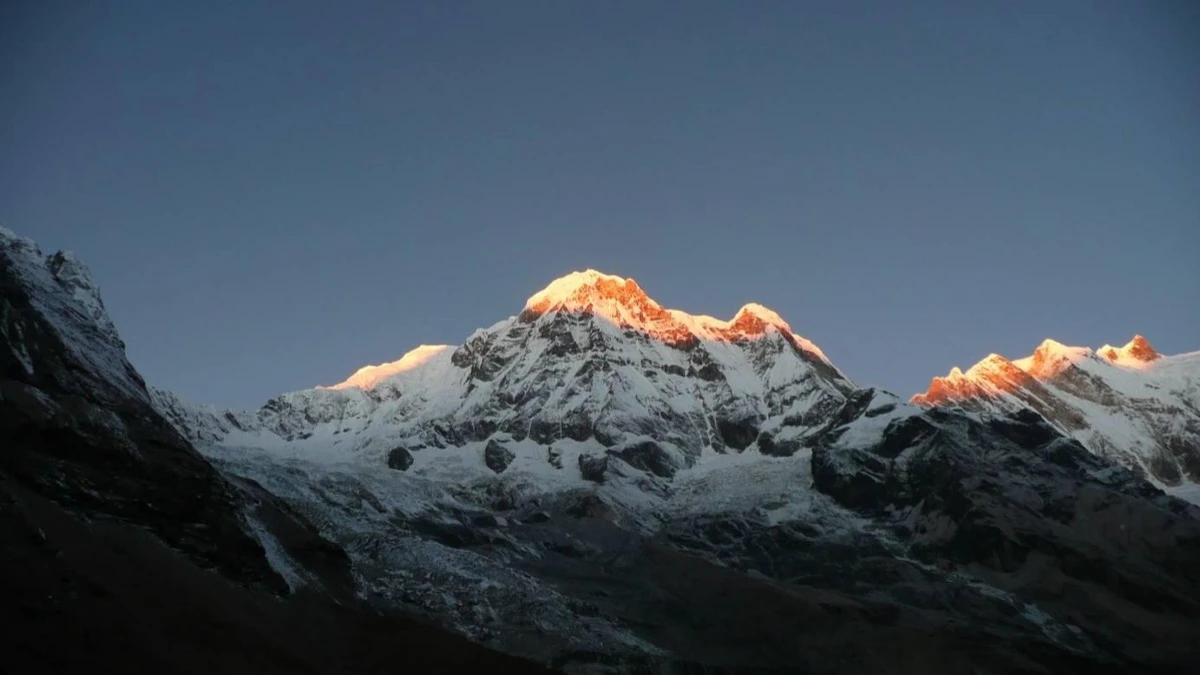
Our guide Dawa stood on Poon Hill with a tourist group from the Philippines; the view he saw when the sun hit Annapurna and Dhaulagiri was something else. It looked like someone turned on a golden light inside the mountain. Nobody said a word, but everyone was overwhelmed. That moment is what this trek is all about.

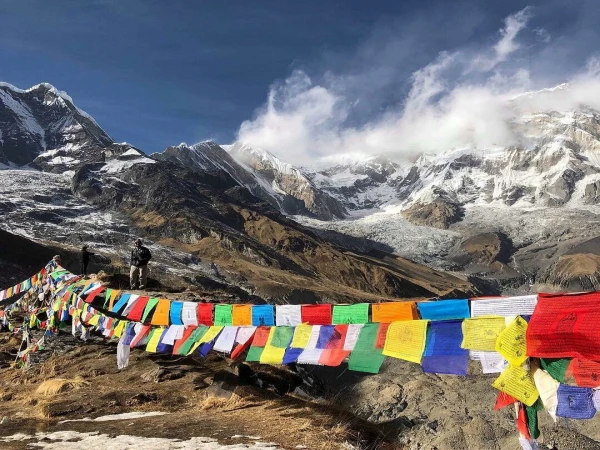
This Annapurna Base Camp with Poon Hill Trek runs for 9 days. It gives you two of the best views in Nepal. First, you get the magical Poon Hill sunrise. It's one of the most photographed views in the whole Annapurna region. Then you walk deeper into the Annapurna Sanctuary. Finally, you reach Annapurna Base Camp at 4,130m. Then the big mountains like Machhapuchhre, Annapurna I, and Hiunchuli surround you. They feel so close and barely feel real.

Along the way, you'll pass through small Gurung and Magar villages. You'll walk through rhododendron forest, cross suspension bridges, and stay in the local teahouses too. After a long day of walking, a hot bowl of dal bhat tastes better than you'd expect. There's no technical climbing on this trek. No ropes or ice axes are needed. You just need steady walking and good rest days, then the trail will reward your patience.

ABC trek works well for both beginners and experienced trekkers. You just need good shoes and a steady pace. Then this route gives you the views that stay with you forever and the moments that feel bigger than words. So if you're ready to walk toward the Annapurna Sanctuary, this is your trek. Book your Annapurna Base Camp with Poon Hill trip today, and let the mountains do the rest.

Annapurna Base Camp with Poon Hill Trek Highlights

  • Watch the sunrise from Poon Hill (3,210m), one of the best viewpoints in the Annapurna region
  • Reach Annapurna Base Camp (4,130m), surrounded by towering snow-covered mountains
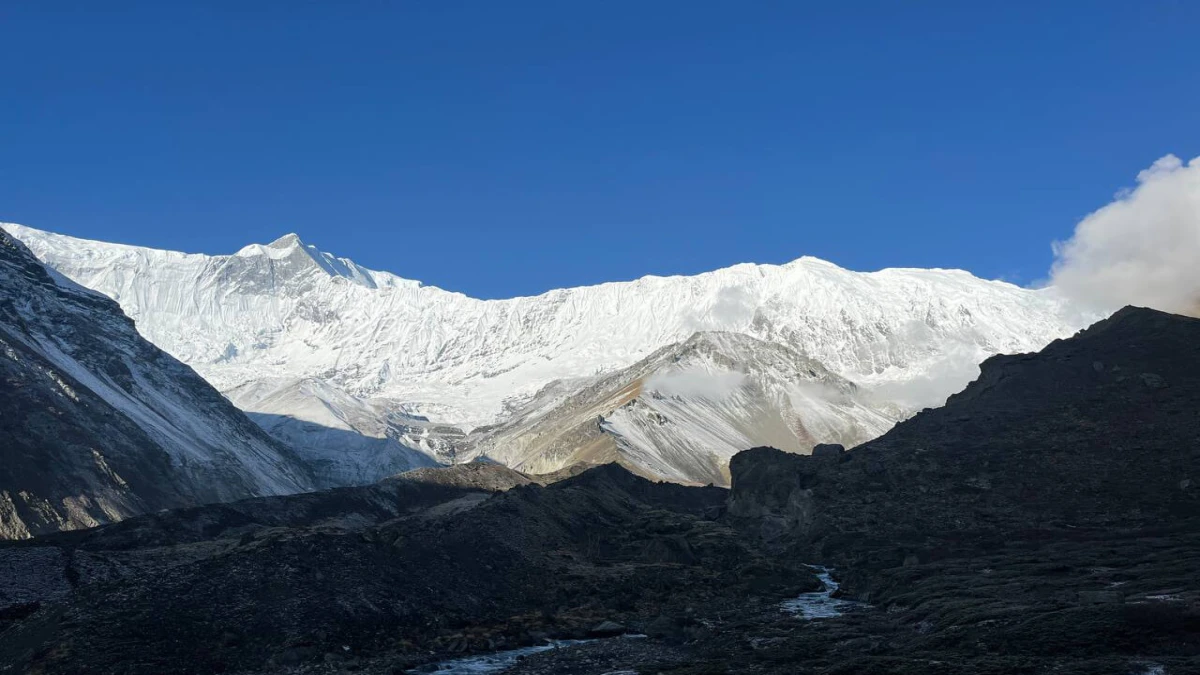
  • See Annapurna I, Annapurna South, Machhapuchhre, and Hiunchuli closer.
  • Walk through the Annapurna Sanctuary, a valley surrounded by mountains
  • Pass through traditional Gurung and Magar villages
  • Trek through thick rhododendron forests, especially colorful during the spring season
  • Stay in cozy teahouses, with hot meals and warm blankets after long walking days
  • Enjoy a 9-day itinerary built for proper acclimatization, no rushing, no shortcuts
  • One of thebest treks in Nepal for mountain views without extreme altitude risk

Who Is the Annapurna Base Camp with Poon Hill Trek Best For?

Honestly, the ABC trek fits more people than you'd think. You don't need to be a mountaineer or have years of hiking experience. If you can walk 5-6 hours a day and handle a bit of cold at higher altitude, then yes, you're good to go.

First-time trekkers often pick the Poon Hill route for a reason. It gives you real Himalayan views without pushing you to extreme altitudes. You’ll get steady trails, proper rest days, and a slow build-up to Annapurna Base Camp.

Experienced hikers can also enjoy this trek, especially the ones who've done bigger treks before and just want something classic. You get the magical Poon Hill sunrise, Annapurna Sanctuary, teahouse life, and a lifetime memory, all packed into these 9 well-paced days.

Annapurna Base Camp Trek works well for:

  • Beginners looking for their first proper Himalayan trek, one that's tough but doable
  • Couples or friends who want a shared adventure without going too extreme
  • Photographers chasing that iconic Poon Hill sunrise shot
  • Nature lovers who want rhododendron forests, mountain villages, and glacier views in one trip
  • Trekkers with limited time who still want the full Annapurna Base Camp experience but not a rushed version
  • Fitness-focused travelers who want a physical challenge, just not an extreme one

The one thing you should know is that this trek isn’t for people who are expecting a lazy walk in the park. ABC is a real trek with long days, cold mornings, and tired legs by evening. But if you're reasonably fit and mentally ready for a bit of discomfort, the Annapurna Base Camp with Poon Hill trek rewards you well beyond what it asks for.

How Many Days Do You Need for the Annapurna Base Camp with Poon Hill Trek?

This is probably the first question everyone asks before the trek. And the honest answer is, it depends on your pace and how much time you can spare.

Most trekkers complete the Annapurna Base Camp with Poon Hill trek somewhere between 7 to 14 days. Longer itineraries add extra rest days, side trips, or slower village-to-village walking. While shorter ones cut travel time by using flights instead of long drives, and move a bit faster between stops.

Our Annapurna Base Camp with Poon Hill itinerary is set at 9 days, and it hits a good balance. There’s enough time to properly acclimatize, enjoy the Poon Hill sunrise without rushing, and reach Annapurna Base Camp feeling strong. It is good for people who want the full experience without taking extra time out of their schedule.

Here's roughly how the 9 days break down:

  • Day 1, getting to the trailhead and starting the walk
  • 2 days climbing toward Poon Hill and through Gurung villages
  • 2-3 days pushing further into the Annapurna Sanctuary, reaching Base Camp
  • 2-3 days descending back down, faster than the climb up, and returning back

Could you trek to Annapurna Base Camp with Poonhill in fewer days? 

Yes, some fast-paced itineraries squeeze it into 7. But that leaves less time for acclimatization, and altitude sickness becomes more of a real concern. For most trekkers, 9 days is the number that just makes sense, enough time on the trail, without wasting your holiday getting there.
Annapurna Base Camp with Poon Hill Trek - 9 Days Itinerary

Trip PlanExpand all

Walking time: 4–5 hours

Elevation: 1,540 m

Start your adventure with a drive from Pokhara to Nayapul, the official starting point of the trek. From Nayapul, trek to Tikhedhunga through small villages, farmland, and riverside paths. The trail is gentle but includes some uphill steps. Arrive in Tikhedhunga and settle into your teahouse. Rest and prepare for the climb to Ghorepani the next day.If you’re feeling energetic, you can climb the steep stone stairway to Ulleri, a traditional Magar village perched on the hillside.

Max Altitude: 1,540 m Meals: Breakfast/Lunch/DinnerAccommodation: Tea House

Walking time: 6–7 hours

Elevation gain: ~1,200 m

Elevation: 2,860 m

Today involves a steady climb through terraced fields, rhododendron forests, and waterfalls. You’ll pass local villages and interact with friendly mountain communities. Arriving in Ghorepani, enjoy the cozy tea houses and stunning views of the surrounding hills. Rest early to wake up for the Poon Hill sunrise tomorrow.

Max Altitude: 2,860 m Meals: Breakfast/Lunch/DinnerAccommodation: Tea House

Walking time: 5–6 hours

Elevation: 2,630 m

Wake up early for the sunrise view from Poon Hill 2026, one of the highlights of the trek. The panoramic view of Annapurna, Dhaulagiri, and Machapuchare is unforgettable. After sunrise, return to Ghorepani for breakfast and continue the trek to Tadapani. The trail passes lush forests and streams. Tadapani is a peaceful village with comfortable lodging.

Max Altitude: 2,630 m Meals: Breakfast/Lunch/DinnerAccommodation: Tea House

Walking time: 5–6 hours

Elevation: 2,170 m

Descend through forests and small settlements before gradually ascending to Chhomrong, a traditional Gurung village. The trail offers beautiful views of the Annapurna massif. Chhomrong is an ideal stop to rest and enjoy local hospitality while preparing for the longer hike ahead.

Max Altitude: 2,170 m Meals: Breakfast/Lunch/DinnerAccommodation: Teahouse

Walking time: 6–7 hours

Elevation: 2,890 m

The trek from Chhomrong to Himalaya passes suspension bridges, waterfalls, and terraced fields. The trail involves moderate uphill walking, offering panoramic mountain views along the way. Himalaya is a small settlement with cozy tea houses, perfect for resting before reaching Annapurna Base Camp.

Max Altitude: 2,890 m Meals: Breakfast/Lunch/DinnerAccommodation: Teahouse

Walking time: 6–7 hours

Highest point: 4,130 m

This is the most exciting day of the trek. Trek through alpine landscapes and moraines to reach Annapurna Base Camp (4,130m). Enjoy 360° views of Annapurna, Machapuchare, and surrounding peaks. Take photos, soak in the scenery, and celebrate reaching one of Nepal’s most famous trekking destinations.

Max Altitude: 4,130 m Meals: Breakfast/Lunch/DinnerAccommodation: Teahouse

Walking time: 6–7 hours

Start descending toward Bamboo, enjoying fresh mountain air and scenic trails. The path passes forests and small settlements. Bamboo offers comfortable teahouses for the night and a chance to rest after the long trek to ABC.

Max Altitude: 2,310 m Meals: Breakfast/Lunch/DinnerAccommodation: Teahouse

Walking time: 5–6 hours

Descend further to Jhinu Danda, a small village known for its natural hot springs. Relax your muscles in the hot springs and enjoy a peaceful evening. The trail passes rivers, forests, and small villages along the way.

Max Altitude: 1,780 m Meals: Breakfast/Lunch/DinnerAccommodation: Teahouse

After breakfast at Jhinu Danda, the trek begins with a 2-hour walk through forests and terraced farmland to reach Siwai. This final section of the trail offers peaceful scenery and a chance to experience the local lifestyle one last time.

From Siwai, trekkers take a shared jeep back to Pokhara, following the Modi Khola valley and enjoying views of rivers, hills, and rural settlements along the route.

Upon arrival in Pokhara, the trek officially concludes. The rest of the day is free for rest or personal activities.

Max Altitude: 1,070 m Meals: Breakfast/Lunch/DinnerAccommodation: Teahouse
Couldn't find what you're after?Reach out to our travel experts.
Customize Trip

Cost Details

Includes

  • Free international airport pickup & drop-off 
  • Licensed English-speaking trekking guide
  • All required trekking permits
  • Teahouse accommodation during the trek
  • All meals during the trek
  • Trek t-shirt and completion certificate
  • First aid kit and safety support
  • Jeep Transportation: Pokhara – Nayapul – Pokhara 
  • Meals: Three daily meals (breakfast, lunch, and dinner) 

Excludes

  • International airfare & Nepal visa fees
  • Personal expenses (snacks, beverages, hot showers, WiFi, battery charging at teahouses)
  • Travel insurance (mandatory for high-altitude trekking)
  • Tips for guides, porters, and teahouse staff
  • Additional accommodation or meals outside the itinerary
  • Extra costs due to unforeseen circumstances (delays, natural disasters, etc.)

Dates & Availability

Select Departure Dates
Jul 2026
Aug 2026
Departure Date
Status
Price
Departure Date
Starts: 19 Jul, 2026Ends: 27 Jul, 2026
Status
Guaranteed
Price
US$550US$990
Save US$440
Departure Date
Starts: 21 Jul, 2026Ends: 29 Jul, 2026
Status
Guaranteed
Price
US$550US$990
Save US$440

Essential Information

Is the Annapurna Base Camp with Poon Hill Trek Difficult?

The difficulty of the Annapurna Base Camp with Poon Hill treksits somewhere in the middle, and that's exactly why so many people choose it.

You'll walk 5 to 7 hours most days. Sometimes in steep stone steps and sometimes in gentle forest trails. There's a section near Ulleri, thousands of stone steps straight up, and yes, your leg will feel it. Everyone remembers this part.

Altitude is the real factor here, more than fitness. Annapurna Base Camp sits at 4,130m. That's high enough for altitude sickness. Which is why the itinerary builds in proper acclimatization days. So, don't skip them, no matter how good you feel.

You don't need to be a marathon runner for this trek. Regular fitness, a bit of leg strength, and some mental grit are enough. People in their 20s and 60s do this trek. So age isn't really the deciding factor for the ABC trek, but preparation is. 

Weather adds its twist, too. The mornings are cold, sometimes it rains in the lower section, and the nights get chilly above 3,000m. Layers matter more than you'd think.

If you're comparing this to the classic ABC trek without Poon Hill, difficulty-wise, they're pretty similar. Poon Hill just adds a day or two and one more big climb. 

So, if you can walk several hours a day, handle a bit of cold, and pace yourself instead of rushing, the Annapurna Base Camp with Poon Hill trek is very doable. Tough in some places, but absolutely worth it.

Best Time to Trek Annapurna Base Camp with Poon Hill

Timing matters more than people think on the ABC trek. The right timing rewards you with clear skies and mountain views. But if you choose the wrong season, then you're stuck in clouds, mud, or freezing wind. So let's break down the season properly.

Spring (March to May)

Spring is the peak trekking season in Nepal. The rhododendron forests turn red and pink with the flowers. Days are warm and nights are cold but manageable. Visibility is usually excellent. If you want that classic Poon Hill sunrise photo with clear mountain views, this season will not disappoint.

Autumn (September to November)

Autumn is another big season, which is best for visibility. Post-monsoon skies are crisp, clear, and too perfect. Temperatures are pleasant during the day and cold at night above 3,000m. This is when the trail sees the most trekkers, so expect busier teahouses if you plan to go this time.

Winter (December to February)

Yes, the ABC trek is doable during winter too, but only if you’re an experienced trekker and can handle the cold. Poon Hill and lower sections are still manageable, but Annapurna Base Camp gets seriously cold, sometimes snow-covered. You need to pack proper layers, because this isn't the season to underestimate.

Monsoon (June to August)

Monsoon can be skipped if you can. You’ll find rain, leeches, slippery trails, and clouds blocking most mountain views. Some trekkers still do it for the lush greenery and quiet trails, but you’ll not get the good visibility.

So, if your schedule allows it, aim for spring or autumn. Both seasons give you the best shot at clear views of Annapurna I, Machhapuchhre, and the whole Poon Hill sunrise experience.

Altitude Sickness and Safety during Annapurna Base Camp Trek

Let's talk about altitude sickness properly, because it matters more than most people realize before they get on the trail.

Annapurna Base Camp sits at 4,130m. That's not extreme by Himalayan standards, but it's high enough to cause AMS (Acute Mountain Sickness) if you rush things. The air gets thinner, so your body needs time to adjust. 

Common symptoms of Altitude Sickness:

  • A headache that doesn't go away with rest
  • Nausea or loss of appetite
  • Dizziness or feeling unusually tired
  • Trouble sleeping, even when exhausted
  • Shortness of breath beyond normal exertion

Mild symptoms are common even for fit trekkers. A slight headache on the way up isn't unusual. The real danger is pushing through severe symptoms instead of resting or descending.

How our itinerary protects you from Altitude Sickness:

This is exactly why proper acclimatization days are built into the trek. Your body needs time at altitude to adjust, to produce more red blood cells, and to get used to lower oxygen levels. Skipping these days to save time is one of the most common mistakes trekkers make, and it's the fastest way to end up sick or turning back early.

Rules to prevent AMS on the trail:

  • Walk slowly, especially above 3,000m. Rushing does more harm than good.
  • Stay hydrated, 3-4 liters of water a day is normal at high altitude.
  • Avoid alcoholand sleeping pills at high elevations, because they can cause symptoms.
  • Climb high, sleep low" when possible, it is a classic acclimatization trick.
  • Tell your guide immediately if something feels off; the guide knows the way to handle AMS. 

What can you do if altitude sickness gets serious?

If the symptoms of AMS worsen, the only real fix is descending. No medicine replaces that. Guides on this route are trained to recognize AMS early, and they also carry the basic oxygen and first-aid supplies. This is also why trekking with an experienced guide, rather than solo, adds real safety value on a route like this.

Altitude sickness is manageable, and it’s not something to panic about, as long as you respect the pace, stay hydrated, and listen to your body instead of your schedule.

Food and Accommodation Along the Annapurna Base Camp Trail

Nobody expects luxury on the Annapurna Base Camp trek. That's kind of the charm here. Teahouses along the Annapurna Base Camp with the Poon Hill route are simple, with twin beds, and shared bathrooms. Lower villages like Ghorepani and Chhomrong offer slightly nicer setups, sometimes hot showers for a small fee. Blankets are provided, though a sleeping bag liner helps on colder nights above 3,000m.

Food on the trek is simple but filling. You’ll mostly be served dal bhat (rice and lentil soup) and veggies. After hours of walking, it tastes better than it has any right to. Menus also cover noodles, momos, fried rice, garlic soup, and even pasta or pizza in bigger villages. You’ll also get hot ginger tea, lemon tea, and coffee to keep you warm before bed.

The prices of food, water, and charging your phone all rise and are a bit pricier near Base Camp since everything's carried up on foot. You won’t go hungry anywhere, but you won’t be too comfortable either. This is the time when you can enjoy the tea house life, which is basic, warm, and honestly one of the best parts of the whole trekking experience.

Guide and Porter Services during the Annapurna Base Camp trek

Do you need a guide while trekking to Annapurna Base Camp?

No, a guide is not mandatory while trekking to ABC, and it’s completely legal. Thousands of trekkers do the Annapurna Base Camp solo Trekevery year. In 2023, Nepal announced a mandatory guide for different high-altitude treks. But Annapurna Base Camp was excluded from this rule. Though the guide is not mandatory, trekking with a licensed guide is highly recommended. 

A guide genuinely makes the trek better. They know the altitude, the weather shifts, the trail conditions that change season to season, and other things that no blog post really prepares you for. On a route like this, trekking with a guide is about trekking smarter and safer, and honestly, it makes the whole Annapurna Base Camp with Poon Hill experience a lot smoother too. 

Should you hire a porter while trekking to Annapurna Base Camp Trek?

Hiring a porter is optional. But most trekkers end up hiring one anyway, and it's worth it. Carrying your own bag for 6-7 hours a day, every single day, for over a week, that adds up fast on tired legs. A porter usually carries around 15-20 kg, often split between two trekkers, and it genuinely changes how much energy you've got left to actually enjoy Poon Hill sunrise or Base Camp views instead of just surviving the walk to get there.

Some trekkers combine both roles into one, a guide-porter, which works well for solo travelers or smaller groups.

Permits Required for the Annapurna Base Camp with Poon Hill Trek

Two permits matter in the Annapurna Base Camp Trek. They are: 

  • Annapurna Conservation Area Permit (ACAP)
  • Trekkers Information Management System card (TIMS)

The permits are mandatory for all trekkers entering the Annapurna region. They are checked at different checkpoints. No permits mean no trek. If you book a trek with us, we’ll handle all your permits and paperwork, which makes one less thing to worry. 

What to Pack for the Annapurna Base Camp with Poon Hill Trek

Packing for this trek means you need to balance your clothes for both cold and warm weather. You're walking through warm lower villages one day, and freezing your fingers off near Base Camp a few days later. Layers are the answer, not one big heavy jacket, but a few smart pieces you can add or peel off as the trail changes. 

Clothing

  • Moisture-wicking t-shirts
  • Fleece or down jacket
  • Waterproof shell jacket
  • Quick-dry trekking pants
  • Thermal base layers
  • Wool socks 
  • Warm hat and gloves

Footwear

  • Broken-in trekking boots
  • Camp shoes or sandals

Gear

  • 30-40L backpack
  • Sleeping bag (rated -10°C)
  • Trekking poles
  • Headlamp
  • Water bottle or hydration bladder
  • Water purification tablets or a filter

Essentials

  • Sunscreen and sunglasses
  • Basic first-aid kit
  • Power bank
  • Cash in Nepali rupees
  • Trail snacks and energy bars

Why Book Your Annapurna Base Camp with Poon Hill Trek with Himalayan Partner?

Many trekking companies offer this trek. So why us?

We've been doing treks in Nepal for years. Not just booking trips from an office. Our guides actually walk these trails every season. Most of them are local too. Many grew up in villages you'll pass through, Ghandruk, Chhomrong, places like that. They know which teahouse has the better rooms. They know when the weather's about to turn. Yes, these are just the small things, but they matter a lot on the trail.

Safety comes first for us. Every guide knows how to spot early signs of altitude sickness. We build proper rest days into the itinerary too, no shortcuts just to save time. Your permits get sorted before you even land in Nepal. One less thing for you to worry about.

We also treat our staff right. Fair pay, proper gear, decent conditions. A happy team just does better work. And that means a better trek for you too.

At the end of the day, we just want to get this right for you. It doesn’t matter if it's your first trek in the Himalayas or your fifth one. We adjust the pace, the support, and every other thing, so you're not just finishing a trek. You're actually enjoying it. 

So if you're ready for the Annapurna Sanctuary, book your trek withHimalayan Partner. Let's get you there properly.

Annapurna Base Camp with Poon Hill Trek - 9 Days FAQs

The ABC trek via Poon Hill is considered a moderate trek. It’s suitable for beginners with basic fitness as well as experienced trekkers. Some uphill climbs and long walking days can be challenging, but the trail is manageable with proper preparation.

Most trekkers complete the trek in 7 to 12 days, depending on the itinerary and pace. We can also customize the trek duration according to your schedule and preferences.

The best seasons are spring (March to May) and autumn (September to November). During these months, the weather is clear, the mountain views are stunning, and the trails are in great condition.

Yes. Foreign trekkers are now required to hire a licensed guide for the Annapurna region. Don’t worry, our team can easily arrange an experienced and friendly guide for you.

You need the Annapurna Conservation Area Permit (ACAP) for this trek. Our company can arrange all the necessary permits for you, making the process simple and stress-free.

The highest point of the trek is Annapurna Base Camp, located at an altitude of 4,130 meters (13,549 feet).

Absolutely, watching the sunrise from Poon Hill is one of the highlights of the trek. The golden views over Annapurna, Dhaulagiri, and Machhapuchhre are unforgettable.

You’ll stay in local teahouses and mountain lodges along the route. Rooms are usually simple, clean, and comfortable, with warm meals and friendly hospitality.

Yes, Many first-time trekkers successfully complete the ABC trek. With proper pacing, preparation, and guidance, it’s a great adventure for beginners.

Of course, we can customize the itinerary, trekking days, transportation, and overall package according to your time, fitness level, and travel plans. Feel free to contact us anytime, we’re always ready to help make your trek smooth and memorable.