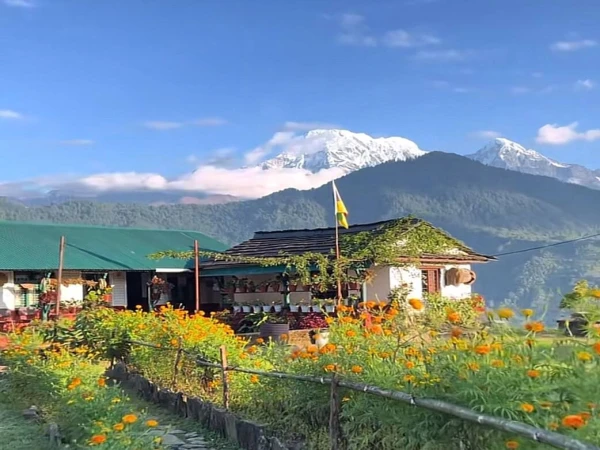
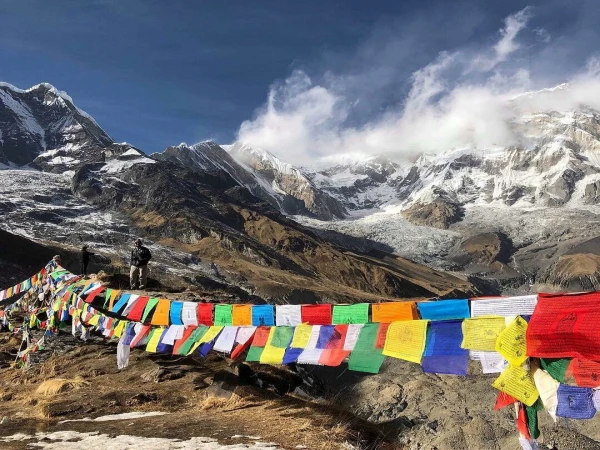
A Typical Day on the Annapurna Base Camp Group Trek
A typical day on the Annapurna Base Camp Trekstarts early in the morning. Wake up around 6:00 AM. It’s cold outside, so you’ll need to layer up. Have your breakfast. There are options like: Toast, eggs, porridge, pancakes, and coffee or tea.
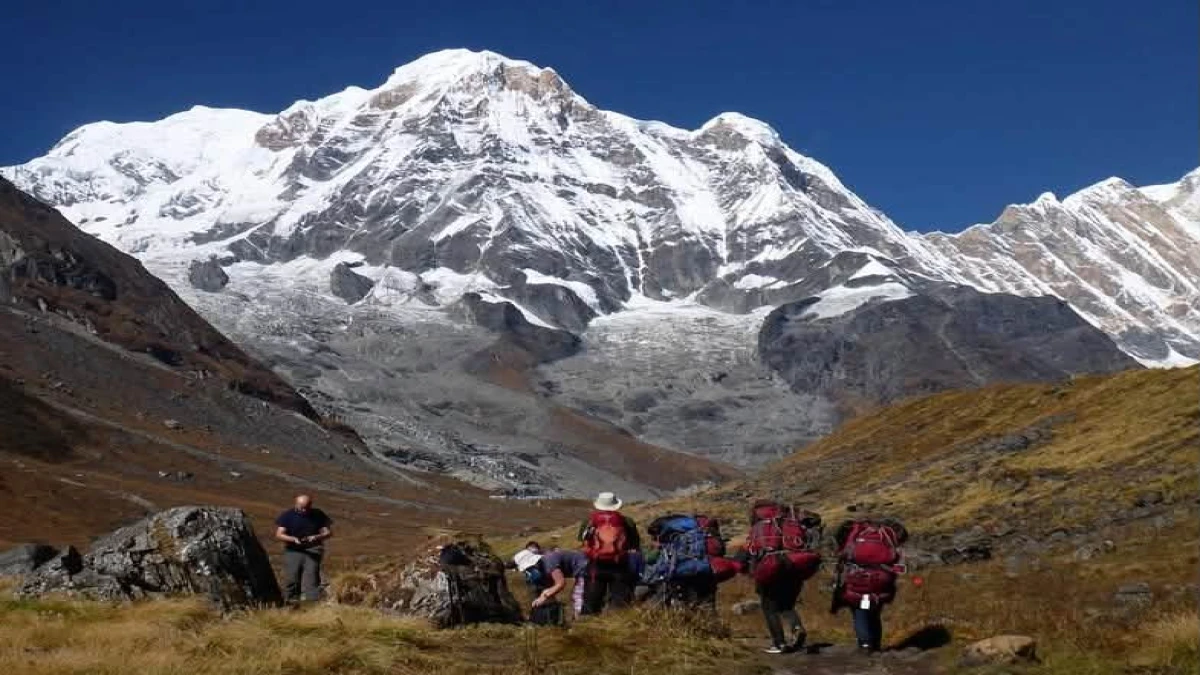
The guide runs through the day's plan while you eat. Around 7:30 AM, your trail time starts. Mornings on trail are quiet. Faster walkers walk ahead and slower ones in their own rhythm. The guide and assistant guide split between front and back.
Around 12:00 PM, trekkers stop for a lunch break at a teahouse. You can have whatever's on the menu that day. Start the walk again. The pace is slower now because your legs are tired, but the views keep getting better. You’ll reach your tea house around 4:00 pm. Rest a little or explore around.
Dinner gets ready at 7:00 PM. The whole group eats together. Everyone will share stories from the day and plans for tomorrow. The guide briefs everyone on the next day's route and altitude. Lights are out around 9:00 PM. Your night starts early every night because your body needs enough rest.
This is the same rhythm on this Annapurna Base Camp group Joining Trek, but the scenery is different every single day.
Meeting Fellow Trekkers on the ABC Group Trek
One of the most enjoyable parts of the Group Joining Trek of ABC is the people you meet along the way. You’ll be trekking with people from different countries, cultures, and backgrounds. You actually become friends with them.
Your day 1 starts with an awkward hello with your fellow trekkers. Nobody knows anyone yet. Everyone's a little nervous, and that's totally normal. You’ll start with small talk, get to know each other, and by day 3 something changes. Strangers have turned into friends now.
The fun of the group trek starts. You give nicknames to your fellow trekkers, click pictures, and make memories together. You basically get a crew where blister tape gets shared, snacks get passed around without asking. You’ll play card games at the tea house every single night and have deep conversations.
Annapurna Base Camp Group Joining Trek is definitely something different to experience because you’ll meet people from different societies, different age groups, and different mindsets.
Something that you can never forget in your entire life is the group with whom you reached Annapurna Base Camp for the first time. This memory stays strong in your heart. Group hugs happen, some people cry, and nobody judges.
Even after the ABC group trek, a lot of trekkers stay in touch. Some plan their next trip together and become lifelong friends.
What Makes Group Trekking to Annapurna Base Camp Different?
People ask this a lot: “Why should you join a group trek instead of doing a private trek?” So let us tell you an honest answer.
- It's Cheaper: Private treks cost more, since you're paying for the guide and porter alone. Group joining splits that cost across everyone. Same route, same views, but a smaller bill.
- Fixed Dates: You’ll pick a fixed date from set departure dates. Which is a good option if you're comfortable planning your trek around fixed dates. But not ideal if you need total flexibility each day.
- Instant Company: Private trek means it's just you and your guide. Group means there are people to talk to and laugh with.
- Shared Pace, Not Solo Pace: Private trekking lets you go as slow or fast as you want. Group trekking runs on a shared rhythm. Faster walkers go ahead, slower ones get an assistant guide, but the group stays connected.
- The Vibe Is Different: Private trek feels personal, quiet, and focused. Group trek feels social, energetic, and a little chaotic in the best way.
Comparison between Group Joining Trek and Private Trek
| |
Group Joining Trek |
Private Trek |
| Cost |
Lower |
Higher |
| Departure Dates |
Fixed |
Flexible |
| Company |
Built-in company throughout the trek |
Not guaranteed |
| Pace |
Shared |
Fully yours |
Choosing a group trek or private depends on what you’re after. If you want cheaper, social, and don't mind a set schedule, group trekking to Annapurna Base Camp wins every time.
What Happens If You Fall Behind the Group during the Annapurna Base Camp Trek?
It’s completely normal to worry about keeping up with everyone during a group trek to Annapurna Base Camp. This worries a lot of first-timers. So, let's clear it up right now.
- You Won't Get Left Behind: Guides don't just walk off and leave someone. Groups usually split naturally: faster walkers up front and slower ones behind. An assistant guide or the main guide stays with the slower group. Everyone regroups at lunch, tea breaks, and the tea house at night.
- Why Falling Behind Happens: Falling behind the group is completely normal. Altitude affects everyone differently, and some people naturally walk faster than others. A long flight, lack of sleep, or simply feeling tired can also make you walk more slowly.
- What Guides Actually Do: Guides check you constantly, adjust the pace without making it obvious, and carry extra water, snacks, and sometimes even a bit of your daypack.
- If It's Serious: Sometimes, it may be more than just being tired. Altitude sickness (AMS) can affect some trekkers at higher elevations. The guide monitors symptoms closely. If your condition does not improve, the guide may recommend going to a lower altitude.
- The Group Mentality: Here’s something special about a group trek: you’re not alone. Other trekkers understand that everyone has a different pace, and they’re often happy to wait and walk with you.
Falling behind doesn't mean falling out. It just means someone walks a little slower beside you.
How Difficult Is the Annapurna Base Camp Group Trek and How Should You Prepare?
Annapurna Base Camp Group Joining Trek is rated moderate for difficulty and is doable for most people with decent fitness. But it is not very easy either. So, let's discuss the difficulty of the ABC trek:
The Difficulty Level of Annapurna Base Camp Trek
The ABC group joining trek is considered a moderate trek. Trekkers must have decent fitness. You’ll need to walk for 5-7 hours most days on stone steps, uphill and downhill, sometimes both in the same hour. The highest point of the trek is around 4,130m, so there might be some altitude problems too.
What Makes ABC Trek Tough
There is not just one thing that makes trekking to Annapurna Base Camp tough. It’s a bunch of small things adding up. The repetitive stone steps mess with your knees. Longer days back to back make you tired. Altitude makes even easy stretches feel harder, and weather here shifts really fast.
What Makes Annapurna Base Camp Group Trek Manageable
There is some good news too in this trek. No technical climbing, no ropes, and no gear are needed. There are houses every few hours, so you're never far from rest. Group members are always there to have your back. Guides control the pace. So, nobody's rushing you.
How to Prepare for Annapurna Base Camp Trek?
- Walk or hike regularly, at least 3 to 4 times a week
- Practice stairs, hills, anything with elevation
- Add a daypack to training walks and get used to the weight
- Break in your boots early, never wear new ones on the trail
- Sleep well and avoid alcohol the night before you start
- Pack light, but pack smart; layers matter more than volume
What should you do on the ABC Trail?
- Walk slow, especially uphill. Slow and steady always wins here.
- Drink water constantly, more than you think you need
- Eat enough; altitude kills appetite, but you need the fuel
- Listen to your body; tell your guide if something feels off
You don't need to be an athlete for this trek. You just need steady legs, decent stamina, and the patience to go slow when it counts.
Is Annapurna Base Camp Group Joining Trek Safe?
Yes, the Annapurna Base Camp Group Joining Trek is considered a safe trekking experience. Group trekking makes the journey safer because you’ll be trekking with fellow trekkers and a guide throughout the trip.
- Altitudes are manageable: ABC sits around 4,130m. The altitude is not low, but not even near the extreme altitude risk. There is lower risk of severe altitude sickness compared to higher treks like Everest Base Camp. The route gains height gradually, giving your body time to adjust
- Guides are experienced: Our guides are trained to spot early altitude sickness signs. They check in on the group constantly, not just once a day. They also know when to slow down, rest, or turn someone back.
- Tea Houses are near: Unlike remote and isolated treks, ABC has settlements along the whole route. Help, shelter, and rest are always close by on the trail. Rescue and evacuation options also exist if something goes wrong.
- Group Trekking Adds Safety: More people means more eyes are looking out for each other. Solo trekkers feel safer surrounded by a crew. Group energy keeps people motivated and careful.
How to Stay Safe Yourself on Annapurna Base Camp Trek?
- Walk at your own pace, don't chase the group
- Drink plenty of water every day
- Speak up the moment something feels wrong
- Trust your guide's decisions because that's what they're there for
The trail's well-traveled, well-supported, and well-guided. As long as you listen to your body and your guide, this is generally the safest trek.
Best Time for the Annapurna Base Camp Group Joining Trek
Timing changes your experience on the Annapurna Base Camp trek. If you get the right timing, the views hit different. If you want the clearest mountain views and easiest walking, aim for autumn or spring. Fixed group departures run most often in these two seasons. So, it's also easier to find a date that fits you well.
- Spring season (March to May): This is one of the favourite seasons of trekkers. The rhododendron forests are in full bloom. You’ll see pink and red flowers everywhere. Mornings are clear, days are warm and nights are cold. This season gives great mountain visibility most days.
- Autumn season (September to November): The most popular season for trekking in Nepal. The skies stay clear, and you can see the best mountain views of the year. Weather is stable, and there is a low chance of rain. Trails are busy, and tea houses fill up fast. So, you need to book early for this season.
- Winter season (December to February): This season is cold, but quiet. There are fewer crowds and trails feel peaceful. You’ll see clear skies during daytime but nights are really freezing. Winter can be a good choice for experienced trekkers.
- Monsoon season (June to August): Monsoon brings frequent rain, slippery trails, leeches in the lower forest sections, and clouds block mountain views most days.
For a group joining trek, spring and autumn are especially good choices because these are the busiest trekking seasons, giving you a better chance of meeting other trekkers and joining a lively group.
Accommodation and Meals During the Annapurna Base Camp Group Joining Trek
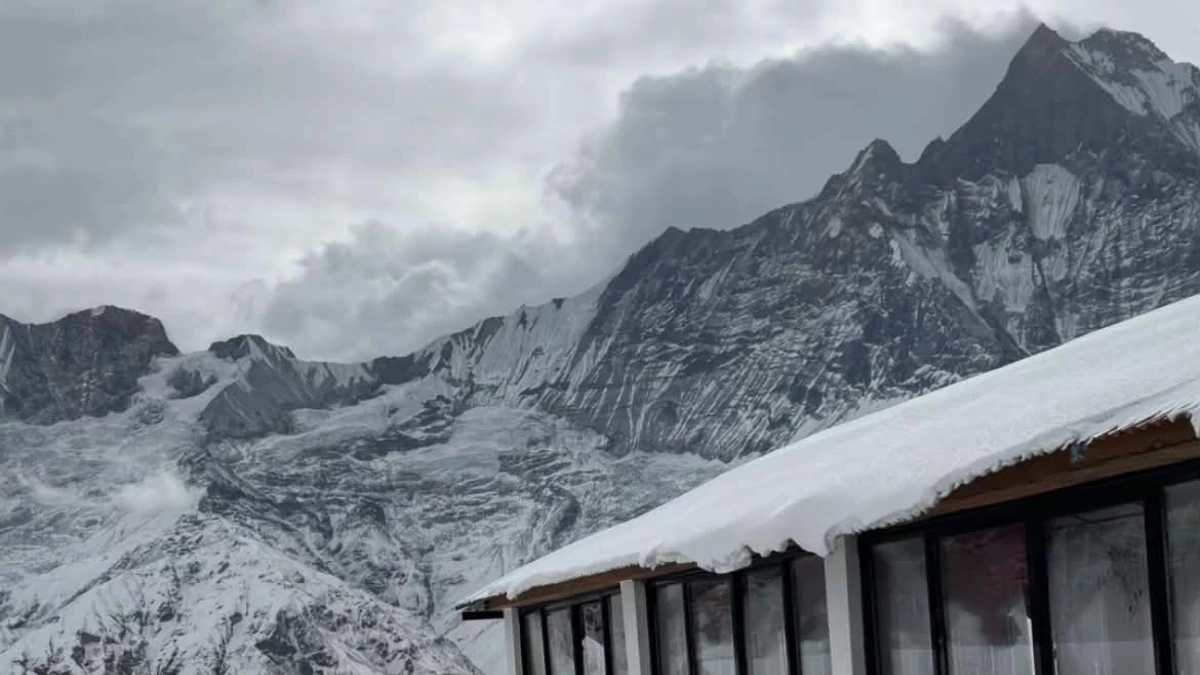
During the Annapurna Base Camp Group Joining Trek, you can find plenty of teahouses and lodges along the trail. And they're better than you'd expect.
Where Will You Stay during Annapurna Base Camp Group Joining Trek?
- You’ll be provided with simple twin-sharing rooms in a teahouse or lodge.
- Shared bathrooms mostly, especially higher up.
- Extra blankets are provided, but pack a warm layer.
- Hot showers available lower down, for a small fee. (It's colder and pricier as you climb higher)
What will You Eat during ABC group joining Trek?
- Dal bhat is a common meal that you find everywhere.
- You’ll find other options like noodles, soups, pancakes, fried rice, etc.
- Garlic soup is a common choice on the trail, and many locals believe it helps with altitude.
- Hot tea or coffee at every stop.
- Menus get simpler the higher you go, with fewer choices.
Wi-Fi and charging usually cost extra, more the higher you climb. Bottled water gets pricier up the trail. So, a filter or purification tablets saves your money. There is no luxury in the trail. But you’ll get warm food, a roof, and a bed every night. And that's all you really need out here.
Guide and Porter Services on the ABC Group Joining Trek
A guide and porter make your Annapurna Base Camp group Joining Trek much easier and enjoyable. You don’t have to worry about anything on the trail. They are there to handle you every simple things.
What Your Guide Does on Annapurna Base Camp Group Joining Trek?
- Takes care of permits, checkpoints, and route decisions
- Constantly watches for altitude sickness signs.
- Sets the daily pace and keeps the group together
- Speaks English and knows the trail better than anyone
What Your Porter Does on ABC Group Joining Trek?
- Carries the heavy load, usually 15-20 kg. (shared between two trekkers)
- Walks ahead or behind, depending on the group's pace
A good guide and porter team doesn't just carry your bags, but they carry the whole trip. When there is your guide and porter, you can focus more on enjoying the trail, meeting fellow trekkers, and taking in the Himalayan views without worrying about small details.
What Permits Do You Need for the Annapurna Base Camp Group Trek?
Before starting the Annapurna Base Camp Group Trek, you need the required trekking permits and registrations. Only two permits are needed for this trek, and we’ll handle both for you.
- ACAP (Annapurna Conservation Area Permit): It is required to enter the Annapurna Conservation Area and is checked at entry points along the route. This permit also helps to fund conservation work in the region.
- TIMS Card (Trekkers Information Management System): This card tracks trekkers for safety purposes, which is required for every trekker on the trail.
What documents will you need for your permits?
- Passport copy
- A couple of passport-sized photos
- Basic trip details like dates and route
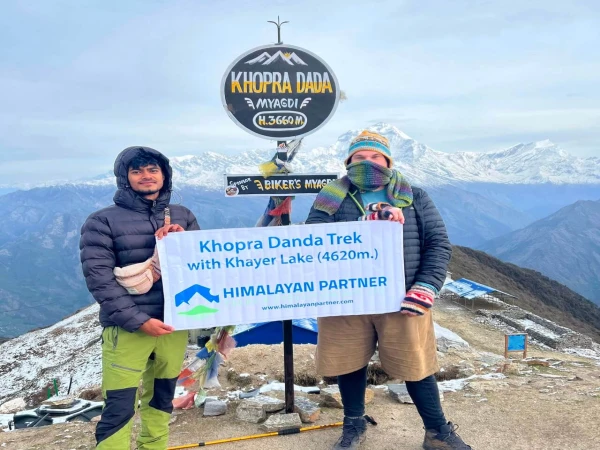
Himalayan Partner sorts all your permit-related work before the trek starts. Just hand over your documents early, and it's one less thing to worry about.
Transportation During the Annapurna Base Camp Group Joining Trek
All the transportation for the Annapurna Base Camp Group Joining Trek is arranged by us, so you don’t have to worry about figuring out transport on your own.
Getting to the trailhead takes a bit of driving, and it's part of the adventure too.
- Pokhara to Nayapul: This is where the actual trek begins. You’ll travel in a private jeep or shared vehicle, which roughly takes around 1.5-2 hours. Roads are bumpy in some places, but views of hills and rivers make the ride worth it.
- Jhinu Danda to Pokhara: Jhinu is where your trek ends. Then you’ll travel back to Pokhara in a jeep or shared vehicle. Trek officially wraps once you're back in Pokhara
Few Honest Notes
- Roads can get delayed during monsoon season. Landslides might also happen occasionally.
- Flights get canceled sometimes due to weather, especially in Pokhara
- Keep a buffer day in your schedule if you're catching an international flight right after
How Much Does the Annapurna Base Camp Group Joining Trek Cost?
The cost of the Annapurna Base Camp Group Joining Trek depends on the trek duration, season, group size, and services you take. In 2026, group-joining ABC packages generally range from around USD 300-500 per person, but prices can vary based on the services provided. A group joining trek usually costs less than private ones, since the price gets shared across the whole group.
Final Thoughts for Annapurna Base Camp Group Joining Trek
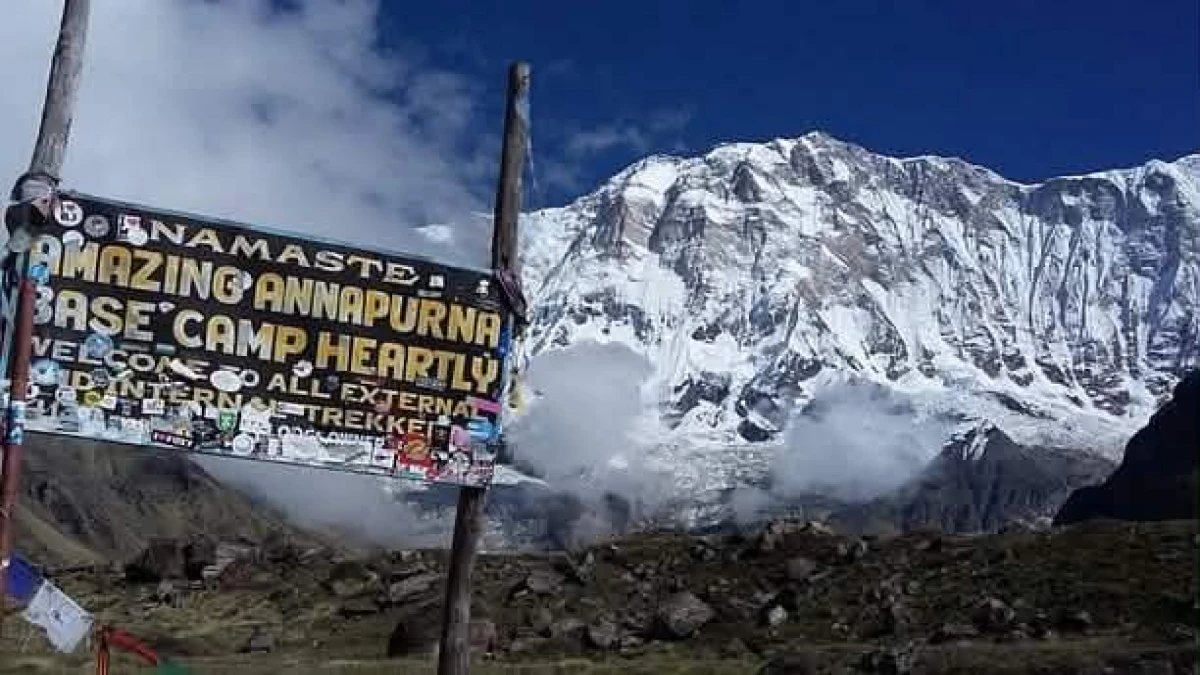
I still remember standing at Annapurna Base Camp, mountains on every side, next to people I met just a week before. This was the best thing to experience. That's what this trek actually gives you. Not just the views, but the walk, the effort, the strangers who become friends, and the small wins along the way.
You don't need to be an expert, you don't need a trekking partner lined up. You just need to book a date and show up. Himalayan Partner handles the rest. If you've been thinking about it for a while, stop thinking. Pick your dates, pack your bag, and let's go.
Spots fill up fast, especially in spring and autumn. Check our upcoming departure dates, pick one that fits your calendar, and lock in your place. The Annapurna Base Camp Group Joining Trek is waiting.