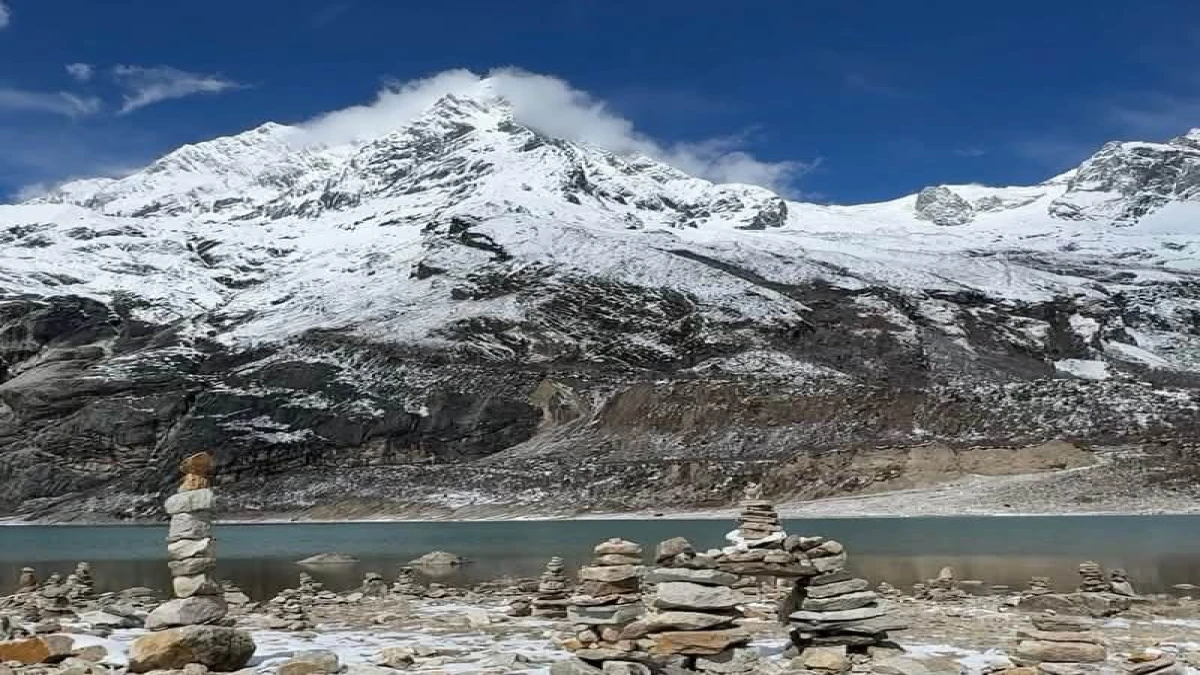
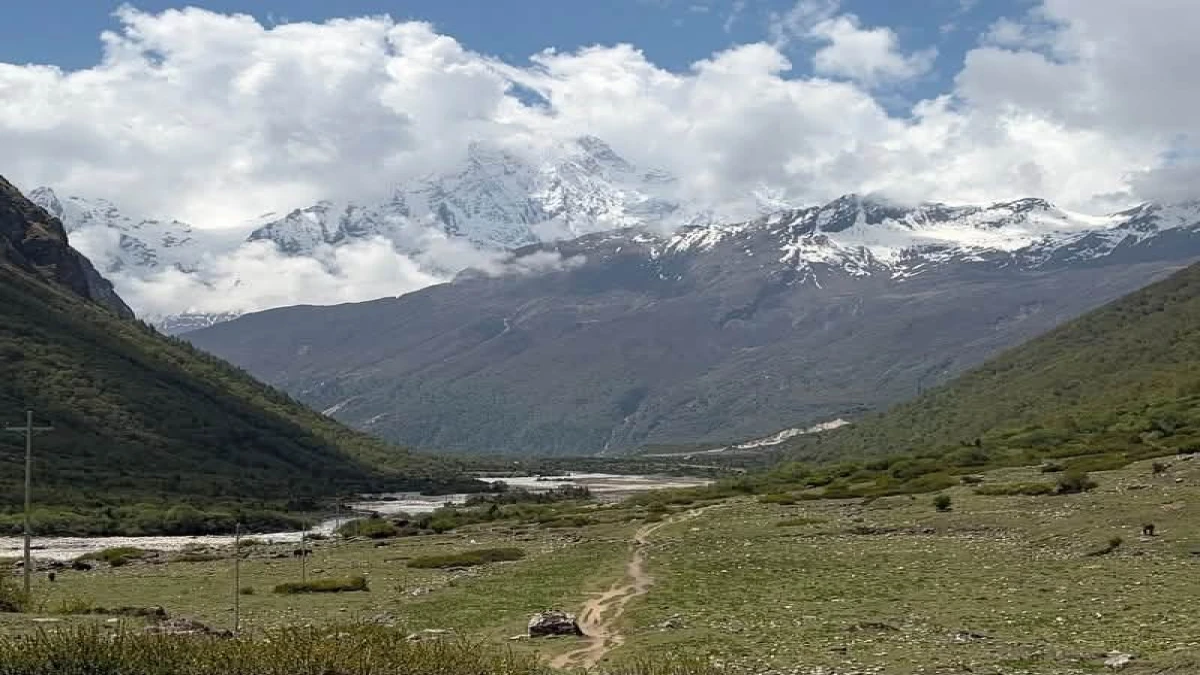
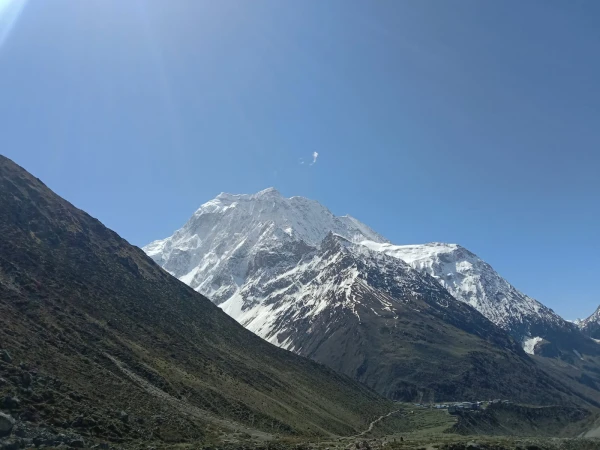
The Days That Matter Most Before Crossing Larkya La Pass
The challenge you face at Larkya La isn’t just the pass itself, but it depends on how you prepare for it days before. On a group join trek, this stretch is where the guide is actively managing the whole group's acclimatization, not letting people manage it on their own.
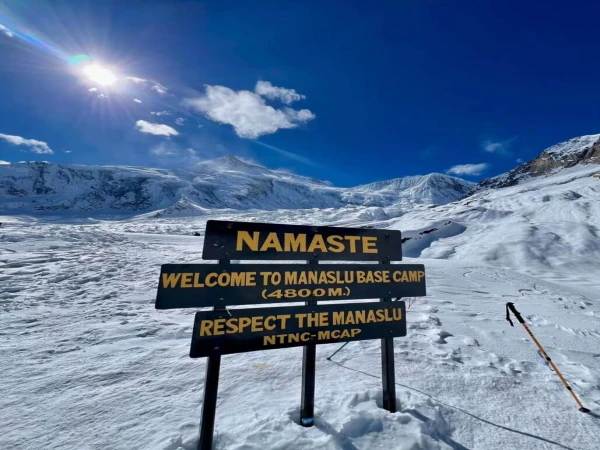
- The Samagaon rest day is non-negotiable. This is the "climb high and sleep low" day. Most of the group hikes up toward Manaslu Base Camp and comes back down to sleep at the same altitude. Skipping this to save a day is how people end up sick before the pass.
- Samdo is a short, and deliberately easy day. It’s only a few hours of walking, kept light on purpose, so the group's bodies keep adjusting without extra strain right before the hardest part of the trek.
- Dharamsala (Larke Phedi) is where the group gets briefed properly. The guide explains when to leave, what clothes to wear, and what to expect at the pass.
- Everyone eating and sleeping on the same schedule matters here. In a group, meals and sleep are coordinated so the whole group gets enough rest and food before starting early in the morning. The guide manages this for everyone instead of each person handling it alone.
- This is also where altitude symptoms usually show up first. Symptoms like headaches, poor sleep, and low appetite are seen, but with a full group and guide watching, it's easier to catch early than if you're monitoring yourself alone.
- Pack and gear checks happen before crossing Larkya La, not on pass day. Down jacket, headlamp, water, everything gets sorted the night before at Dharamsala.
If you get these two or three days before the pass right as a group, the Larkya La itself becomes the reward for the acclimatization.
Trekking With Strangers: What Group Life Is Really Like on Manaslu
You show up in Kathmandu not knowing anyone, and some days later you're crossing a 5,106m pass with people who were complete strangers at the airport. That's genuinely what a Manaslu Circuit group join trek looks like, and it works better than most people expect.
Here's what it's actually like, day to day:
- You will feel comfortable with the group quickly. The first dinner together might feel a little awkward, but by day two, you’re already friends.
- You end up walking at different paces, and that's fine. Some people push ahead, while some walk slowly. There is a guide who keeps an eye on both ends. (An assistant guide is also provided if the group is big.)
- Evenings in the teahouse are when the group gets closer. Everyone spends time together in the dining room, talking and getting to know each other.
- You end up relying on each other more than expected. You start sharing your stuff check who feels tired at high altitude. These small acts make a big difference on the 12-day trek.
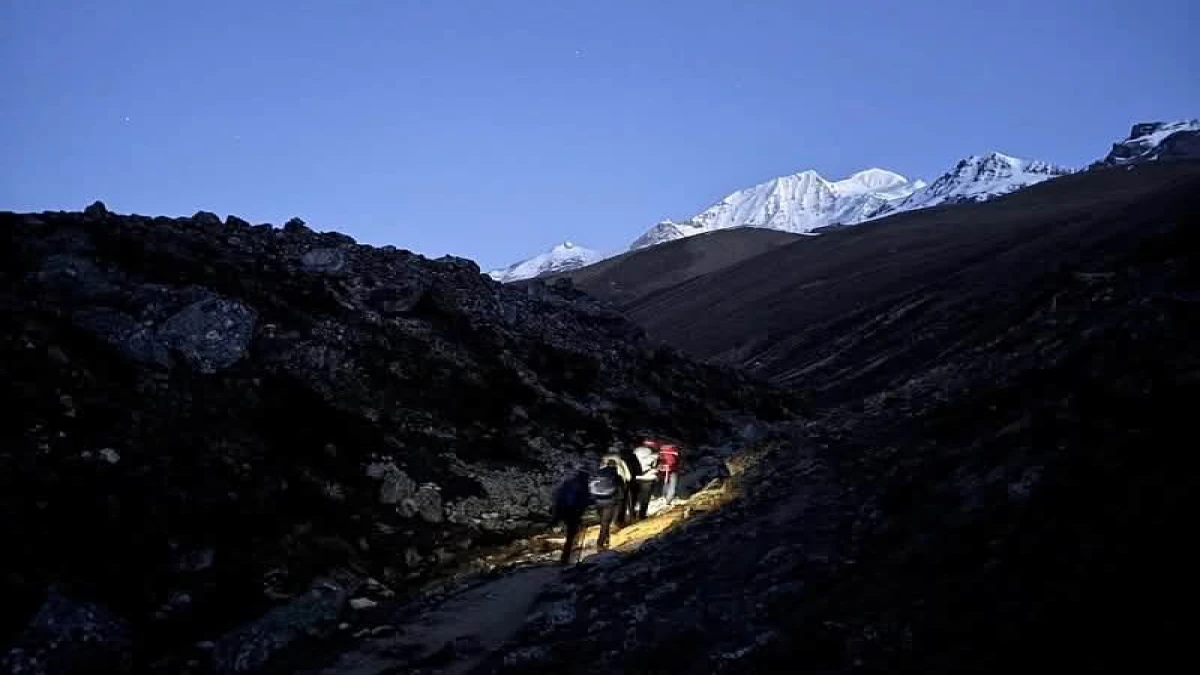
- Larkya La Pass is where the group really bonds. You start walking early in the dark, reach the top together, and share that feeling of relief at the summit. It feels different than crossing it alone.
Group trekking on Manaslu Circuit isn't about forcing friendships. Spending 12 days on a challenging trail with the same people can help strangers become good trekking friends and sometimes even close friends.
Acclimatization on a Manaslu Circuit Group Join Trek: Keeping Pace Without Rushing
Altitude doesn't care how fit you are, it affects everyone differently, which is exactly why acclimatization on a group trek has to be managed carefully rather than having to figure it out on your own.
- The itinerary already includes acclimatization days, especially at Samagaon before the push toward Larkya La. These rest days are what make the higher altitude days survivable.
- The group moves at a comfortable pace. On a group join trek, the guide is not rushing anyone to reach the next teahouse. The schedule is built around everyone adjusting safely, not just the strongest trekkers.
- Daily altitude gain is kept at a safe level. The route from Namrung upward is spaced out deliberately, so the group climbs high enough to make progress without gaining too much too fast.
- Guides check in with the whole group. Headaches, loss of appetite, and poor sleep can be signs of altitude problems. The guide watches for these signs in everyone which catches problems early even in trekkers who'd rather push through quietly.
- Slower trekkers aren't left behind, and faster trekkers aren't held back rigidly. There's usually flexibility within the day; some walk ahead, some take it slower, but the group reconvenes at the teahouse each night.
- If someone struggles, the group's pace adjusts. A rest day can be added, or the schedule can be changed if needed. This is easier to manage in a group because the guide can adjust the plan for everyone.
The whole point of pacing a group trek this way is simple: nobody should be crossing Larkya La on a body that hasn't had time to adjust. And on a Manaslu Circuit group join trek, the pacing is already planned, so you don't have to figure it out yourself.
What Happens If Someone in the Group Struggles on the Trail?
It happens more than people think. Someone gets a headache at altitude, feels off their food, or just can't keep pace one day. On a Manaslu Circuit group join trek, this isn't a crisis. It's something the guide has dealt with before and knows how to handle.
Here's what actually happens:
- The guide checks in first. Headache, nausea, dizziness, bad sleep are early signs of altitude sickness, and a guide asks about them daily, not just when someone speaks up.
- The group doesn't stop for one person, but it also doesn't leave anyone behind. Usually a second guide or a porter stays back with whoever's struggling while the rest continue slowly ahead, and everyone meets up at the same teahouse.
- Rest days can shift. If someone needs an extra day to recover before the Larkya La Pass crossing, the itinerary has some flexibility built in.
- If it's serious, coming down is the only real fix. Altitude sickness doesn't get better by pushing higher. Guides are trained to make that call and get the person to lower elevation fast if needed.
- Evacuation is only used in serious situations, but there is a plan for it. Helicopter rescue is possible from most points on the route; this is exactly why travel insurance with high-altitude coverage is non-negotiable before joining a Manaslu Circuit group trek.
- The rest of the group isn't just left waiting around confused. The guide keeps everyone informed, so nobody's guessing what's happening or why the plan changed.
This is really the quiet advantage of group trekking on Manaslu Circuit. One person struggling doesn't mean the trek falls apart. There's a guide, a system, and other people around, instead of just you and a map.
Manaslu Circuit Group Join Trek Permits
Manaslu needs three separate permits, and all of them are arranged by us. You never apply for these yourself, and that's actually one of the practical perks of booking a group join trek instead of trying to sort logistics solo.
Here's what's required and how it works on a group departure:
- Restricted Area Permit (RAP): Manaslu sits close to the Tibet border, so this permit is mandatory and can only be processed through a registered trekking agency, no individual application is allowed.
- Manaslu Conservation Area Permit (MCAP): This permit covers the lower part of the route. It’s a one-time fee, processed alongside the RAP by us.
- Annapurna Conservation Area Permit (ACAP): Most people don't expect this, but the trail crosses into the Annapurna Conservation Area near Bimthang and Dharapani, so it's required even though the trek is marketed as Manaslu.
- The old rule of two-person is gone, but it doesn't really matter for group trekkers. Since March 2026, solo trekkers can get a RAP alone, but on a group join departure you're already traveling with others, so this change barely affects how the process works for you.
- A licensed guide is mandatory. This is the one rule that's never changed. Manaslu can't legally be trekked without a government-licensed guide from a registered agency, group, or solo.
The real advantage of doing the Manaslu Circuit as a group join trek isn't really about the permit rules, but it's that you never have to think about them. The agency handles the paperwork; you just show up with a passport and photos.
Is Manaslu Circuit Group Join Trek Suitable for First-Time High-Altitude Trekkers?
Yes, with the right setup Manaslu Group Join Trek can be suitable for beginners. Manaslu isn't a beginner stroll, but plenty of first-timers do it, and joining a group is usually what makes it manageable.
Here's what actually matters if this is your first time above 4,000m:
- The altitude is real, so respect it. Larkya La Pass sits at 5,106m, and altitude sickness doesn't care about your fitness level or trekking history, it can hit anyone.
- The itinerary is built with acclimatization in mind. A proper 12-day schedule includes rest days at Samagaon specifically so that the first-timers' bodies get time to adjust before the pass.
- A guide matters more for beginners than anyone else. On a group trek, the guide is watching for altitude symptoms across the whole group, which catches early warning signs a first-timer might not recognize in themselves.
- You're not the only inexperienced person on the trail. Group join departures regularly include first-time trekkers.
- Basic fitness beats prior trekking experience. Being able to walk 5-7 hours a day matters more than having done a big trek before. Regular walking, hiking, or cardio in the months before is solid preparation.
- Group trekking makes the mental challenge of your first big trek easier. Long remote days feel a lot less intimidating with other people around, especially on the tougher stretches before Larkya La.
- Teahouse life takes some time to get used to. Rooms are basic, food is simple, and nights can be cold. It’s not too hard, but just different from what a lot of first-timers expect walking in.
If you're reasonably fit, comfortable pushing yourself a bit, and open to leaning on a guide and group rather than figuring it all out solo, a Manaslu Circuit group join trek is a genuinely doable first high-altitude trek.
Food, Teahouses and Daily Life Along the Manaslu Circuit
Manaslu doesn't have the teahouse infrastructure Everest or Annapurna has built up. It's simpler, smaller, and a lot more basic. That's part of what makes it feel remote, but it's worth knowing what to actually expect before you go.
- Teahouses are simple. Basic rooms, twin beds, thin walls, shared bathrooms in most places.
- Dal bhat is a popular trekking meal for a reason. You’ll get rice, lentils, vegetables, unlimited refills. This is the meal most guides recommend daily since it's filling and easier on the stomach at altitude than heavier food.
- Menus get simpler the higher you go. Lower down near Machha Khola and Jagat, there's more variety. By Samagaon and Samdo, options narrow to basics like soup, noodles, dal bhat, eggs, etc.
- On a group departure, meals are usually eaten together in the same teahouse and same dining hall. It's one of the small things that makes group life on this trek feel social rather than isolating.
- Wifi and charging cost extra almost everywhere. Some teahouses offer Wi-Fi, but it may not always work well. Charging a phone or camera usually means a small fee.
- Hot showers are not always available. Lower villages may have hot water, but near Samdo and Dharamsala, you may only get a bucket of warm water or no hot water at all.
- Nights get cold fast once you're above 3,000m. Teahouse rooms aren't heated beyond the shared dining area, so a good sleeping bag really matters.
Daily life on the Manaslu Circuit isn't about comfort. It's simple food, basic rooms, and early nights. What makes it work on a group join trek is that you're not doing any of that alone.
Best Time to Join a Manaslu Circuit Group Trek
Manaslu Circuit Trek has two workable seasons, Spring and Autumn. It's just the time when Larkya La Pass and the lower trail are actually safe to walk, so every fixed group departure is built around these two windows.
- Autumn (September-November): This season brings the most reliable window. Clear post-monsoon skies, stable weather, and the best mountain views of the year. This is the time when most group join trekkers book, and it usually means bigger groups and more people to split costs with.
- Spring (March-May): This is another best season. This season has warm temperature at lower altitudes, rhododendron blooms all over the trail, and generally has good visibility. April tends to be the busiest spring month for group departures.
- Peak months (April and October) fill up fastest. More trekkers booking the same dates means larger groups, which works in your favor because costs split further and the trail feels more social.
- Winter and monsoon departures aren't standard for group trips. Larkya La gets buried in snow in winter, and monsoon brings landslides and there is zero visibility on the lower trail.
- Book 4-6 weeks ahead for peak season dates. Restricted area permits take processing time, and popular October and April departures can fill before the date itself.
If you're choosing between the two, autumn is usually the safer bet for a first Manaslu Circuit group trek. Spring works good as well if the autumn dates don't fit your schedule.
What to Pack When You Are Joining a Manaslu Trek Group
Packing for Manaslu Circuit Trek isn't hugely different from any high-altitude trek, but a few things matter more here because of how remote and basic the route is. Here's what actually earns a spot in your bag:
Clothing
- Down jacket: non-negotiable for Larkya La Pass and the nights at Samagaon and Samdo
- Fleece or insulated mid-layer & a couple of base layers
- Waterproof and windproof jacket and pants
- Trekking pants, quick-dry shirts & thermal base layers
- Warm hat, sun hat & gloves
- Wool or synthetic hiking socks
Footwear
- Broken-in trekking boots
- Camp shoes or sandals for evenings
Gear
- Sleeping bag rated to at least -15°C
- Headlamp with spare batteries
- Trekking poles
- Water bottles or a hydration bladder
- Basic first aid kit, and any personal medication
Small Essentials
- A small daypack for you, since porters carry the main bag
- Cash in Nepali rupees, card payments don't exist on this route
- Earplugs
- Power bank
Documents
- Passport and passport photos
- Travel insurance details that cover high-altitude trekking and helicopter evacuation
One this you should remember is pack a little lighter than you think you need. On a group trek, porters are usually shared across the group with a weight limit per person, so overpacking just becomes your own problem to carry.
Group Join vs Private Manaslu Circuit Trek: Which Fits You Better?
Both kind of trek takes you around Manaslu Circuit and over Larkya La Pass. The difference is really about cost, flexibility, and how much you want to share the trip with strangers.
Manaslu Circuit Group Join Trek
- It is cheaper per person. Permits, guide, and jeep costs are split across everyone on the departure
- Fixed departure dates, so no waiting around for other trekkers to commit
- You're placed with people you've never met, which usually become good trekking companions by the second or third day.
- Itinerary and pace are set for the group, so there is less flexibility to slow down, walk faster, or take extra detours.
- Meals, rest stops, and daily schedule are shared, so its like less decision-making and more just following the plan
Manaslu Circuit Private Trek
- Private treks are more expensive because you're covering the full guide fee and transport cost yourself
- You can book on your own schedule, not tied to fixed departure dates
- Pace, rest days, and itinerary can be adjusted to fit exactly what you want
- There is just you, whoever you're traveling with, and the guide. No group dynamic to navigate
- Best if you want full control over timing, or you're trekking with a specific person and don't want other trekkers involved
A rough way to decide which trek to choose:
- Traveling solo and want to keep costs down → group join
- Want the social side of trekking, don't mind a fixed schedule → group join
- Trekking with a partner or small group and want full control of pace → private
- Have specific dates or want to customize the itinerary → private
- Budget isn't the main concern, flexibility is → private
For most people doing Manaslu for the first time, group join ends up being the more practical choice because it's cheaper, it's simpler to book, and the fixed pace usually works fine unless you have a strong reason to want it customized. Private makes more sense once you know exactly what you want out of the trek and are willing to pay for that control.
Why Choose Our Manaslu Circuit Group Join Trek?
We've been running treks in Nepal for many years and we know exactly how a Manaslu Circuit group departure should be handled, and where most agencies cut corners.
Here's what that actually means for you:
- A decade of running group departures means we know this route well. Pacing, acclimatization, which teahouses are reliable, how to handle the group when someone's struggling. This isn't our first season figuring it out.
- Fixed departures that actually run. After years in this business, we know how frustrating it is to have a trip cancelled for low headcount. Our published Manaslu dates are guaranteed departures, not tentative ones.
- Our Licensed guides who know Manaslu specifically. Every group is led by a guide experienced on this exact route, familiar with the permit checkpoints, the pass conditions, and how to manage a full group safely.
- We keep group sizes manageable. Small enough that the trek still feels personal, big enough that everyone benefits from shared costs. We've learned over the years what group size actually works best on this trail.
- Everything's handled before you land in Kathmandu. Permits, logistics, teahouse bookings everythings are handled by us.
- We're not new to handling problems on the trail. Altitude symptoms, weather delays, a trekker needing an extra rest day, everything is carefully handled. Our guides have seen these most situations before and know how to respond.
We’ve done the trek many times, so we already know what works and what problems to avoid. When you join a Manaslu Circuit group trek, you are not just paying for a permit and a guide. You are also getting an experienced team like Himalayan Partner that knows the route and how to manage the trek well.