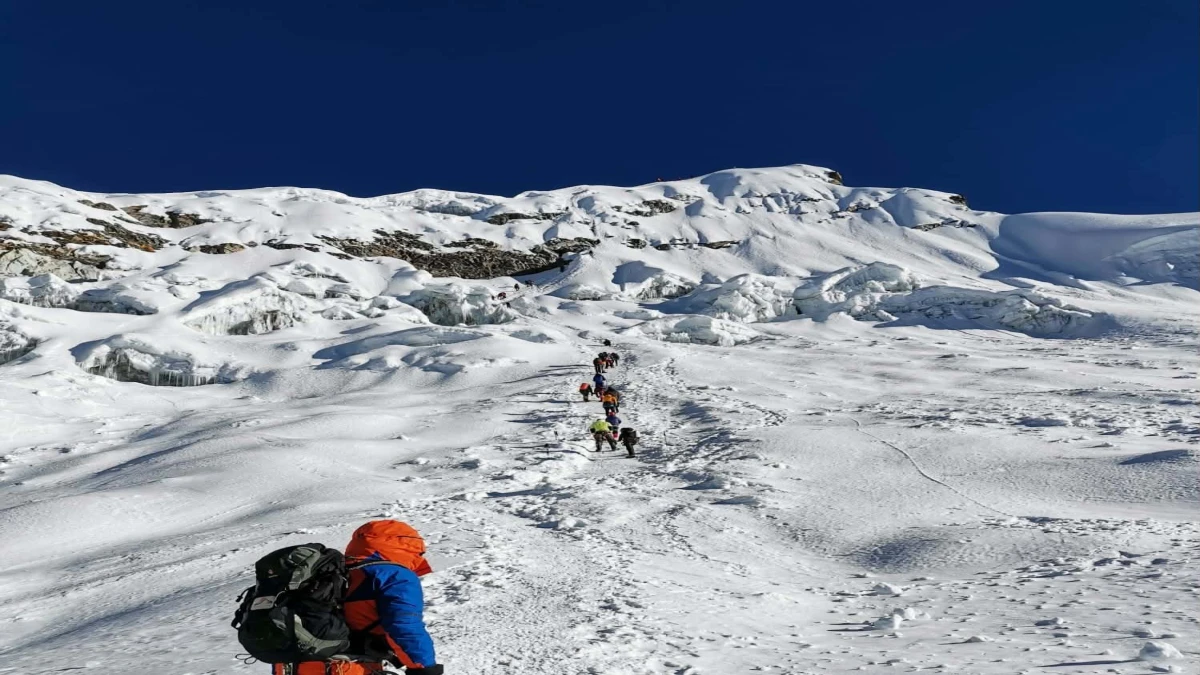
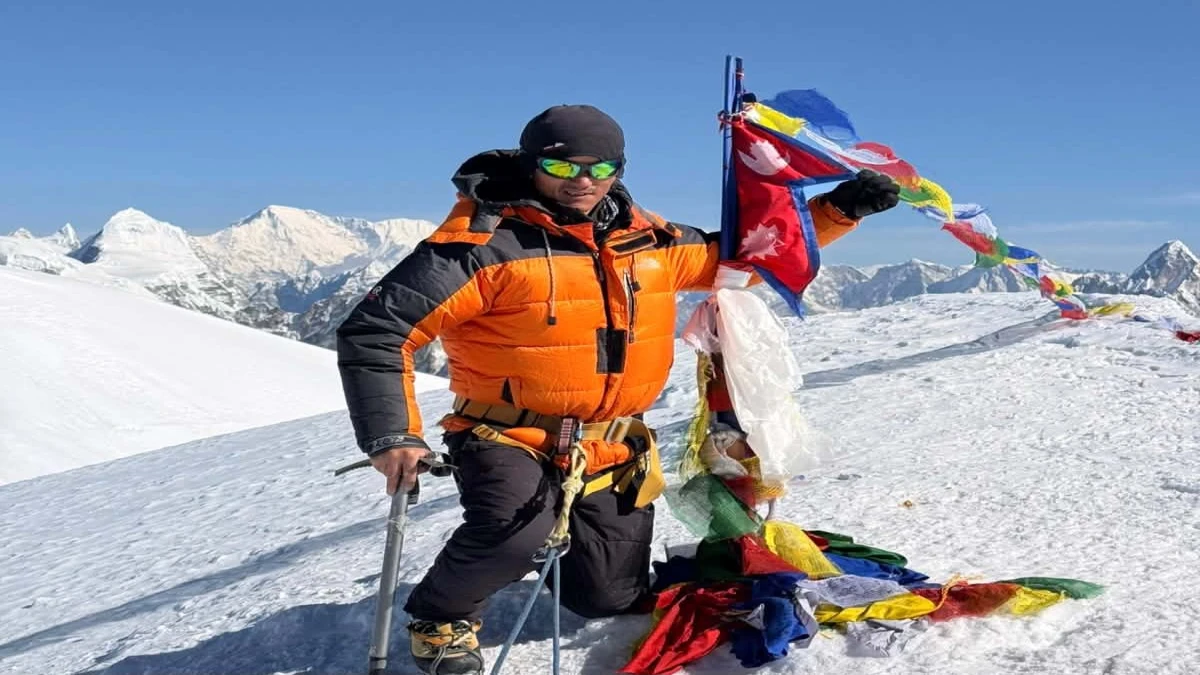
Three Peak Climbing Overview
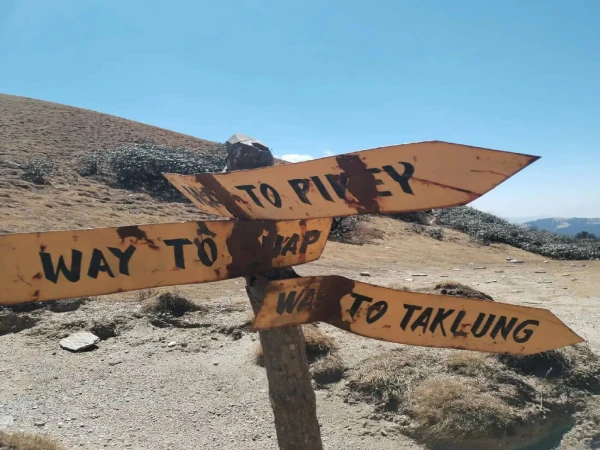
Nepal's Three Peaks Climbing package combines Mera, Island, and Lobuche Peak into one trip. Three summits in one expedition, so you don’t need to come back three separate times.
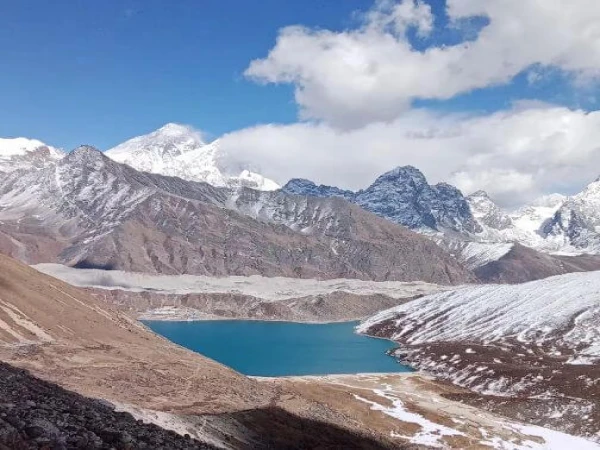
The route runs through the Everest region, passing Sherpa villages, high passes, and three trekking peaks, which makes the Himalayan expedition challenging.Mera Peak lies at 6,476m, Island Peak at 6,189m, and Lobuche at 6,119m.
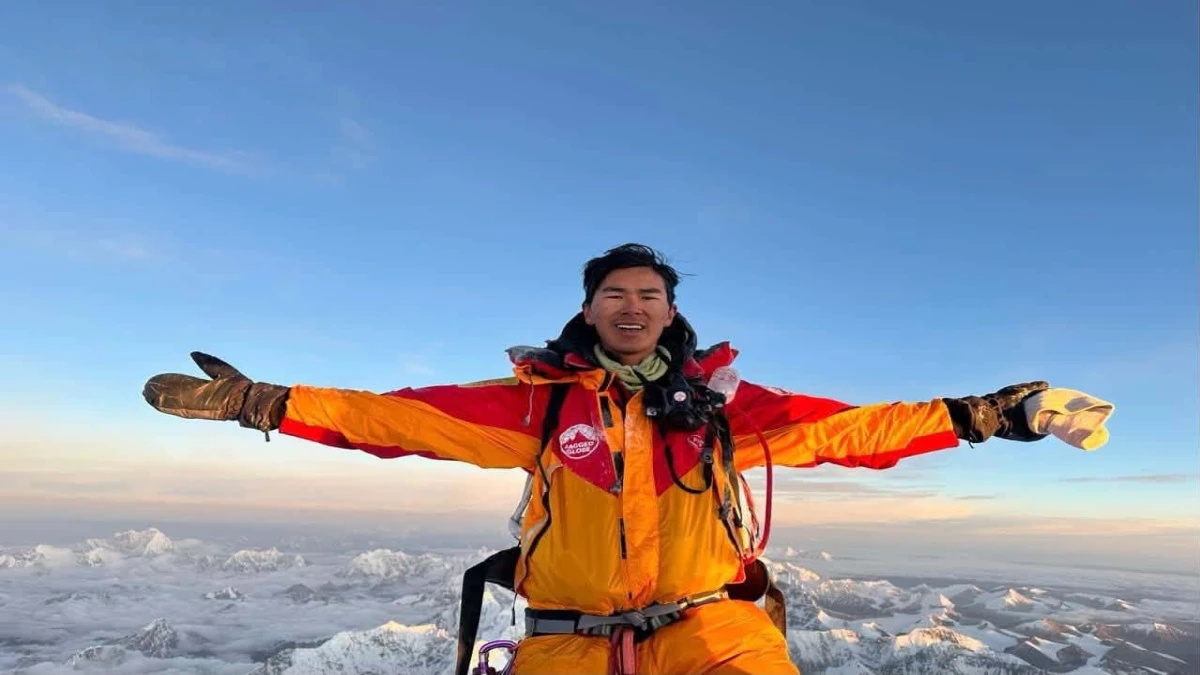
The wind gets sharp, and your hands freeze, but when the clouds open up, you’ll see some of the world's highest mountains at once. This expedition is built for climbers who've already done EBC, or something like it, and want summits instead of a trailhead.
You don't need to be a professional climber or have years of mountaineering experience to conquer these peaks in Nepal. What you need is solid acclimatization, guides who actually know these routes, and the fitness to back it up. And if you've got that, it's one of the more rewarding multi-peak adventures in the Khumbu.
In this package, we’ll walk you through everything: the route, the cost, the gear, the risks, and how to prepare. So, if you're thinking aboutMera Peak Climbing,Island Peak Climbing, or Lobuche Peak Climbing, you're in the right place. Let's start from the beginning.
Which Three Peaks Are Included in the Three Peak Climbing Package?
An expedition of three peaks with three different feelings. Let us break them down one by one.
Mera Peak (6,476m)
The Mera Peak is where the climbers start. It's the highest peak of the three. But don't let that scare you because the climb itself is not technical. There is no steep rock, no scary ridges, just snow, ice, and a long walk to the top.
The hard part of the peak isn't the climbing; it's the altitude. You'll use crampons and ropes. But the real challenge is your lungs here, not your hands. And the summit gives you one of the best views in the Himalayas. On a clear day, you can see Everest, Lhotse. Makalu, Kanchenjunga, and Cho Oyu. Five 8,000m giants, from one small peak.
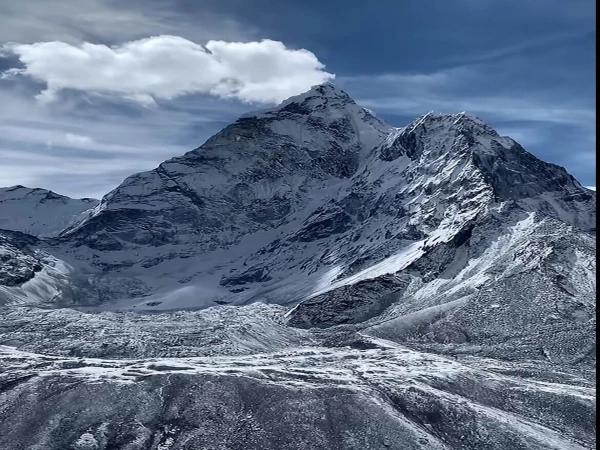
Island Peak (Imja Tse, 6,189m)
Island Peak looks small on paper, but it's not small in feeling. This peak is where things get technical. You'll climb a steep ice wall near the summit, using fixed ropes and a jumar (a rope-climbing device). It's steep enough to get your heart racing, even if you've climbed before. Here's what makes the climb special:
- It sits right in the Khumbu region, close to Everest Base Camp
- The summit ridge is narrow, with big drops on both sides
- The final push is done in the dark, so you reach the top before the clouds roll in.
This peak teaches you something Mera doesn't. How to trust your rope, your crampons, and your guide, all at once.
Lobuche Peak (6,119m)
Lobuche is the shortest climb in height, but it's the steepest, the most exposed, and the one that demands real climbing skill. This peak gets tougher because:
- Steep rock and ice sections near the top
- A narrow summit ridge with no room for mistakes
- Fixed ropes almost the entire way up
By the time you reach Lobuche, you've already climbed two peaks. Your body is tired, and your legs are heavier. But your skills are sharper too. And now you are already prepared for Lobuche. You need Mera and Island behind you before you try it.
Together, these three peaks give you the best experience. Mera builds your lungs, Island builds your nerve, and Lobuche tests everything you've learned.
That's what makes this three-peak climbing package different from climbing just one mountain. It's not just a summit; it's like a full mountaineering education.
Three Peaks Climbing Difficulty: Mera vs Island vs Lobuche
People always ask us the same question first. "Is it hard?" Yes, it is hard, but not in the way most people think.
It's not about being the strongest person on the trail. It's about handling three peaks at once. Let us break down exactly what makes this climb tough.
Technical Skills Needed for Three Peak Climbing
You don't need to be a professional climber. But you do need some basic skills, and you need to trust your gear completely. Here's what you'll actually use on the mountain:
- Crampons: Spikes on your boots, for walking on ice and snow
- Fixed ropes: Ropes already set up on steep sections, so you clip in and climb
- Jumar: A small device that grips the rope, helping you pull yourself up
- Ice axe: For balance and for stopping a fall if you slip
- Harness and carabiners: Your connection to the rope.
Mera Peak needs the least technical skill, Island Peak steps up in difficulty, and Lobuche Peak is the hardest.
Altitude and AMS Risk Across Three 6,000m+ Peaks
Altitude is the real challenge. All three peaks sit above 6,000 meters. At that height, there's much less oxygen than your body is used to. And that's when AMS (Acute Mountain Sickness) becomes a real risk.
Common signs of AMS:
- Headache that won't go away
- Dizziness or feeling off-balance
- Loss of appetite
- Trouble sleeping
- Feeling unusually tired, even after rest
Fitness doesn't protect you from altitude. We've seen strong athletes struggle at 5,500 meters, and slower walkers reach the summit just being fine. Altitude doesn't care how fast you run back home.
What actually helps for high altitude:
- Climbing slowly, and never rushing the schedule
- Drinking more water than feels necessary
- Sleeping at a lower point than the highest point you reached that day
- Listening to your guide the moment something feels wrong
You're climbing three peaks; your body faces this challenge three times. That's what makes this trip harder than a single-peak climb.
Is This Trip Possible for First-Time Peak Climbers?
Yes, three-peak climbing in Nepal is possible for first-time peak climbers, but only if you prepare the right way.
We’ve guided first-timers who had never touched a crampon before landing in Kathmandu. Some of them stood on all three summits. What made the difference wasn't experience. It was mindset, fitness, and a good guide. Here's what actually matters for a first-timer:
- Solid walking fitness: You should be comfortable hiking 6 to 8 hours a day
- Willingness to learn new skills on the spot, without panicking
- Patience with slow acclimatization days, even when you feel fine
- A guide you trust completely, especially on the technical sections
If this is your first big climb, start with Mera. Let it build your confidence and your lungs. By the time you reach Island and Lobuche, you won't be the same climber who landed in Kathmandu on day one.