Can You Do the Everest Base Camp Trek on a Budget?
Yes, you can do the Everest Base Camp trek on a budget. I did it myself, so I know it's true. Before my trek, I thought Everest was only for wealthy people. The prices online scared me, and I almost didn't go.
But something pulled me back. Maybe it was the photos I saw online, or maybe it was the mountain itself. So, I did more digging. I asked my friends who trekked to Nepal before. I also asked local trekking companies. Then I got to know that the real Everest Base Camp trek cost is much lower than some of those prices I saw online.
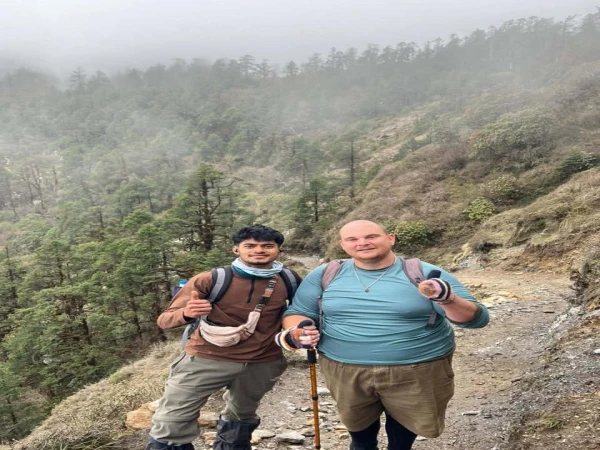
A few months later, I was in Nepal. Walking the same trail trekkers have walked for decades, sleeping in small tea houses with warm blankets and warmer smiles, eating plates of dal bhat that tasted better with every step higher. I didn’t spend a lot; I just spent what I had wisely.
That trip changed how I see travel. You don't need a huge budget to stand in front of the world's tallest mountain. You just need good planning, a little patience, and the will to take the first step.
So, if you are sitting where I once sat, unsure and a little scared, let me say this clearly. Abudget Everest Base Camp trek is not a dream. It is a plan waiting for you to start it. Keep reading, and in this blog, I will tell you everything you need to know for a budget EBC trek.
How Much Does the Everest Base Camp Trek Cost?
This question followed me everywhere before my trek. I asked other trekkers, guides, and read page after page online. Every answer was a little different. So, I did my own math, step by step. And here is what I found.
The Everest Base Camp trek cost is not one big number of cost, but it is a few smaller ones added together. Budget trekkers spend about USD 1,000 to 1,400. Trekkers with a guide and porter spend USD 1,400 to 2,500. And trekkers who want a Luxury Everest Base Camp Trek spend USD 3,000 or more.
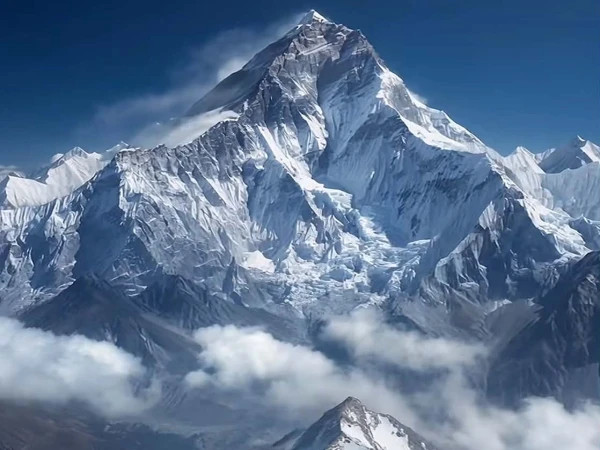
I chose the budget path, and I don't regret one rupee of it. The mountain doesn't check your wallet. The sunrise over Everest looks the same, no matter what you paid. So, don't let big numbers scare you. Look closer, and you'll see a price that fits your pocket too.
Everest Base Camp Trek Cost Breakdown
If you want to know where the cost goes, here I’ve broken it down one by one.
- Permits and Entry Fees: Everest requires two permits before it lets you in. One is the Sagarmatha National Park entry fee; the other is the Khumbu Pasang Lhamu Rural Municipality fee. Together, they cost close to USD 40 to 50.
- Kathmandu to Lukla Flight Cost:The flight from Kathmandu to Lukla and back from Lukla to Kathmandu is the most expensive single ticket on the trip. Prices shift often, so always check current fares before you book.
- Tea House Accommodation Prices: Tea houses are the heart of this trek. They have simple rooms with blankets. Rooms usually cost USD 5 to 15 a night.
- Food Costs on the Trail: Dal bhat became my best friend on this trek. Food here is simple, filling, and perfect for long walking days. Prices rise as you climb higher.
- Guide and Porter Costs: A guide keeps you safe, calm, and moving at the right pace. A guide usually costs USD 25 to 35 a day. A porter costs a little less and carries the heavy load off your back. This is the cost that I’ll never regret paying.
- Gear Cost: I didn't own a down jacket or snow boots before this trip. So I rented them in Kathmandu. Shops near Thamel have everything you need for buying or renting.
- Extra Costs: WiFi, Charging, Hot Showers. These all cost a few extra dollars the higher you go. I kept a small bag of cash just for these little comforts.
Independent Trek vs. Guided Trek vs. Package: Which Is Cheapest?
Before I left, I had one big question. Should I go alone, or with a guide? I asked other trekkers. I got different answers from everyone. So, I looked closer at all three ways to do this trek. Here is what I learned.
Trekking Independently in Everest Base Camp
Walking alone sounds cheap and free. No guide fee, no fixed plan, just you and the trail. But it’s not that simple. Going with a guide is best for your safety, especially above 5,000 meters.
Independent trekking in Nepal means you’ll have a lower cost on paper, you’ll carry your own bag, and you’ll book your own tea houses. It’ll be a hectic journey, since you are handling everything yourself.
Hiring a Local Guide or Porter
This is the path I chose, and I'd choose it again. A guide reads the mountain better than any app or map. He knows when to slow down. He knows the early signs of altitude sickness before you feel them yourself. A porter carries the heavy load, so your legs stay fresh for the climb.
There is so much you get with a guide and porter. Someone is always there who’s trained for emergencies, who has local knowledge of weather and trail changes. Your bag is lighter, and it's an easier walk. Yes, it costs more than walking alone. But it felt like the safest kind of freedom.
Booking a Trekking Package
A package bundles everything into one price. Flights, permits, guide, porter, tea houses, most meals, all planned before you even land in Kathmandu. I almost chose this option. It sounded easy, and yes, it is.
This option is great for first-time trekkers, people who are short on planning time, and anyone who wants zero guesswork.
So, which one is cheapest? Independent trekking still costs the least on paper. But a guided trek sits close behind, and it adds real safety to every step. I'll say this honestly. On a mountain like Everest, a little extra cost for a good guide is never money wasted.
How to Save Money on the Everest Base Camp Trek
I didn't have a big budget. So, I learned to be smart with every rupee. Small choices added up to big savings. Let me show you how.
Best Time to Trek for Lower Prices
Peak season looks beautiful in photos. It also costs more. Flights fill up fast, tea houses charge more, and everything feels rushed. I went during the shoulder season instead. Fewer crowds, calmer trails, and softer prices everywhere.
Months for a budget trek are late February to early March, early June, or late September. But these seasons are not best for first-time trekkers.
Save on Flights (Lukla vs. Ramechhap Options)
The Lukla flight hit my wallet the hardest. So, I looked for ways to avoid the extra cost during peak season. Sometimes flights shift between Kathmandu and Ramechhap, depending on traffic and weather.
A Ramechhap to Lukla flight can cost less, but adds a few hours of road travel first. Ask your agency which route is running before you book. A little flexibility can save real money.
Rent Gear Instead of Buying
I didn't own a down jacket before this trek. Kathmandu is full of small shops near Thamel, renting everything from boots to sleeping bags. Renting cost me a fraction of buying new. And I didn't carry useless gear home afterward.
Easy items to rent in Kathmandu are: Down jacket, Sleeping bag, Trekking poles, Microspikes for icy trails, etc.
Carry a Water Purification Method
Bottled water gets expensive fast, especially near base camp. I carried a simple filter bottle instead. It also meant fewer plastic bottles left behind on the trail. Good for my budget and good for the mountain too.
Join a Group to Share Costs
Trekking solo means paying full price for everything. A guide, a porter, and even a jeep ride. I joined a small group instead. We split the guide fee, shared transport, and even swapped stories around the dinner table each night.
A Group Joining Trek to Everest Base Camp lowers guide and porter costs per person, transport costs are cheaper, and you’ll get a good company on long walking days
Where You Should Never Cut Costs on Everest Base Camp Trek
I saved money everywhere I could. But on a few things, I never looked for a discount. Some costs aren't really costs; they're protection.
Travel Insurance with Helicopter Evacuation
I almost skipped this one. I thought, nothing will happen to me. But my guide suggested me to buy it, and I bought proper insurance before I left. One that covered high altitude and helicopter rescue. I never needed it. But I was glad I had it, every single day on the trail.
Proper Clothing and Footwear
Cheap gloves and thin socks seem like small savings. But on the mountain, they become big problems. My hands went numb once, early on a cold morning. That was enough to teach me a lesson.
Good boots keep your feet dry. A proper down jacket keeps your whole body warm when the sun drops behind the peaks. This is not the place to cut corners. Your comfort, and sometimes your safety, depends on it.
Acclimatization Days
I wanted to rush and complete my trek fast. The mountain was right there, and I was impatient.
My guide stopped me, glad he did. Looking back, they were some of the smartest days of the whole trek. Your body needs it, even if your legs don't feel tired. Skipping them to save one night's cost is how altitude sickness catches people off guard.
A Reliable Guide or Porter
A guide is not just someone who walks in front of you. Mine noticed things I never would have. A change in the weather, a traveler struggling a little too much, and the right pace to keep everyone safe.
A porter carried more than my bag. He carried the weight that would have slowed me down and tired me out too fast. Choosing the cheapest guide you can find isn't saving money. It's taking a risk with your trip, and sometimes with your life.
Save on gear, save on food, save on flights, if you can. But never save on the things that bring you home safely. That's not a budget tip; that's just common sense.
Final Thoughts: Is the Budget EBC Trek Worth It?
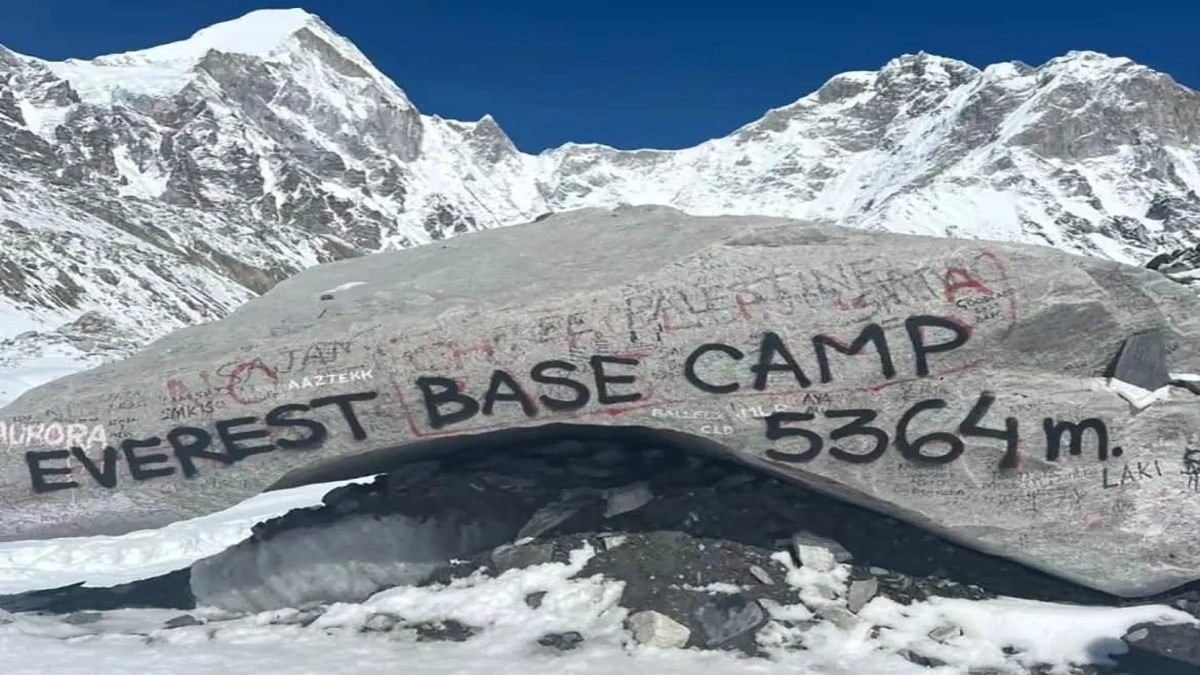
I still remember the moment I reached base camp. The cold wind, tired legs, and a view that made every rupee I spent feel small. I didn't have a big budget when I started this journey. I had a plan, a little patience, and a dream I refused to let go of.
Looking back, I'm glad I didn't wait for a "someday" with more money. The mountain doesn't ask how much you spent. It only asks if you showed up.
So, is the budget Everest Base Camp trek worth it? Yes, a thousand times, yes. You don't need luxury to feel small in front of something so big. You just need good shoes, a warm jacket, and the courage to take the first step.
If this trek has been sitting quietly in your heart, let this be your sign. Start planning, save what you need, and go see it for yourself. The mountain will be waiting. It will be the best trip of your life.