Nar Phu Valley & Tilicho Lake via Thorong La Pass

Quick Overview
Duration14 Days
Trip GradeModerate
CountryNepal
Maximum Altitude5,416 m
Group Size1-20
StartsPokhara
EndsPokhara
ActivitiesTrekking
Best TimeSpring and Autumn

Nar Phu Valley & Tilicho Lake Trek via Thorong La Pass 

Once, the Annapurna Circuit Trekmeant days of walking through pine forests, crossing suspension bridges, and slowly climbing into the Himalayas. But these days, jeeps and buses go to Manang, cutting out most of the walking part of the legendary trail. For a lot of trekkers, that has taken something away from the experience.

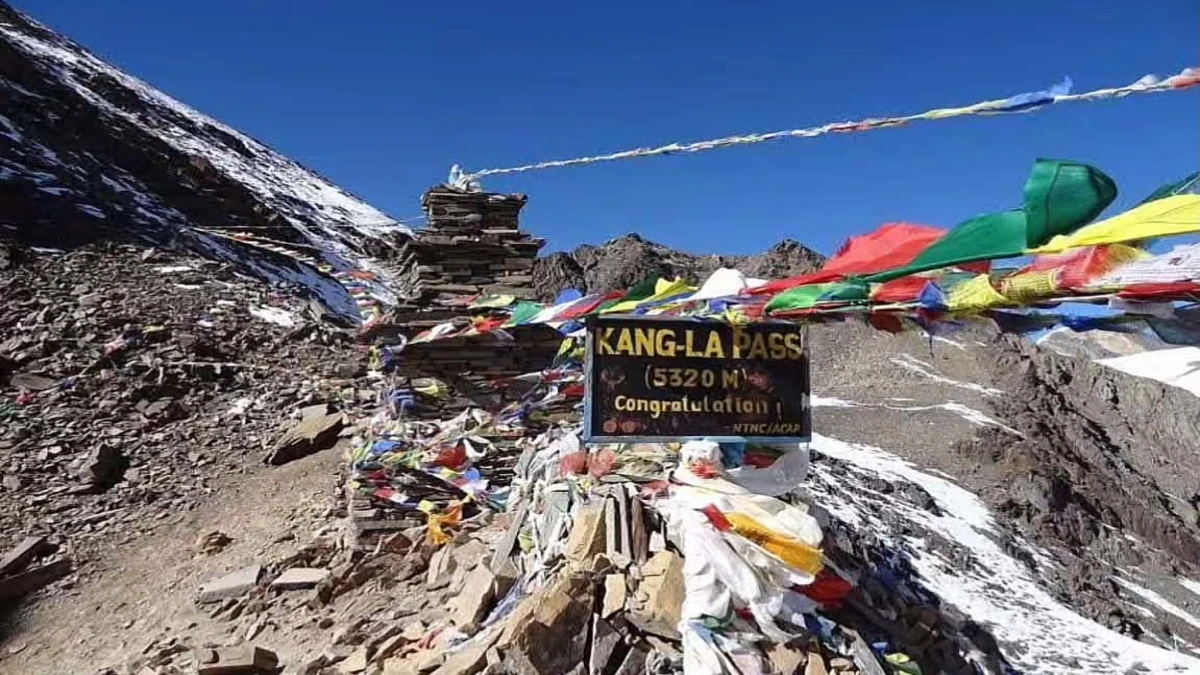
This Nar Phu Valley & Tilicho Lake Trek solves that problem. Instead of following the dusty road, we send you up into the Nar Phu Valley. It is a restricted and off-the-beaten-path corner of the Annapurna region that most trekkers never see. You'll walk past chortens, prayer flags, sleep in traditional villages, and cross the wild Kang La Pass (5,306m) before getting back to the classic Annapurna trail near Manang.

From there, this trek takes you to Tilicho Lake (4,919m), one of the highest lakes in the world. Then comes the climb over Thorong La Pass (5,416m). It is the highest point of the Annapurna Circuit and one of the most iconic mountain passes in the world, before descending into the sacred town of Muktinath.

In short, this Nar Phu Valley & Tilicho Lake Trek via Thorong La Pass is even more than what people loved about the original ACT. The remoteness, the culture, the sense of earning every step make this trek the best. If the idea of doing the Annapurna Circuit on a dusty road never appealed to you, the Nar Phu Valley Trek with Tilicho Lake and Thorong La Pass is the version you actually want to do.  

Why Trek Nar Phu Valley Instead of the Classic Annapurna Circuit Trek 

I still remember my first Annapurna Circuit trek. It felt wild, and every step felt earned. There were no roads, just the trails, rivers, and mountains.

But things have changed now. Jeeps go all the way to Manang today. The lower part of the classic Annapurna Circuit Trek isn't the same anymore. The walking is less, and there is more dust. 

That's whyNar Phu Valley Trekis the best option now. And honestly, once you do it, going back feels hard. Here's why you should trek to Nar Phu Valley instead of the Annapurna Circuit:

  • No roads reach Nar Phu Valley. You need to walk every single step.
  • It's a restricted area, so very few trekkers come here.
  • Villages like Nar and Phu still feel untouched by time.
  • You’ll get real silence, real mountains, and real culture.

After Nar Phu Valley, the trail joins back with the classic Annapurna route. You’ll still get to explore Tilicho Lake and Thorong La Pass. You get everything in this trek that people loved about the Annapurna Circuit Trek. 

So if you're planning the Annapurna Circuit Trek but want the "old version" of it, this is the trek you should do. This is why we recommend Nar Phu Valley & Tilicho Lake Trek via Thorong La Pass over the standard circuit.

Main Attractions of Nar Phu Valley & Tilicho Lake via Thorong La Pass 

This trek gives you a lot. Not just one big moment but many small ones too. Let us take you through what you'll actually see during the trek.

  • Nar Phu Valley: This is where the trek feels different. There are no roads or crowds. Just old trails and quiet villages.
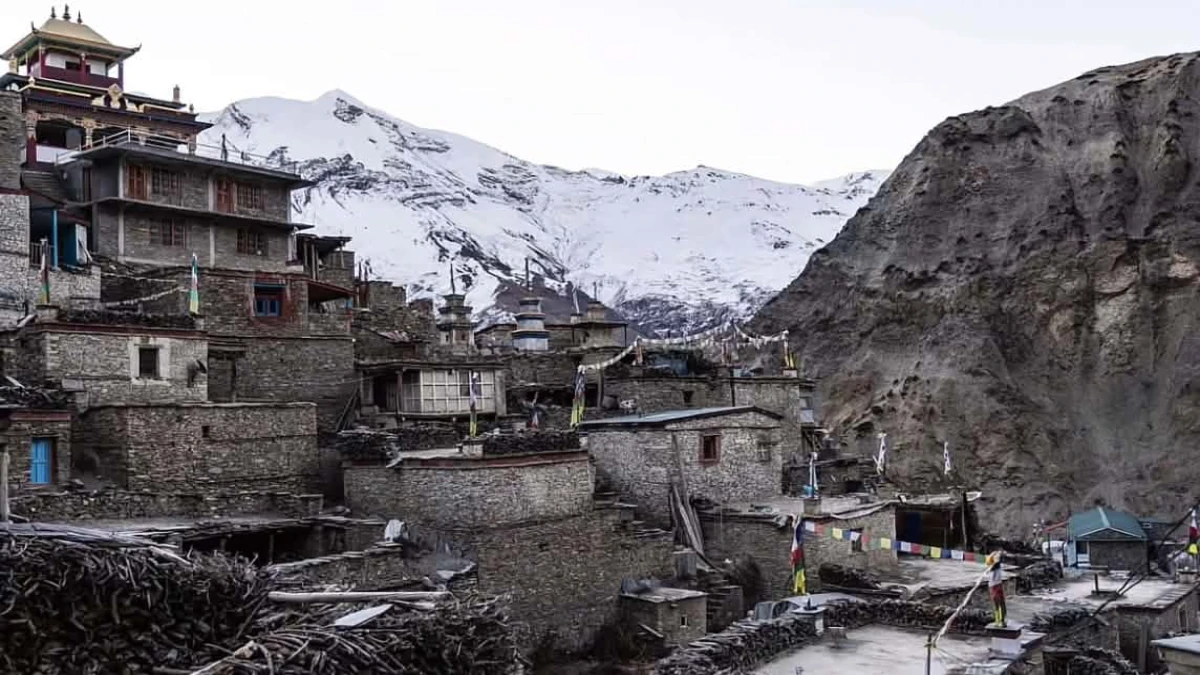
  • Phu Gaon: A village built into a cliff. It feels like you’re stepping into an old story. Houses are packed close, and prayer flags are everywhere.
  • Nar Village: You’ll see simple stone houses and friendly people. Life here moves slowly, in a good way.
  • Kang La Pass (5,306m): This pass connects Nar Phu Valley to the main Annapurna trail. It's high. It's hard. But the views make you forget the effort.
  • Manang Village: It’s a nice break after the high passes. You’ll get to see big mountain views, which is a good place to rest before Tilicho Lake.
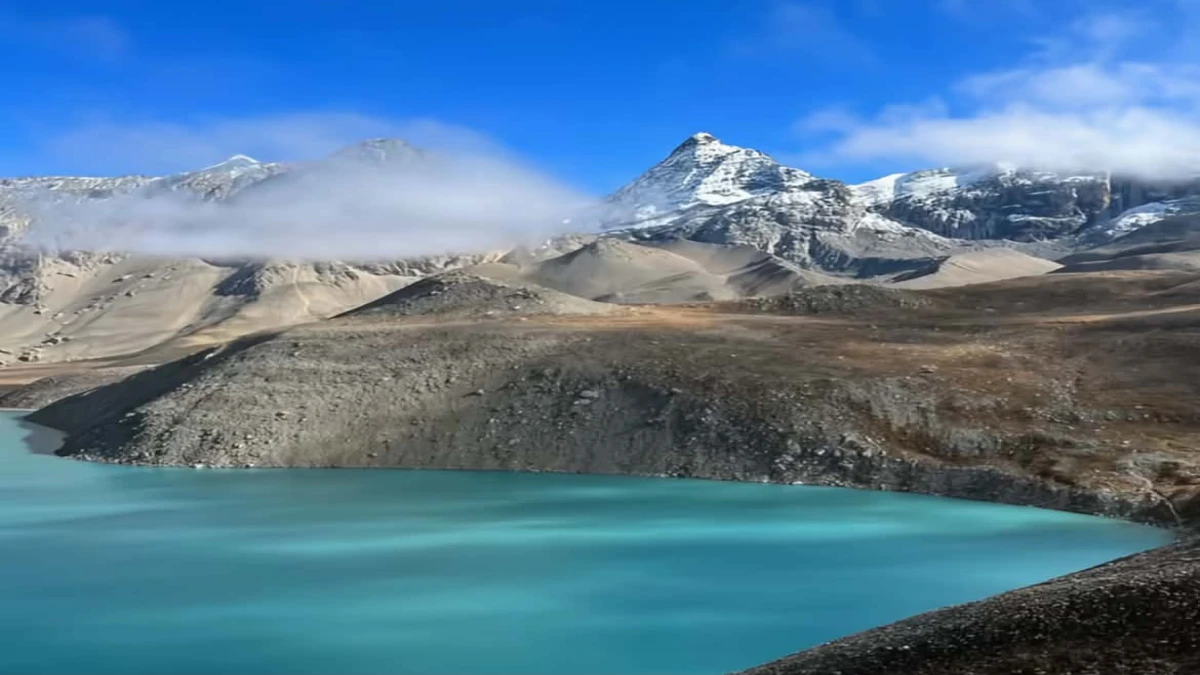
  • Tilicho Lake (4,919m): Tilicho Lake is one of the highest lakes in the world. When you stand there, you’ll go quiet because no words feel enough to describe the view.
  • Thorong La Pass (5,416m): This is the highest point of the trek. The hardest morning and also the best part of this trek.
  • Muktinath: A sacred place for both Hindus and Buddhists. It’s a calm way to end the high mountain part of the journey.

So this trek isn't just about Tilicho Lake or Thorong La Pass. It's about everything in between too. Every village, every pass, and every quiet moment on the trail. That's what makes Nar Phu Valley & Tilicho Lake Trek via Thorong La Pass special.

Life Inside Nar and Phu Village

Walking into Phu for the first time feels like time has stopped here. There are no roads, no shops on every corner, and no noise. Just stone houses, prayer flags, and people living the way their grandparents did. Here's what life looks like in Nar and Phu Village:

  • Homes are built close together, mostly from stone and wood.
  • Families raise yaks and grow barley and potatoes.
  • Old monasteries sit above the villages, watching over them.
  • Buddhism isn't just a religion here; it's part of daily life.
  • Kids play in the same lanes their parents once did.

There's no rush in these villages. Just simple life, high in the Himalayas. Locals are shy at first. But if you say hello, they smile back fast. Some may invite you for tea. You should say yes if they do because these small moments stay with you.

This is what makes Nar Phu Valley different from other treks. You're not just walking through mountains. You're walking through a way of life that hasn't changed much in centuries. And once you see it with your own eyes, you’ll understand why this place is worth protecting.

What Nobody Tells You About Crossing Two Passes Above 5,000m

Everyone talks about the views if they trek to Nar Phu Valley & Tilicho Lake via Thorong La Pass, but not many talk about how it actually feels. So let us be honest with you.

This trek crosses two big passes. Kang La Pass (5,306m) and Thorong La Pass (5,416m). Both are above 5,000m. Both are hard but not in the way you think. Here's what nobody really tells you:

  • The cold hits harder than you expect, even if you have good gear.
  • Your pace slows down a lot; every step takes more effort up here.
  • Breathing gets harder, not scary, but slower and heavier.
  • Mornings start early. Some start in complete darkness.
  • Your mind gets more tired before your legs do.

Kang La Pass comes first. It's quiet, remote, and honestly, a bit lonely in a good way. Not many trekkers cross it. Thorong La Pass is different. It's bigger and busier but still tough, no matter how many people are around you.

On both passes, slow and steady wins. Rushing doesn't help at this altitude, but patience does. And when you finally reach the top, something happens. The tiredness fades for a moment; you just stand there quietly, looking at mountains on every side. That's the part nobody can fully explain to you. You just have to feel it yourself.
Nar Phu Valley & Tilicho Lake via Thorong La Pass Itinerary

Trip PlanExpand all
  • Duration: 8-9 hours. 

Embark on a scenic drive from Pokhara to Koto, where your adventure in the Nar Phu Valley and Tilicho Lake begins. Enjoy the changing landscapes and immerse yourself in the beauty of the Nepalese countryside as you head towards the starting point of your trek. 

Meals: Lunch and DinnerAccommodation: Tea House
  • Duration: 6-7 hours. 

Start your trekking journey by setting off from Koto towards Meta. Trek through diverse terrain, including forests, rivers, and rocky paths, as you ascend to Meta. Enjoy the tranquility of the mountain surroundings and the stunning views along the way.

Meals: Breakfast, Lunch, and DinnerAccommodation: Tea House
  • Duration: 6-7 hours. 

Continue your trek from Meta to the remote village of Phu Gaon. Traverse high mountain passes and rugged landscapes, soaking in the unique culture and traditions of the region. Explore the ancient village and interact with the friendly locals. 

Meals: Breakfast, Lunch, and DinnerAccommodation: Tea House

Take a day to acclimatize to the high altitude and explore the hidden treasures of Phu Gaon. Visit monasteries, stroll through the village, and witness the traditional way of life in this remote Himalayan settlement. 

Meals: Breakfast, Lunch, and DinnerAccommodation: Tea House
  • Duration: 6-7 hours. 

Embark on a challenging trek from Phu Gaon to Nar, passing through rugged terrain and crossing scenic landscapes. Arrive at Nar village, where you can witness the unique cultural heritage of the region and interact with the hospitable locals.

Meals: Breakfast, Lunch, and DinnerAccommodation: Tea House
  • Duration: 7-9 hours. 

Prepare for a demanding day as you trek from Nar to Nawal via the high mountain pass of Kang-La Pass. Challenge yourself with a steep ascent to the pass, offering panoramic views of the Himalayas. Descend to Nawal, a charming village nestled amidst the mountains. 

Meals: Breakfast, Lunch, and DinnerAccommodation: Tea House
  • Duration: 4-5 hours. 

Embark on a scenic trek to Manang, a picturesque village known for its unique culture and stunning mountain views. Enjoy a leisurely walk through the Himalayan landscape, soaking in the region's tranquility. 

Meals: Breakfast, Lunch, and DinnerAccommodation: Tea House
  • Duration: 4-5 hours

After breakfast in Manang, begin your trek towards Siri Kharka. The trail gradually climbs above the village, offering beautiful views of the Annapurna range and the surrounding mountains.

You will follow a narrow mountain trail with some uphill and downhill sections. Along the way, enjoy views of the dry landscapes, rocky hillsides, and the beautiful valleys of the Annapurna region.

As you gain altitude, the landscape becomes more rugged and open. After several hours of walking, you will reach Siri Kharka, which is a small settlement surrounded by impressive mountain scenery. Spend the evening resting and enjoying the peaceful mountain environment.

Meals: Breakfast, Lunch, and DinnerAccommodation: Tea House
  • Duration: 4-5 hours

Today, you will continue your journey towards Tilicho Base Camp. After breakfast, leave Siri Kharka and follow the trail through a rugged mountain landscape.

The trail is relatively gentle in some sections, but you will cross narrow paths, steep slopes, and landslide-prone areas. Take extra care while walking through these sections, as loose rocks and falling stones can make the trail challenging.

Along the way, you will enjoy impressive views of Tilicho Peak and the surrounding Himalayan mountains. The dramatic rock formations and barren landscapes make this part of the trek particularly memorable.

After hours of walking, you will reach Tilicho Base Camp at 4,150m. Check into your teahouse, have some rest, and prepare for the next day's hike to the beautiful Tilicho Lake.

Meals: Breakfast, Lunch, and DinnerAccommodation: Tea House
  • Duration: 7-8 hours. 

Embark on a challenging hike to the mesmerizing Tilicho Lake, one of the highest lakes in the world. Enjoy the surreal beauty of the turquoise lake surrounded by towering peaks before returning to the base camp and continuing your trek to Shree Kharka.

Meals: Breakfast, Lunch, and DinnerAccommodation: Tea House
  • Duration: 5-6 hours 

After breakfast, leave Siri Kharka and continue your trek towards Ledar. Today's trail takes you through beautiful alpine landscapes, with impressive views of the Annapurna range and surrounding snow-covered peaks.

You will follow a mountain trail with gradual ascents and descents, passing through Yak Kharka along the way. This small settlement is a popular resting point for trekkers heading towards Thorong La Pass.

As you continue climbing, the vegetation becomes thinner, and the landscape turns more rugged. After several hours of walking, you will reach Ledar, a quiet mountain settlement above Yak Kharka.

Spend the rest of the day resting and preparing for the higher elevations ahead. Overnight stay at a local teahouse in Ledar.

Meals: Breakfast, Lunch, and DinnerAccommodation: Tea House
  • Duration: 3-4 hours 

After breakfast, leave Ledar and continue your trek towards Thorong Phedi. Today's walk is relatively short, but the increasing altitude makes it important to maintain a slow and steady pace.

The trail gradually climbs along the Jarsang Khola valley, crossing a suspension bridge before continuing along narrow mountain paths. You will pass rocky slopes and open landscapes with beautiful views of the surrounding Himalayan peaks.

Some sections of the trail cross landslide-prone areas, so follow your guide's instructions and walk carefully. As you get closer to Thorong Phedi, the landscape becomes more rugged and dramatic.

After around 3-4 hours of walking, you will reach Thorong Phedi, located at the foot of Thorong La Pass. Spend the rest of the day resting, enjoying a warm meal, and preparing your equipment for the challenging pass crossing the following day.

Meals: Breakfast, Lunch, and DinnerAccommodation: Tea House
  • Duration: 7-9 hours. 

Prepare for an early start as you tackle the challenging ascent to Thorong La Pass(5420m), the highest point of the trek. Enjoy breathtaking views from the pass before descending to Muktinath, a sacred pilgrimage site known for its temples and cultural significance. Overnight at Muktinath.

Meals: Breakfast, Lunch, and DinnerAccommodation: Tea House
  • Duration: 8-9 hours. 

By Comfortable Jeep. Conclude your epic trekking adventure with a scenic drive from Muktinath to Pokhara, a picturesque lakeside city known for its stunning views of the Annapurna range. Relax and unwind as you reflect on the incredible journey through the Nar Phu Valley and Tilicho Lake, cherishing the memories of the Himalayan landscapes and cultural encounters.

Meals: Breakfast and Lunch
Couldn't find what you're after?Reach out to our travel experts.
Customize Trip

Cost Details

Includes

Transportation

  • Private vehicle from Pokhara to Koto on Day 1
  • Comfortable jeep from Muktinath to Pokhara on Day 12

Accommodation

  • Teahouse accommodation throughout the trek, on twin sharing

Meals

  • Three meals a day (breakfast, lunch, and dinner) during the trek
  • Tea or coffee with your meals

Permits and Fees

  • Restricted Area Permit (RAP) for Nar Phu Valley
  • Annapurna Conservation Area Permit (ACAP)
  • TIMS card
  • All government taxes and our service charge

Guide and Porter

  • Licensed, experienced trekking guide for the whole trek
  • Porter service, with one porter for every two trekkers (up to 30kg total)
  • Salary, food, lodging, and insurance for your guide and porter

Safety and Support

  • Basic first aid kit carried by your guide
  • Emergency support and coordination from our team

Excludes

Travel and Visa

  • Flights or transport to Pokhara and back to Kathmandu
  • Nepal entry visa fee

Hotels and Meals in the City

  • Hotel and meals in Pokhara before and after the trek

Insurance

  • Travel and medical insurance, including emergency helicopter evacuation (this is a must for this trek)

Personal Items

  • Personal trekking gear, such as a sleeping bag, down jacket, and trekking poles
  • Bottled water, soft drinks, alcohol, and snacks
  • Hot showers, battery charging, and Wi-Fi in teahouses

Extra Costs

  • Extra costs from landslides, road blocks, or bad weather delays
  • Tips for your guide and porter
  • Anything not listed under “Cost Includes”

Dates & Availability

Select Departure Dates
Nov 2026
Dec 2026
Jan 2027
Feb 2027
Mar 2027
Apr 2027
May 2027
Jun 2027
Jul 2027
Aug 2027
Sep 2027
Oct 2027
Nov 2027
Dec 2027
Departure Date
Status
Price
Departure Date
Starts: 21 Nov, 2026Ends: 04 Dec, 2026
Status
Guaranteed
Price
US$890US$1199
Save US$309
Departure Date
Starts: 22 Nov, 2026Ends: 05 Dec, 2026
Status
Guaranteed
Price
US$890US$1199
Save US$309
Departure Date
Starts: 24 Nov, 2026Ends: 07 Dec, 2026
Status
Guaranteed
Price
US$890US$1199
Save US$309
Departure Date
Starts: 26 Nov, 2026Ends: 09 Dec, 2026
Status
Guaranteed
Price
US$890US$1199
Save US$309
Departure Date
Starts: 28 Nov, 2026Ends: 11 Dec, 2026
Status
Guaranteed
Price
US$890US$1199
Save US$309

Essential Information

How Difficult Is Nar Phu Valley & Tilicho Lake Trek via Thorong La Pass? (Fitness & Altitude Prep)

The Nar Phu Valley via Thorong La Pass isn't an easy trek. And it’s not extremely hard either. But you should know what you're signing up for. Here's the real picture of how this trek feels:

  • You'll walk 6 to 9 hours a day and some days even more.
  • Trails go up and down a lot; it’s not just flat walking.
  • You'll cross two passes above 5,000m (Kang La Pass and Thorong La Pass).
  • Nights get cold, especially in Phu and near the passes.
  • Altitude affects everyone differently, no matter how fit you are.

So, how fit do you need to be? You don't need to be an athlete, but you do need decent fitness. If you can walk 5-6 hours comfortably, you're on the right track. So, start preparing a few weeks before. Walking, light hiking, and stairs help a lot. Even just building leg strength and stamina makes a real difference up there in the mountains.

Altitude is the bigger factor here. This is why our itinerary includes acclimatization days. Don't skip them and don't rush ahead of the schedule. Here are a few simple rules that help a lot at altitude:

  • Walk slower than you think you need to.
  • Drink more water than usual.
  • Sleep as low as possible; climb high during the day.
  • Tell your guide immediately if you feel unwell.

This trek rewards patience more than speed. Trekkers who go slow, listen to their body, and follow the acclimatization plan usually do just fine, even without prior high-altitude experience. So no, you don't need to be super fit. You just need to respect the mountain.

Food and Teahouses Along the Nar Phu Valley & Tilicho Lake Trek

Food on this trek is simple. But trust me, it hits different after a long day of walking. Let me break down what to expect.

In the lower villages like Koto, Meta, and  Manang. Teahouses here feel more comfortable. Rooms are good, and menus are bigger. You’ll get options like dal bhat, noodles, momo, and even pizza in some places.

Nar and Phu Valley are where things get basic. There are fewer choices, and meals are simple but still enough to keep you going. Here's what you'll mostly eat:

  • Dal bhat (rice, lentils, vegetables) mostly
  • You’ll also get other options like Noodle soups, pasta, and thukpa
  • Tibetan bread and eggs for breakfast
  • Hot tea, garlic soup, and ginger lemon honey.

Rooms in teahouses are simple too. You’ll get a bed, a blanket, sometimes a shared bathroom. Don't expect luxury here; just expect warmth and hospitality instead. One thing we always tell trekkers: eat dal bhat as much as you can. It's filling, it's local, and honestly, you'll need the energy for the passes ahead.

Higher up, especially near Thorong Phedi, food gets more basic and a bit pricier. That's normal because everything is carried up by porters and mules, so prices naturally go up with altitude. 

Once you reach Muktinath, things actually improve again. Since it's connected by road and sees a lot of pilgrim traffic, you'll find better lodges, more food options, and a bit more comfort compared to the high passes you just crossed.

Packing List for Nar Phu Valley & Tilicho Lake Trek

Packing for this trek is a little different from a normal Annapurna Circuit Trek. Let us explain why. You'll face cold nights in Phu and Nar Villages. You'll cross two high passes. So your packing list needs to match that. Here's what actually matters:

Clothing

  • Warm down jacket 
  • Fleece or wool layers for daytime
  • Thermal base layers, top and bottom
  • Waterproof jacket and pants
  • Warm hat, gloves, and buff or scarf
  • Trekking pants, quick-dry, not jeans

Footwear

  • Broken-in trekking boots
  • Warm socks, a few extra pairs
  • Comfortable shoes or sandals for evenings at teahouses

Sleeping

  • A good four-season sleeping bag
  • A sleeping bag liner adds extra warmth

Health and altitude

  • Diamox, if approved by your doctor
  • Basic first aid kit
  • Water purification tablets or a filter
  • Sunscreen and lip balm; the sun is strong at altitude

Other essentials

  • Headlamp, for early morning starts before Thorong La
  • Trekking poles
  • Power bank, charging isn't always easy in Phu and Nar
  • Cash in Nepali rupees because there are no ATMs once you leave Besisahar or Chame

One tip from experience: pack light, but pack warm. You'll thank yourself the first cold night in Phu.

Permits Required for Nar Phu Valley Trek

Nar Phu Valley is a restricted area. That means you can't just walk in on your own. You need permits, and you need a licensed guide too. Here's what you'll need.

  • Restricted Area Permit (RAP): This is the main permit. Without it, you can't enter Nar or Phu at all.
  • Annapurna Conservation Area Permit (ACAP): This trek passes through the Annapurna Conservation Area, so this permit is required too. This permit is valid for the whole trek, no matter how many days
  • TIMS Card: Since this trek continues into the main Annapurna Circuit trail, a TIMS card is needed as well.

A few things worth knowing:

  • A licensed guide is mandatory. Trekking solo without a guide is not allowed here.
  • You can't apply for these permits yourself. Only a registered trekking agency can.
  • Permits take a few working days to process, so don't leave it for the last moment.

Honestly, this part sounds more complicated than it is. Once you book with us, we’ll handle everything. Passport copy, photos, permit fees, all of it. You just need to show up and trek. That's really all you need to know about permits here.

Best Time to Trek Nar Phu Valley and Tilicho Lake

Timing matters a lot on this trek. There are two good seasons here, autumn and spring. Both work well, just in different ways.

  • Autumn (September to November): This is the most popular season, and for good reason. You’ll get clear skies most days, stable weather for crossing Thorong La Pass, and the best mountain views of the whole year. But the trails are busier, especially near Manang and Muktinath. 
  • Spring (March to May): This season is quieter, but just as beautiful. You’ll see rhododendrons bloom at lower elevations. Days are warmer and nights are cold. You’ll see fewer crowds than in autumn. 

What about winter and monsoon?

Winter (December to February) is possible, but tough. Kang La Pass and Thorong La Pass can get heavy snow, sometimes even blocking the route completely. Monsoon (June to August) isn't ideal either. Rain, leeches at lower elevations, and clouds blocking mountain views most days.

So if you're picking the best time, go with autumn or spring. Autumn if you want the clearest views. Spring if you prefer quieter trails and don't mind a little haze. Either way, book a few months ahead. Permits and good guides get booked fast during peak months.

Why Travel With Himalayan Partner?

You've read about the trek. Now let's talk about who's taking you there. We've been on these trails ourselves. Nar Phu Valley, Tilicho Lake, Thorong La Pass- we know them personally, not just from a brochure. Here's why trekkers choose us:

  • Local, experienced guides: Our guides know these mountains, this culture, and how to keep you safe on the passes.
  • Transparent pricing: There are no hidden costs, no last-minute add-ons, what you're quoted is what you pay. 
  • Permits handled by us: You don’t have to take any stress of paperwork because we take care of everything.
  • Safety-first approach: Daily health checks at altitude, and guides trained to recognize and respond to altitude sickness early. 
  • Honest planning: We give you realistic itineraries with proper acclimatization.
  • Support when needed: From your first message to the final descent into Pokhara, we're with you the whole way.

We're not the biggest trekking company out there. But we treat every trek like it's personal, because for us, it is. If you're trusting someone to take you into Nar Phu Valley and over Thorong La Pass, trust people who've actually walked that path themselves. And that's us. That's Himalayan Partner.

Nar Phu Valley & Tilicho Lake via Thorong La Pass FAQs

It's not an easy trek, but it's not extreme either. You'll walk 6-9 hours some days. You'll cross two passes above 5,000m. If you're reasonably fit and patient with altitude, you'll be fine.

Yes, Nar Phu Valley is a restricted area. You'll need a Restricted Area Permit, an ACAP permit, and a TIMS card. We’ll handle all of this for you.

No, hiring a licensed guide is a legal requirement for Nar Phu Valley, since it is officially classified as a restricted area. 

Autumn (September to November) and spring (March to May) are the best seasons, offering stable weather and clear mountain views.

 Yes, this trek is a great alternative because it avoids the road section near Manang while still including the two most iconic parts of the classic route, Tilicho Lake and Thorong La Pass.

 It gets very cold, especially in Phu village and near the high passes, where nighttime temperatures can drop well below freezing.

 Mild symptoms like headaches or fatigue are common at high altitude, so it's important to inform your guide immediately and never push through severe symptoms.

You can expect simple meals such as dal bhat, noodles, and soups, with more basic options on the Nar Phu trek

Prior experience is not required, but good physical fitness and a slow, steady pace matter more than previous trekking history.

This itinerary takes 12 days in total, including the acclimatization days needed for a safe and comfortable trek.